
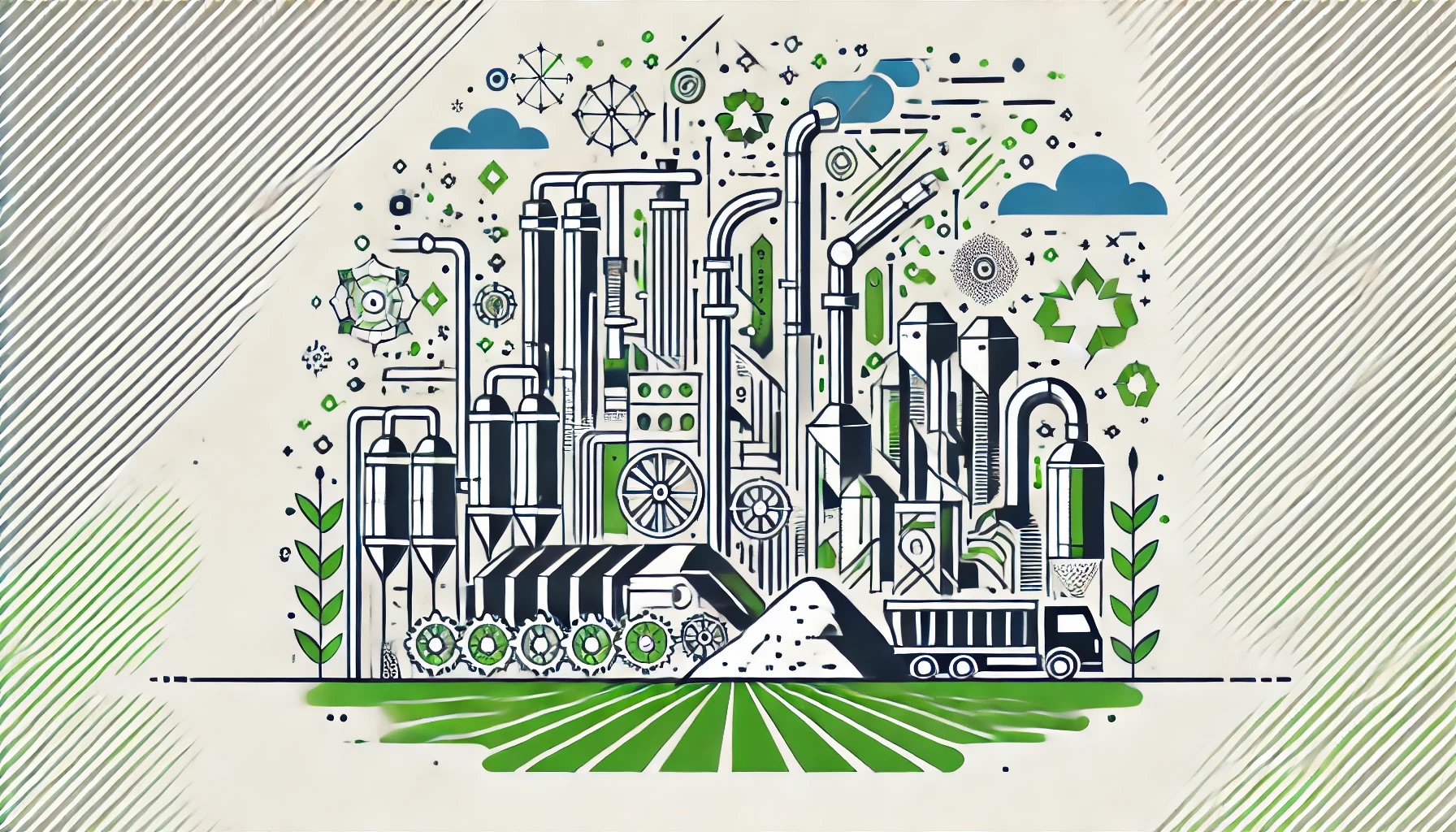

Biochar, a carbon-rich material produced through pyrolysisPyrolysis is a thermochemical process that converts waste biomass into bio-char, bio-oil, and pyro-gas. It offers significant advantages in waste valorization, turning low-value materials into economically valuable resources. Its versatility allows for tailored products based on operational conditions, presenting itself as a cost-effective and efficient More, has gained attention for its potential in environmental pollution remediation. A recent review in Science of The Total Environment focuses on biochar derived from digestate, the residue left after anaerobic digestion of organic waste. This review highlights digestate’s abundant carbon and nutrient content, making it an ideal biochar feedstockFeedstock refers to the raw organic material used to produce biochar. This can include a wide range of materials, such as wood chips, agricultural residues, and animal manure. More.
The authors examine key factors affecting biochar production from digestate, including pyrolysis temperature, time, and heating rates. They also explore various modification methods, such as metal enhancements, which increase biochar’s adsorption capacity and catalytic properties. Biochar’s ability to improve anaerobic digestion by boosting electron transport is also discussed.
Applications of digestate-derived biochar extend across environmental remediation, such as heavy metal removal, enhanced composting, and the elimination of antibiotics and phosphorus recovery. Economically, it presents a cost-effective solution due to the vast availability of digestate, particularly in countries with large anaerobic digestion infrastructures, like China.
While the review identifies biochar’s promising future in pollution control, challenges remain. More research is needed to optimize production processes and address concerns related to the presence of heavy metals and pathogens in digestate. This comprehensive study opens new avenues for the sustainable utilization of digestate while addressing critical environmental challenges.


Leave a Reply