
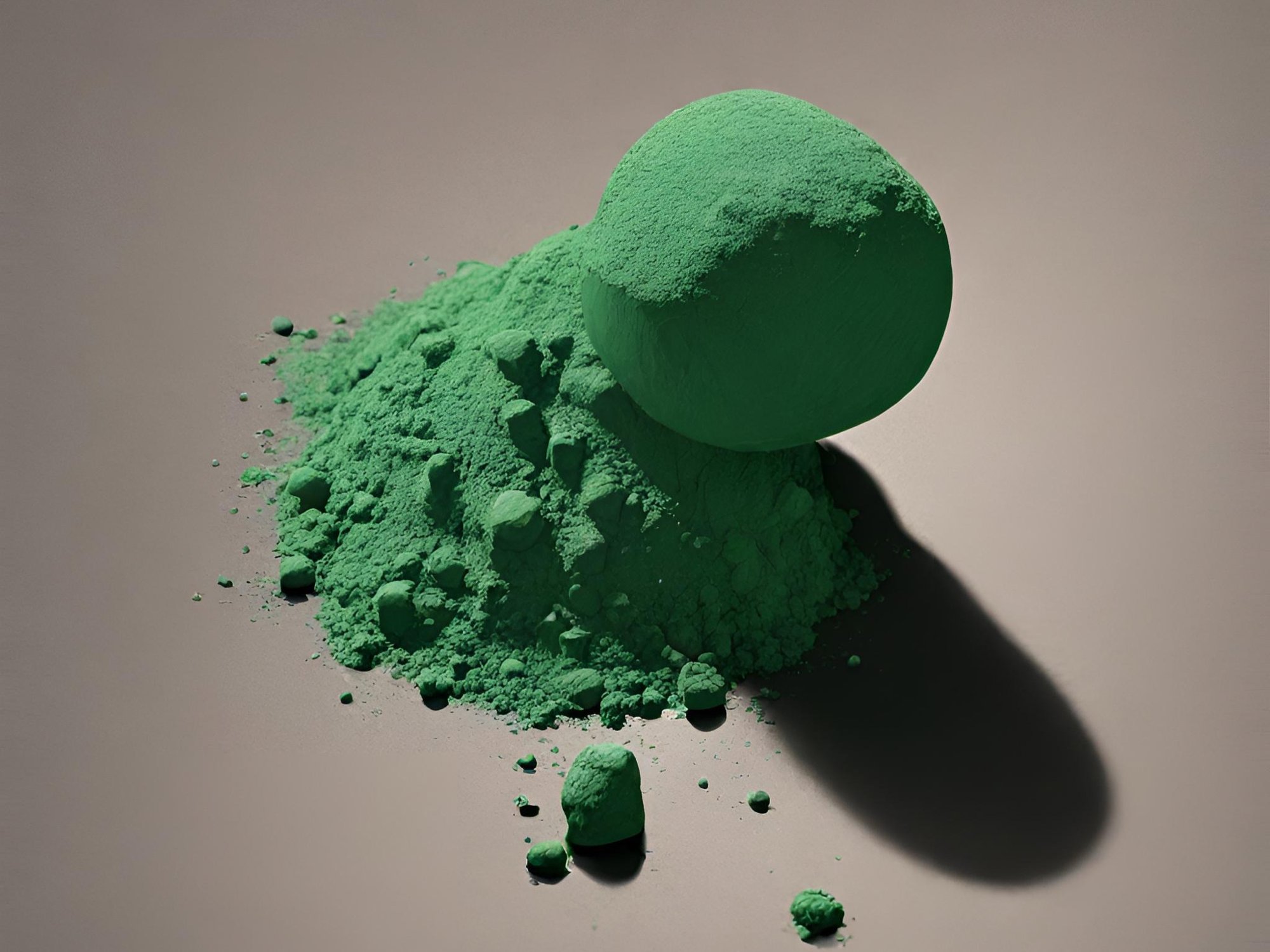

In the realm of environmental science, an intriguing discovery unfolds as researchers delve into the potential of biochar in reducing Cr(VI), a harmful substance. This study explores the liquid-phase reduction of Cr(VI) in the biochar-Cr(VI) system and unravels the key players in this eco-friendly process.
The findings shed light on the pivotal role of biochar in promoting the generation of ·O2- (superoxide radicals) during Cr(VI) reduction. The study reveals that the phenolic hydroxyl group within biochar emerges as the primary electron donor for ·O2-. Notably, direct reduction of Cr(VI) by persistent free radicals in biochar proves negligible, challenging prior assumptions.
Quantitative analyses showcase a 1.5 times higher reduction of Cr(VI) in untreated conditions compared to anaerobic conditions, emphasizing the significance of oxygen in this process. The study identifies ·O2- as a key contributor to Cr(VI) reduction, with quenching experiments demonstrating its substantial impact.
Furthermore, the correlation between phenolic groups and ·O2- formation underscores the critical role of phenolic groups as primary electron donors. This research not only advances our understanding of Cr(VI) reduction by biochar but also provides theoretical support for the eco-friendly conversion of Cr(VI), offering potential solutions to environmental challenges.



Leave a Reply