

Ferreira, O.E., Silva, H.D.M., Alves, A.B. et al.BiocharBiochar is a carbon-rich material created from biomass decomposition in low-oxygen conditions. It has important applications in environmental remediation, soil improvement, agriculture, carbon sequestration, energy storage, and sustainable materials, promoting efficiency and reducing waste in various contexts while addressing climate change challenges. More enhances soil interactions and the initial development of sugarcane. Sci Rep14, 27610 (2024). https://doi.org/10.1038/s41598-024-78706-7
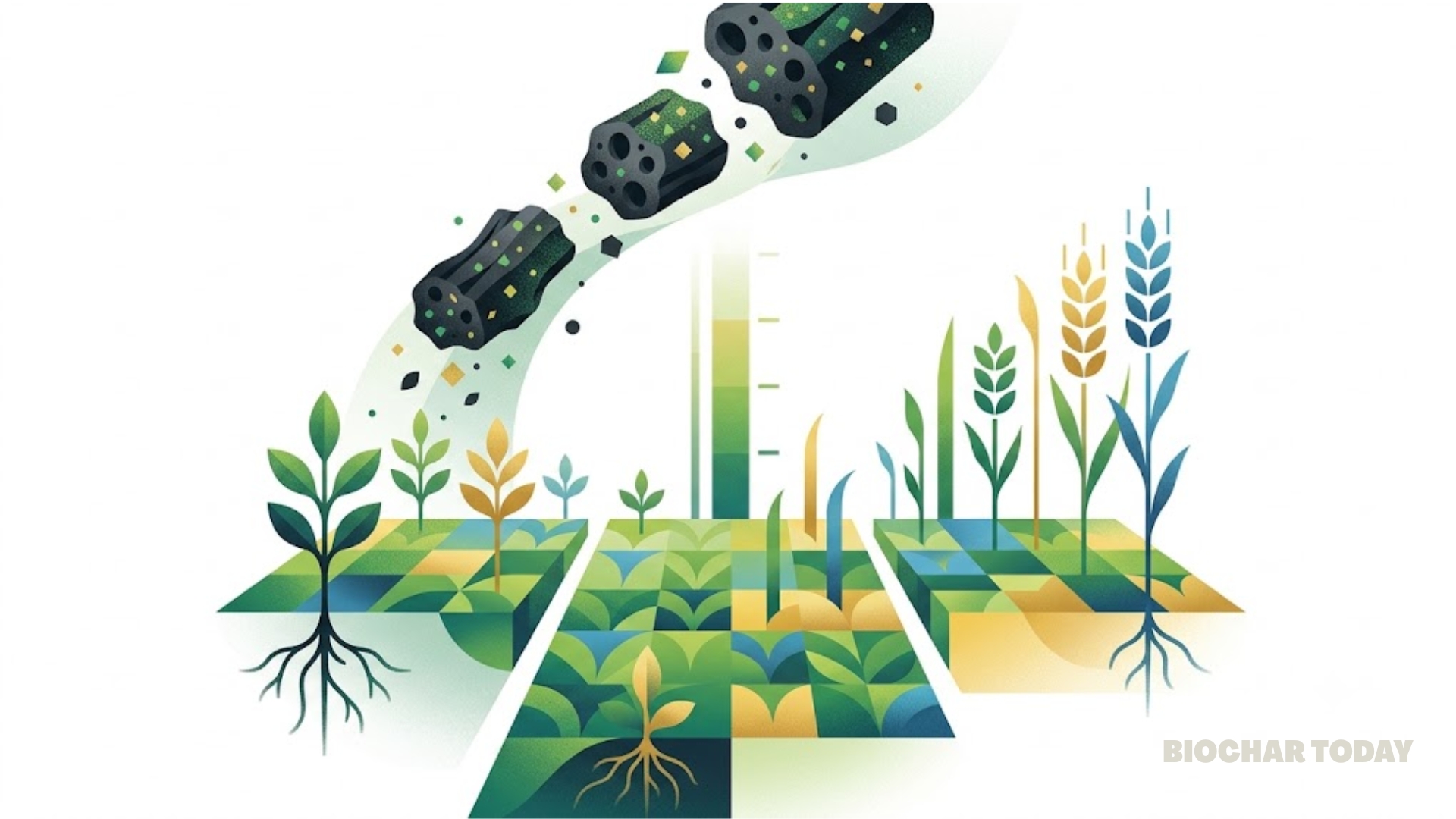
“Biochar Enhances Soil Interactions and the Initial Development of Sugarcane” by Osania E. Ferreira and colleagues investigated the effects of biochar derived from sugarcane straw on soil quality and early sugarcane development. The research evaluated biochar application at varying doses (1%, 3%, and 5% w/w) over 60 days in controlled experiments.
Key findings revealed that biochar significantly improved soil water retention, particularly at higher doses, without altering soil pHpH is a measure of how acidic or alkaline a substance is. A pH of 7 is neutral, while lower pH values indicate acidity and higher values indicate alkalinity. Biochars are normally alkaline and can influence soil pH, often increasing it, which can be beneficial More. It also enhanced root development, with the highest biochar dose increasing fresh root mass by 728%. These effects were attributed to biochar’s porous structure, which retains water and nutrients efficiently, and its ability to improve soil aeration.
The study highlighted biochar’s role in boosting soil microbiota, with increased microbial biomassBiomass is a complex biological organic or non-organic solid product derived from living or recently living organism and available naturally. Various types of wastes such as animal manure, waste paper, sludge and many industrial wastes are also treated as biomass because like natural biomass these More and dehydrogenase enzyme activity, indicators of enhanced nutrient cycling and organic matter decomposition. Fungi and bacteria thrived within biochar’s porous structure, creating favorable conditions for plant growth.
Using metabolomic analysis, the researchers identified significant changes in sugarcane leaf composition. Biochar-treated plants exhibited higher levels of essential amino acids such as isoleucine and valine, as well as reduced levels of sugars like glucose. These shifts indicate improved energy metabolism and protein synthesis, which are critical for early plant growth.
While the results are promising, Ferreira and colleagues emphasize the need for long-term studies to explore biochar’s effects throughout sugarcane’s growth cycle and its interactions with other agricultural inputs. This research positions biochar as a sustainable tool for enhancing sugarcane productivity and soil health.




Leave a Reply