
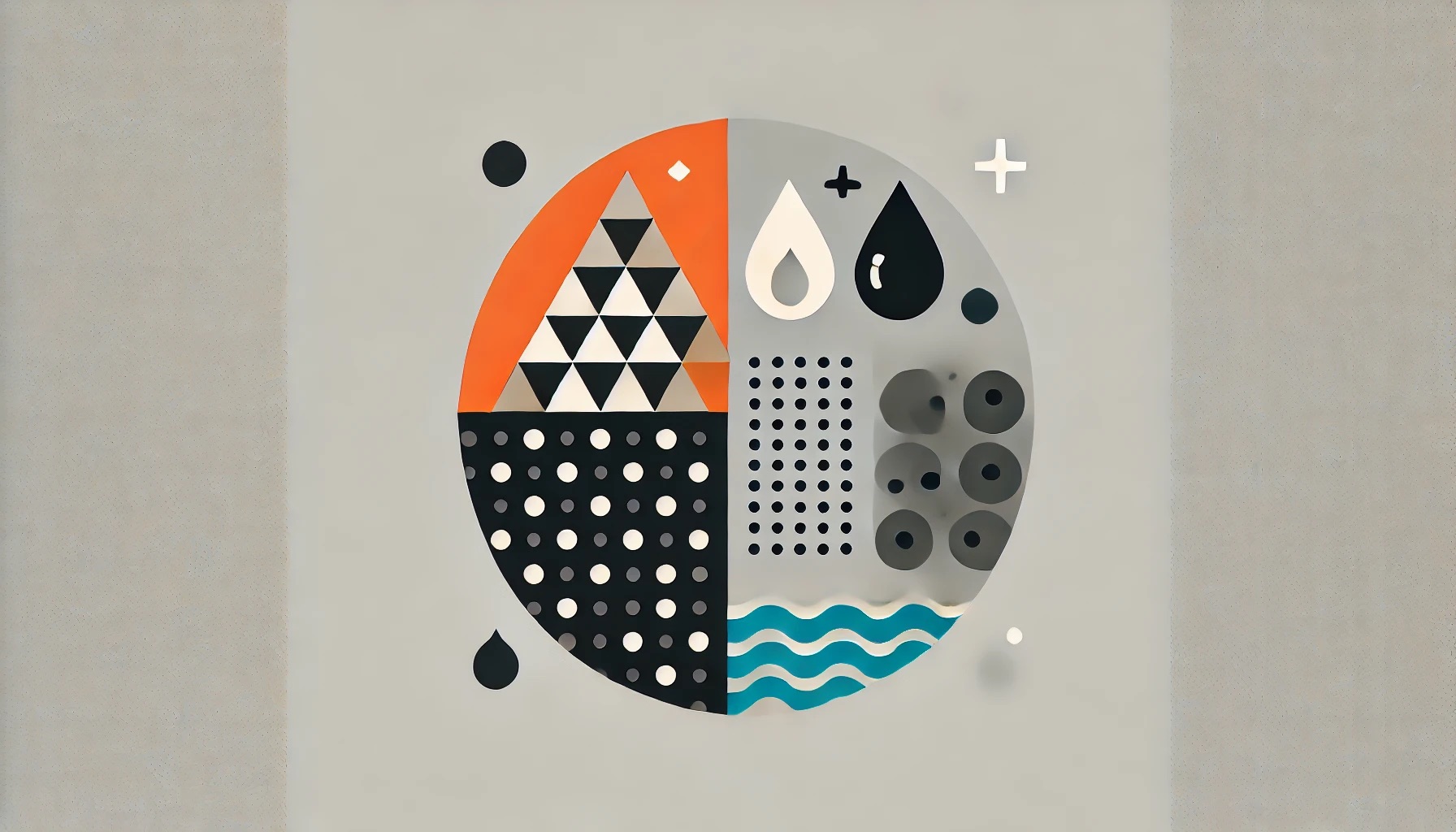

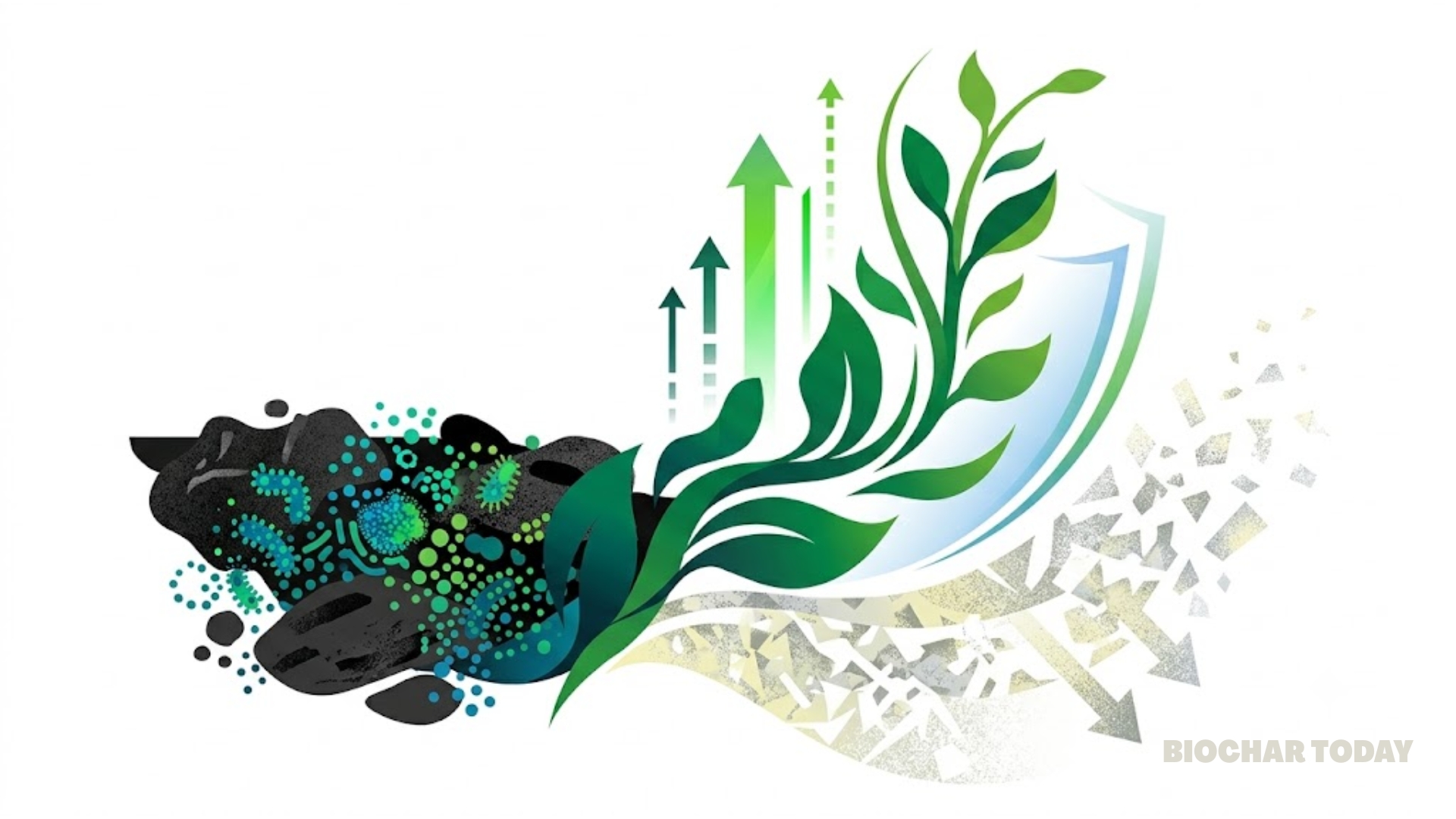
Biochar, a carbon-rich material derived from biomassBiomass is a complex biological organic or non-organic solid product derived from living or recently living organism and available naturally. Various types of wastes such as animal manure, waste paper, sludge and many industrial wastes are also treated as biomass because like natural biomass these More pyrolysisPyrolysis is a thermochemical process that converts waste biomass into bio-char, bio-oil, and pyro-gas. It offers significant advantages in waste valorization, turning low-value materials into economically valuable resources. Its versatility allows for tailored products based on operational conditions, presenting itself as a cost-effective and efficient More, is emerging as a versatile solution for environmental challenges, particularly water and wastewater treatment. This material is produced by thermochemical decomposition of organic matter at moderate to low temperatures under oxygen-limited conditions. Various forms of biomass, including agricultural residues, are transformed into biochar, offering a sustainable way to manage waste while creating a functional product.
Biochar’s key properties include a high surface area, pore volume, and functional groups, making it effective for adsorbing organic pollutants, heavy metals, and nutrients from contaminated water. Recent studies highlight its potential in removing contaminants such as phenols, pesticides, and antibiotics through mechanisms like hydrogen bonding, electrostatic interactions, and ion exchange.
Different preparation methods, including pyrolysis, gasificationGasification is a high-temperature, thermochemical process that converts carbon-based materials into a gaseous fuel called syngas and solid by-products. It takes place in an oxygen-deficient environment at temperatures typically above 750°C. Unlike combustion, which fully burns material to produce heat and carbon dioxide (CO2), gasification More, and hydrothermal carbonization, influence biochar’s characteristics. For example, high-temperature pyrolysis enhances surface area and carbon content, improving adsorption capabilities. Additionally, biochar can be tailored through functionalization techniques to target specific pollutants.
Despite its promise, challenges remain. Commercial-scale applications require advancements in production methods, cost optimization, and regulatory guidelines to ensure environmental safety. Research is also focused on integrating biochar into industrial systems and enhancing its reuse through innovative modification techniques.
As a low-cost and sustainable adsorbent, biochar holds great potential for improving water quality, promoting circular economy practices, and addressing global environmental issues. However, further efforts are needed to scale up its use effectively.



Leave a Reply