
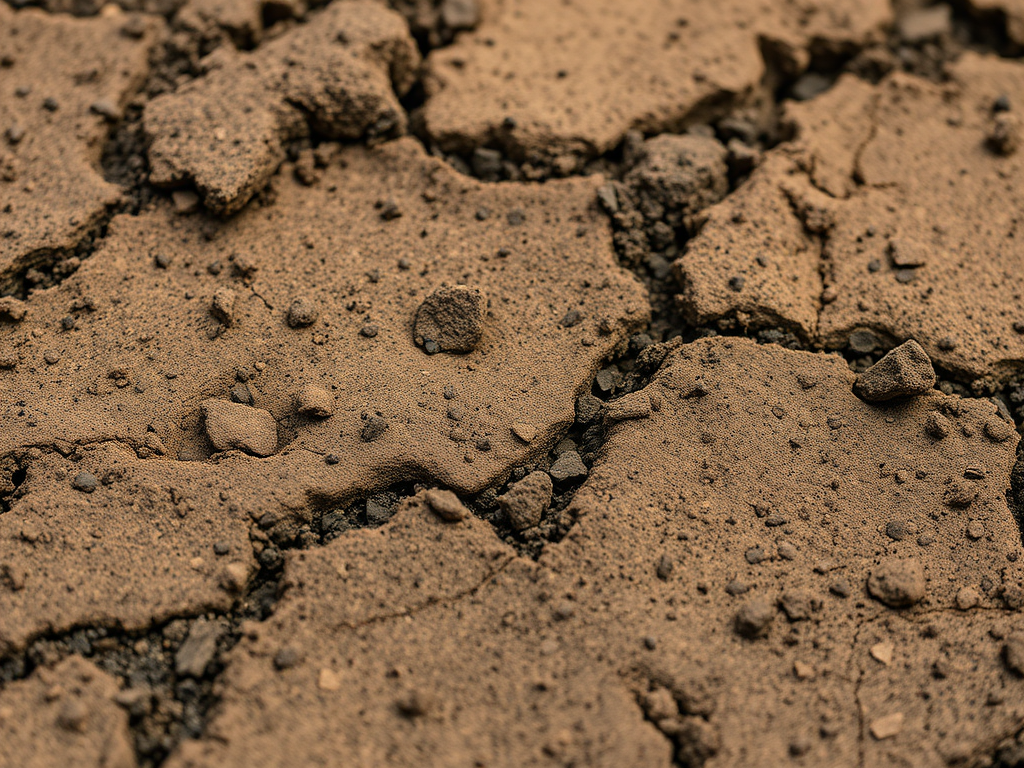
A recent study published in the European Journal of Soil Science by Vincenzo Bagarello and colleagues from the University of Palermo investigates how rill erosion and biocharBiochar is a carbon-rich material created from biomass decomposition in low-oxygen conditions. It has important applications in environmental remediation, soil improvement, agriculture, carbon sequestration, energy storage, and sustainable materials, promoting efficiency and reducing waste in various contexts while addressing climate change challenges. More amendments impact the hydraulic properties of clay-loam soil. This research provides key insights into soil conservation strategies that can mitigate erosion and enhance water management.
Rill erosion—caused by concentrated water flow—leads to substantial soil loss and alters soil structure. The researchers assessed changes in pore sizes and hydraulic conductivity of soils subjected to rill formation and amended with varying biochar concentrations (0%, 3%, and 5%). They employed advanced laboratory techniques like nuclear magnetic resonance (NMR) relaxometry and field trials.
The results reveal that while rill erosion reduces the volume of mid-sized soil pores (30–300 μm), biochar addition effectively mitigates these changes. A 5% biochar amendment showed the greatest improvement in soil water retention and transmission properties, particularly in unsaturated conditions. However, the biochar impact plateaued at higher concentrations, suggesting that moderate application rates are optimal. Interestingly, the study also highlights that biochar enhances soil’s structural connectivity by increasing mesopore and micropore formation while balancing the functional connectivity of water transport. These findings underline the dual role of biochar in improving soil stability and water management.
This research bridges knowledge gaps in the field, paving the way for biochar to be recognized as an effective tool for sustainable soil conservation in erosion-prone regions.
Bagarello, V., Conte, P., Ferro, V., Iovino, M., Librici, C., Nicosia, A., … & Zanna, F. (2025). How rilling and biochar addition affect hydraulic properties of a clay-loam soil. European Journal of Soil Science, 76, e70034. https://doi.org/10.1111/ejss.70034





Leave a Reply