
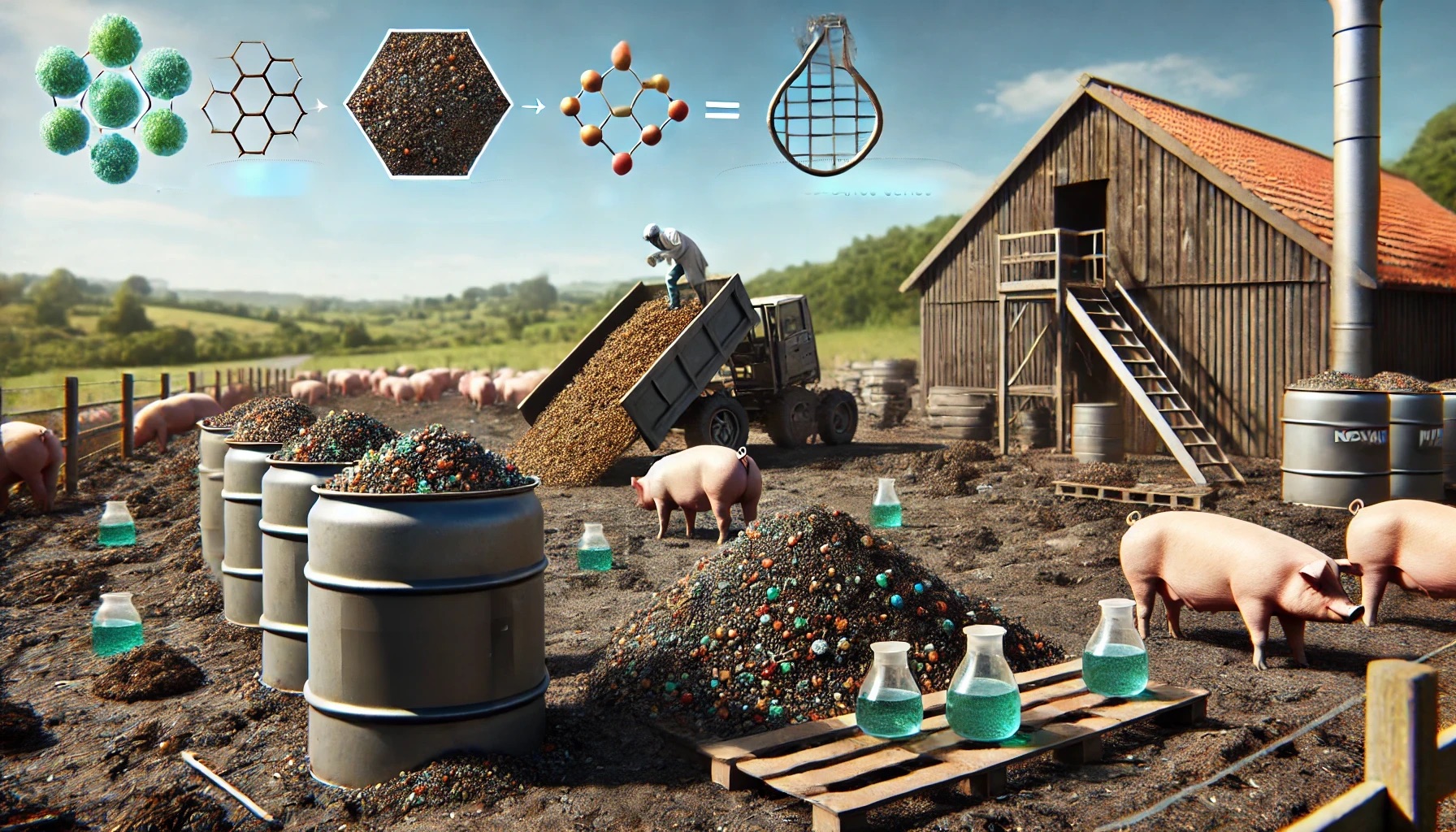

A recent study explored the use of nano zero-valent iron loaded on biochar (BC-nZVI) in composting swine manure to reduce antibiotic resistance genes (ARGs), metal resistance genes (MRGs), and mobile genetic elements (MGEs). BC-nZVI effectively diminished the abundance of these resistance genes and elements by modifying the preferences of MGEs to carry ARGs and MRGs. It also disrupted cell structures, hindering the electron transfer between cells, and weakened the association between these genes and host bacteria.
Functional gene analysis revealed that BC-nZVI down-regulated genes responsible for the transmission and metabolism of ARGs and MRGs, including those related to secretion systems, transporter systems, and multidrug efflux pumps. Additionally, BC-nZVI decreased the production of genes related to flagella and pili, which are crucial for gene transfer, thereby reducing the spread of resistance genes in the environment.
Redundancy analysis highlighted that changes in the microbial community induced by BC-nZVI played a crucial role in reducing the abundance of ARGs, MRGs, and MGEs. This study confirms BC-nZVI’s potential as a promising strategy to mitigate the dissemination of antibiotic and metal resistance in the environment through composting, providing a valuable tool for managing manure and reducing environmental pollution.





Leave a Reply