
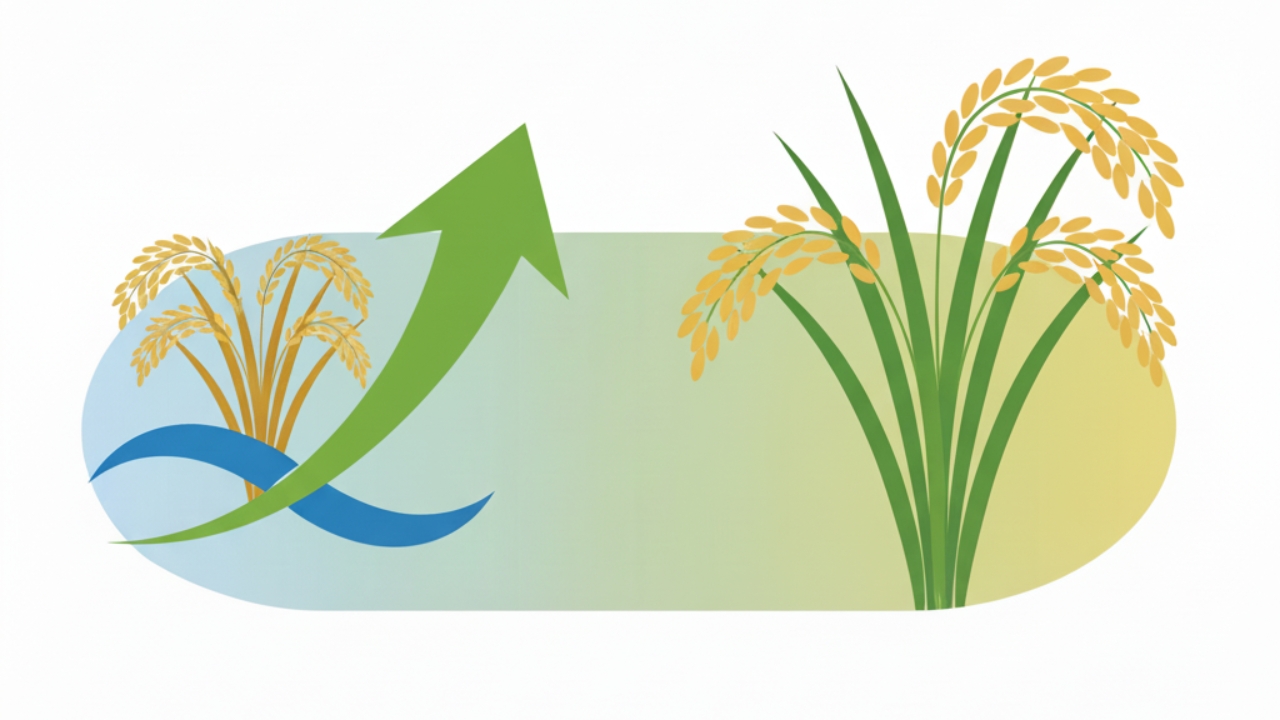
Smallholder farmers in Nasarawa State, Nigeria, are reporting significant transformations in their livelihoods thanks to agricultural interventions from the Sasakawa Africa Association (SAA).
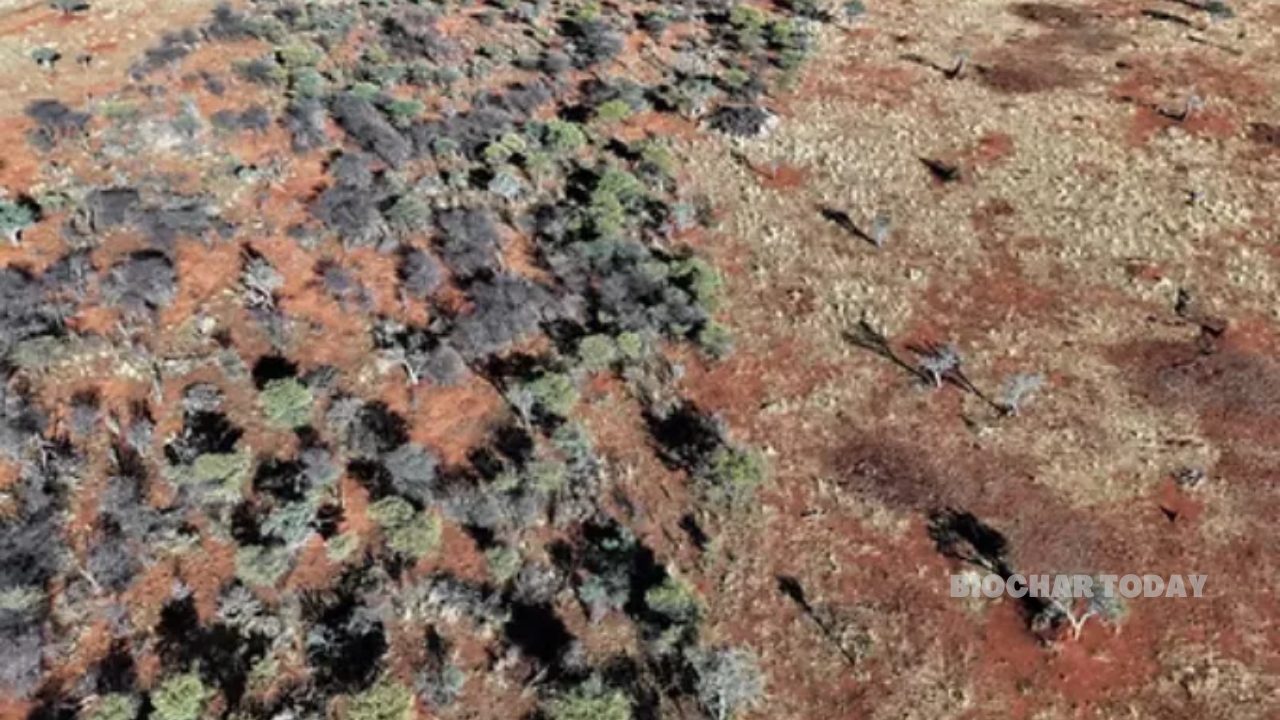
The SAA’s training programs introduce improved technologies and best agronomic practices, specifically for rice producers. Cooperative members learn essential skills like preparing nursery beds and transplanting rice in rows with specified spacing, moving away from the traditional method of seed spraying. A key element of the training involves producing soil amendments, including Bokashi from rice husk and BiocharBiochar is a carbon-rich material created from biomass decomposition in low-oxygen conditions. It has important applications in environmental remediation, soil improvement, agriculture, carbon sequestration, energy storage, and sustainable materials, promoting efficiency and reducing waste in various contexts while addressing climate change challenges. More from vegetable and kitchen wastes.
The results of these interventions are striking. Mr. Yusuf Ekom, Chairman of the Salama Oklo Cooperative Society, highlights that he now harvests approximately 30 bags of rice from a plot of land that previously only yielded about 10 bags—a threefold increase in production. Dr. Godwin Atser, Country Director of SAA Nigeria, corroborates this success, stating that the support has increased rice yield from 1.8 tonnes to 4.8 tonnes per hectare, representing an increase of over 100% in productivity across the project area.
Beyond the farm, SAA’s support extends to processing and marketing. The organization established rice aggregation and processing centers equipped with modern machinery like polishers and color sorters. The center in Assakio produces almost a metric ton of rice daily, employing 67 laborers and generating about N12 million for the cooperative within one year. Additionally, farmers like Mrs. Mary Daniel, Chairperson of Muyi Noma Women Cooperative, report selling their surplus Bokashi and Biochar, with the group accumulating over N300,000 in their account. SAA is also promoting the cultivation of nutritious crops like pro-vitamin A maize and vegetables to improve family diets.
The association, supported by The Nippon Foundation of Japan, emphasizes that its goal is to promote productivity, resilience, and livelihoods through climate-smart and high-yielding crop varieties. SAA appeals to the Nasarawa State Government to sustain and increase its counterpart funding to replicate this successful model across the state, ensuring continued food security and youth inclusion in the agricultural sector.



Leave a Reply