
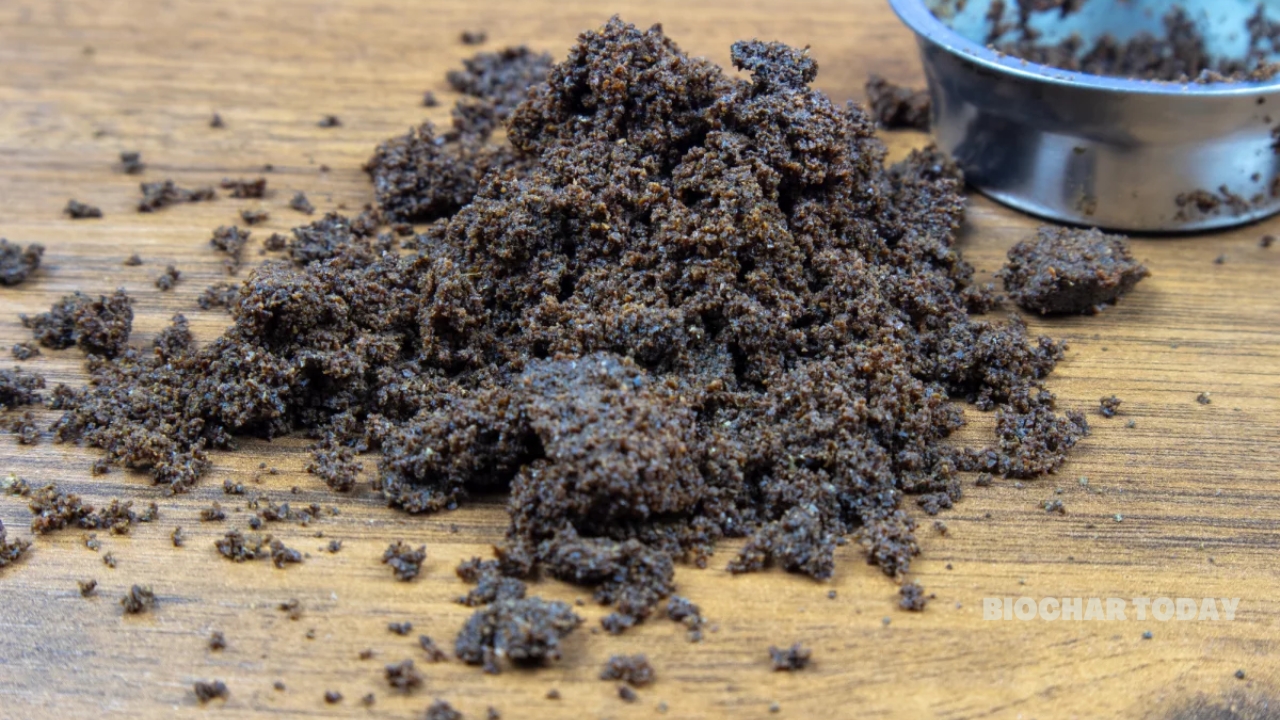
Researchers at RMIT University in Australia have developed a method to integrate biochar derived from spent coffee grounds into construction materials to improve thermal insulation. By converting organic waste into a stable, carbon-rich additive, the team has successfully produced a composite material that demonstrates significantly lower thermal conductivity compared to standard cement-based mixtures. This research expands the utility of coffee-derived biocharBiochar is a carbon-rich material created from biomass decomposition in low-oxygen conditions. It has important applications in environmental remediation, soil improvement, agriculture, carbon sequestration, energy storage, and sustainable materials, promoting efficiency and reducing waste in various contexts while addressing climate change challenges. More beyond structural reinforcement, positioning it as a functional component in the development of energy-efficient building envelopes. The study highlights the potential for circular economy applications within the Australian construction sector.
The primary challenge addressed by the RMIT team is the high energy consumption associated with heating and cooling modern buildings, coupled with the environmental burden of organic waste. Traditional cement and concrete are effective structural materials but are poor thermal insulators, leading to increased reliance on HVAC systems. Simultaneously, millions of tons of spent coffee grounds are sent to landfills annually, where they decompose and release methane, a potent greenhouse gas. Finding a way to sequester this carbon while simultaneously improving the building’s thermal resistance requires a precise balance between material density, structural integrity, and thermal porosityPorosity of biochar is a key factor in its effectiveness as a soil amendment and its ability to retain water and nutrients. Biochar’s porosity is influenced by feedstock type and pyrolysis temperature, and it plays a crucial role in microbial activity and overall soil health. Biochar More.
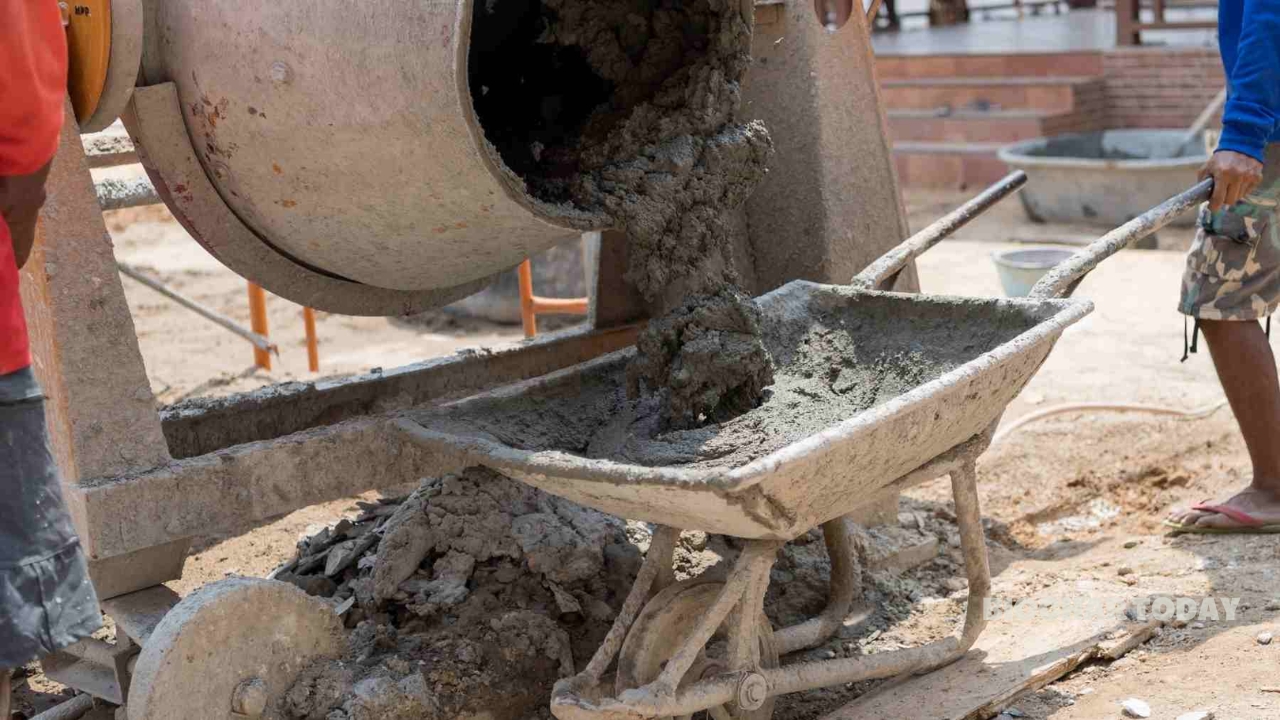
The solution involves a specialized low-energy pyrolysisPyrolysis is a thermochemical process that converts waste biomass into bio-char, bio-oil, and pyro-gas. It offers significant advantages in waste valorization, turning low-value materials into economically valuable resources. Its versatility allows for tailored products based on operational conditions, presenting itself as a cost-effective and efficient More process to transform spent coffee grounds into biochar, which is then incorporated into a cementitious composite. The RMIT researchers found that the porous micro-structure of the coffee biochar acts as a thermal barrier, trapping air and reducing the rate of heat transfer through the material. By replacing a portion of the fine aggregate in the mix with this biochar, the team achieved a reduction in thermal conductivity of up to 20% compared to conventional concrete. This technical approach effectively locks carbon into the built environment for the duration of the structure’s lifespan while enhancing the functional performance of the material itself.
The outcomes of the RMIT University study suggest a viable pathway for the construction industry to reduce its carbon footprint and operational energy demands. The integration of coffee biochar resulted in a more lightweight and insulating material without compromising the necessary performance standards for specific building applications. For the biochar industry, this provides a high-volume market outlet for specialized char products derived from urban waste streams. Furthermore, the successful testing of these composites paves the way for future regulatory approvals and the potential commercialization of “coffee-insulation” products in Australia and international markets.


Leave a Reply