
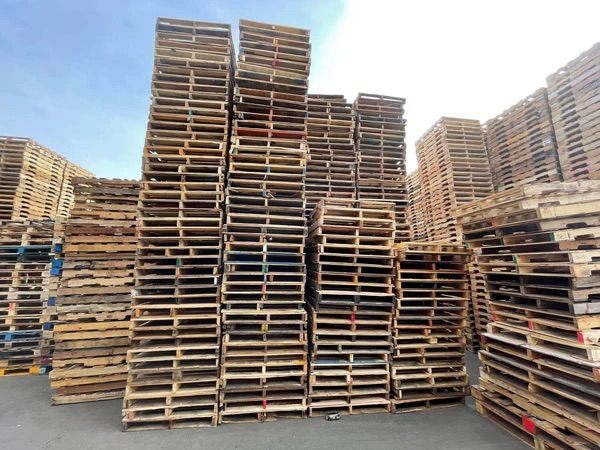
The Pallet Foundation has been awarded a Wood Innovation Grant from the USDA Forest Service, a move set to invigorate markets for wood residuals generated by pallet manufacturers. This funding is part of a larger $80 million national investment aimed at expanding timber markets, promoting forest health, and bolstering rural economies.
This initiative will focus on identifying and developing sustainable markets for the significant volume of wood residuals produced by the pallet industry. The project will involve exploring both existing and emerging uses for these materials, conducting feasibility studies, and ultimately delivering a strategic roadmap for scalable market development.
“Wood residuals are viable byproducts from pallet manufacturing and recycling,” states Dr. Brad Gething, Executive Director of the Pallet Foundation. He emphasizes that the grant will facilitate the collection of data, insights, and stakeholder input to help the industry find new outlets for residuals, especially as traditional channels have diminished.
A key component of this project is a comprehensive survey of NWPCA members. This survey aims to gather first-hand information on the challenges associated with current residual handling, the costs involved, and untapped market opportunities. It will also seek member input on policy and regulatory support needed to foster more favorable conditions for market expansion.
Kathleen Dietrich, Chair of the Pallet Foundation, highlights that the effort extends beyond mere circularity. “We’re working to identify real opportunities for market growth, understand the needs of NWPCA members, and help the industry better navigate the policies and regulations that can enable broader use of wood residuals.” The active participation of NWPCA members will be crucial in ensuring the project’s outcomes are practical and impactful for the wood packaging industry.
With approximately 50% of U.S. hardwood production going into pallets, and 95% of these pallets being recycled, there’s an abundant supply of clean, dry wood waste. While about half of these residuals currently go to mulch, a substantial amount remains available for other applications, including energy production and biocharBiochar is a carbon-rich material created from biomass decomposition in low-oxygen conditions. It has important applications in environmental remediation, soil improvement, agriculture, carbon sequestration, energy storage, and sustainable materials, promoting efficiency and reducing waste in various contexts while addressing climate change challenges. More. Companies like LoCoal and Bella Biochar are already leveraging pallet scraps for these purposes. The research from this grant will provide manufacturers with valuable tools for informed decision-making regarding residual handling and market engagement, aligning with broader sustainability objectives.



Leave a Reply