
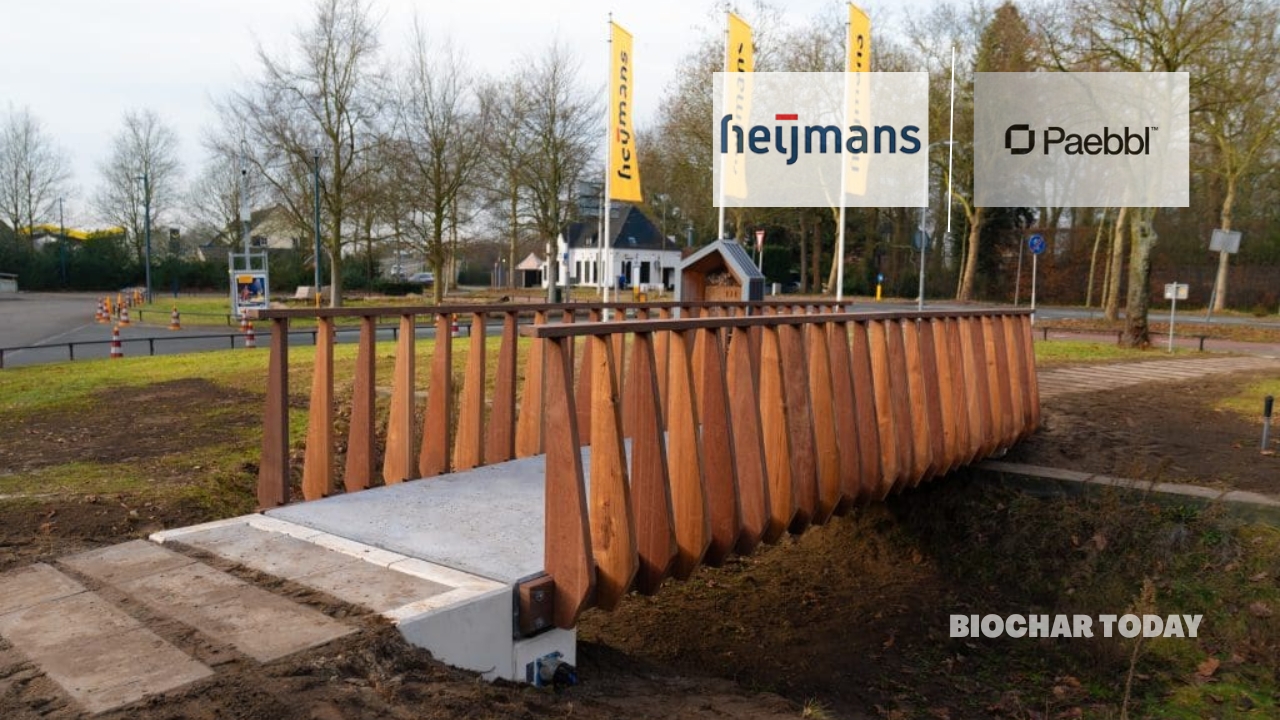
Dutch construction firm Heijmans and climate technology company Paebbl have revealed a significant milestone in structural engineering with the unveiling of a 7-meter pedestrian bridge in the Netherlands. This structure represents the world’s first successful application of fully CO₂-neutral concrete in a load-bearing capacity. The project utilizes an innovative concrete mix consisting of biocharBiochar is a carbon-rich material created from biomass decomposition in low-oxygen conditions. It has important applications in environmental remediation, soil improvement, agriculture, carbon sequestration, energy storage, and sustainable materials, promoting efficiency and reducing waste in various contexts while addressing climate change challenges. More, recycled concrete aggregates, and Paebbl’s specialized carbon-storing mineral fillers. By incorporating these materials, the partners have demonstrated that the built environment can transition from a major emission source into a functional carbon sink.
The primary challenge addressed by this collaboration is the substantial environmental impact of the global cement industry, which currently accounts for approximately 8% of total worldwide carbon emissions. Historically, achieving carbon neutrality in structural construction was considered nearly impossible due to the high energy intensity and chemical CO₂ release inherent in traditional cement production. Furthermore, innovations in sustainable materials often face skepticism regarding their ability to meet the rigorous strength and safety requirements necessary for infrastructure like bridges.
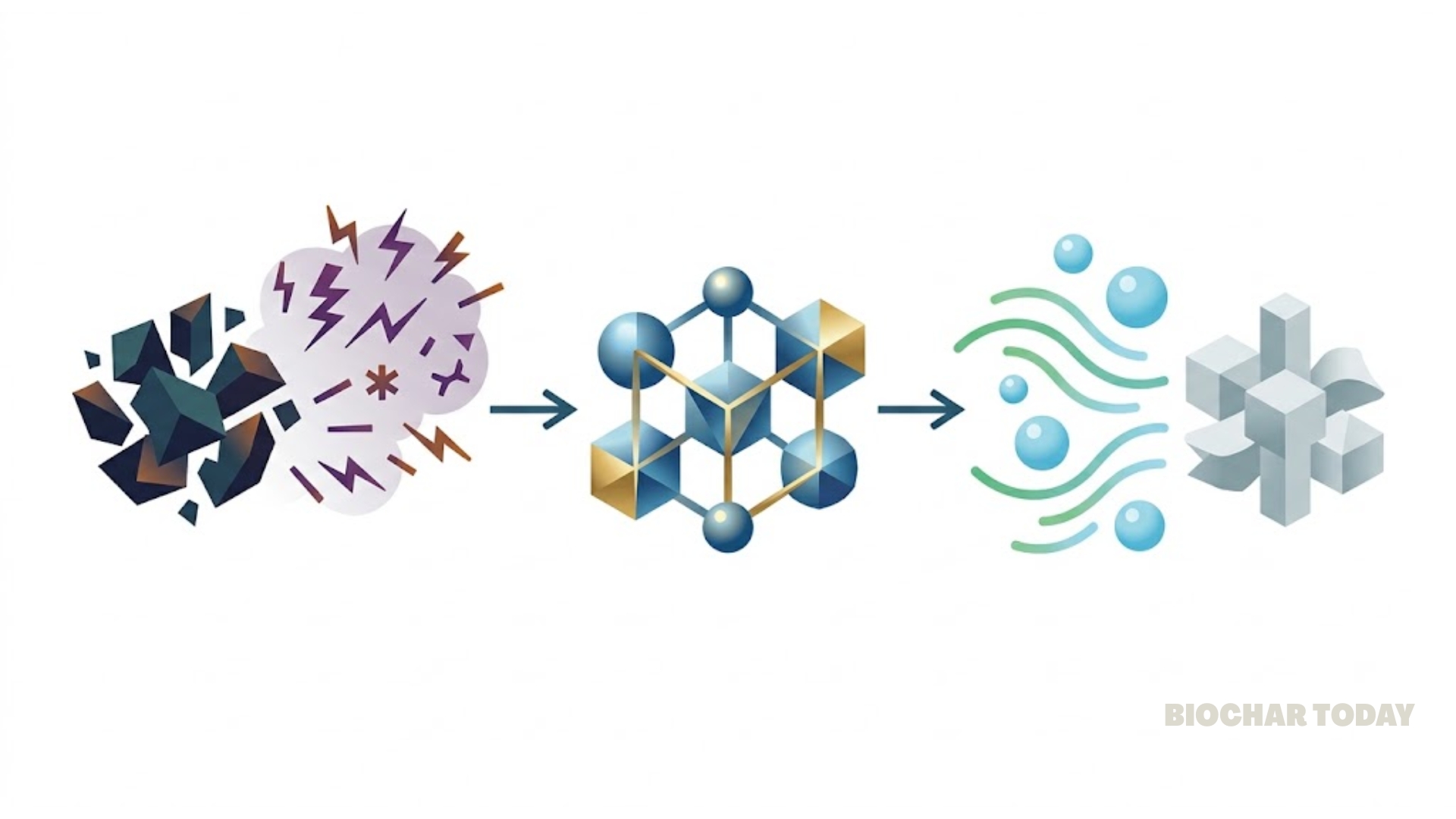
To solve these issues, Paebbl utilized an accelerated mineralization process that converts captured CO₂ into stable solid minerals a million times faster than natural cycles. This carbon-storing material serves as a partial cement replacement, reducing the embodied carbon of the concrete by up to 30%. The final concrete mix was further optimized by integrating biochar and recycled concrete, eliminating the need for primary sand or gravel. This circular approach ensures that the structure not only avoids new emissions but also utilizes waste products effectively.
The outcome of this project is a structural showcase that met all required strength and performance standards, proving that sustainability does not necessitate technical compromise. Specifically, the bridge deck permanently sequesters approximately 66 kilograms of CO₂ within its mineral structure. Overall, the Paebbl material has the capacity to sequester up to 300 kilograms of CO₂ for every 1,000 kilograms of material produced. This achievement signals to the international construction sector that carbon-neutral infrastructure is a viable reality today, rather than a distant future aspiration.



Leave a Reply