
Key Takeaways
- Scientists are testing specially treated wood and plant materials as a cleaner alternative to the coal used in traditional steel manufacturing.
- The research shows that these plant-based fuels burn very similarly to coal, making them easy to use in existing factory equipment without major changes.
- Using these renewable materials can significantly lower the amount of greenhouse gases released during the production of iron and steel.
- Beyond helping the environment, switching to these cleaner fuels could save companies money by reducing the carbon taxes they have to pay.
- While there are limits to how much coal can be replaced at once, these plant-based alternatives serve as a vital bridge to a greener industrial future.
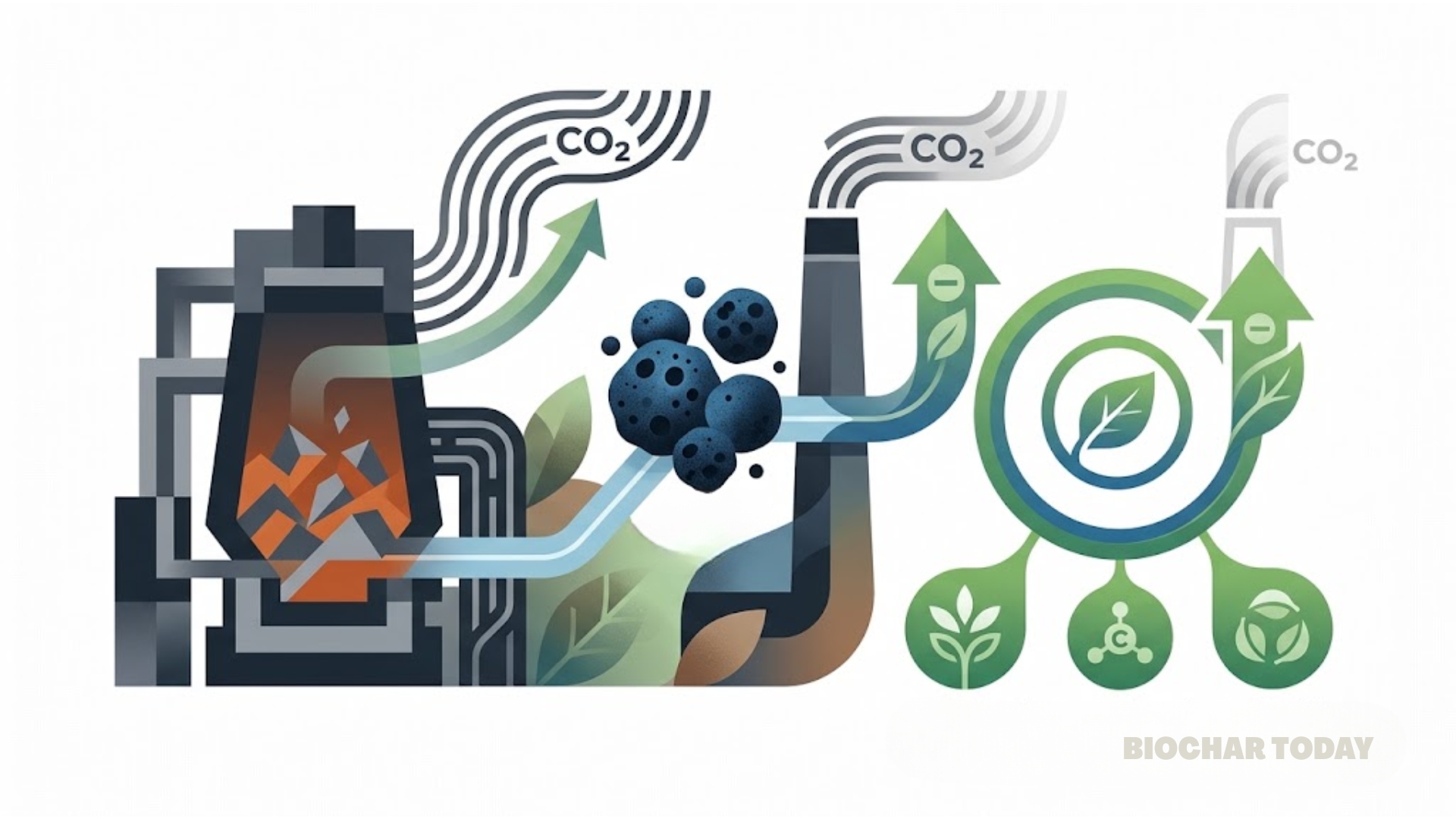
The global steel industry currently faces a significant challenge as it accounts for approximately eight percent of all human-caused greenhouse gas emissions. In a study published in the journal Engineering, lead author Min-Woo Kim along with Dae-Gyun Lee, Chung-Hwan Jeon, and their research team explored a transition strategy to move the sector toward carbon neutrality. Because the industry is currently limited by the high costs and infrastructure needs of hydrogen-based production, the researchers investigated the use of biocarbon as a stepwise replacement for pulverized coal in existing blast furnace systems. This approach allows steel producers to utilize current infrastructure while achieving immediate reductions in their environmental footprint.
Traditional ironmaking relies heavily on fossil fuels to reduce iron ore, but the researchers found that biomassBiomass is a complex biological organic or non-organic solid product derived from living or recently living organism and available naturally. Various types of wastes such as animal manure, waste paper, sludge and many industrial wastes are also treated as biomass because like natural biomass these More can be thermally treated to mimic the properties of high-quality coal. By using processes like torrefaction and carbonization, raw plant materials are transformed into stable fuels with higher energy density and improved grinding characteristics. The team evaluated four specific types of treated biomass, ranging from mildly toasted wood to hard carbonized materials. Their analysis revealed that as the treatment temperature increases, the chemical behavior and burning patterns of the biomass become nearly identical to the coal typically used in industrial furnaces, allowing for a smoother integration into the production cycle.
One of the most promising findings of the research relates to how these fuels interact when burned together. The study observed a phenomenon called fragmentation, where the biocarbon particles break apart during combustion. This action exposes more surface area and actually helps the surrounding coal burn more efficiently. This synergy means that at certain mixing levels, the combined fuel performs better than coal does on its own. While the researchers noted that very high levels of biomass could eventually affect the heat balance or ashAsh is the non-combustible inorganic residue that remains after organic matter, like wood or biomass, is completely burned. It consists mainly of minerals and is different from biochar, which is produced through incomplete combustion. Ash Ash is the residue that remains after the complete More levels in the furnace, they identified a comfortable range where the substitution remains highly effective for standard operations.
The environmental and economic implications of this transition are substantial for the modern industrial landscape. Because carbon from plant sources is generally considered carbon-neutral by international accounting standards, replacing even a small portion of coal leads to a direct drop in a factory’s reported emissions. The researchers calculated that substituting ten percent of the coal input could translate to a significant reduction in carbon dioxide output. Under current European carbon pricing, this shift would also provide a clear financial benefit by lowering the costs associated with emission credits. This makes biocarbon not just a tool for environmental protection, but a strategically sound choice for maintaining business competitiveness.
Looking toward the future, the study emphasizes that biocarbon serves as a critical bridge technology. While the ultimate goal for the steel industry may be entirely carbon-free production through hydrogen, that reality is still years away from being implemented at a global scale. In the meantime, the stepwise integration of biocarbon offers a technically feasible and operationally compatible solution that can be deployed today. By optimizing the blending ratios and treatment levels of these renewable fuels, the steel industry can make measurable progress toward climate goals without waiting for a total overhaul of its manufacturing technology. This research provides a clear roadmap for producers to begin their decarbonization journey through practical, scientifically validated increments.
Source: Kim, M. W., Ku, M. J., Kim, J., Kim, G. M., Jeon, C. H., & Lee, D. G. (2025). Towards carbon-neutral ironmaking: Stepwise integration of biocarbon in PCI with combustion behavior characterization and injection limit evaluation. Engineering.



Leave a Reply