
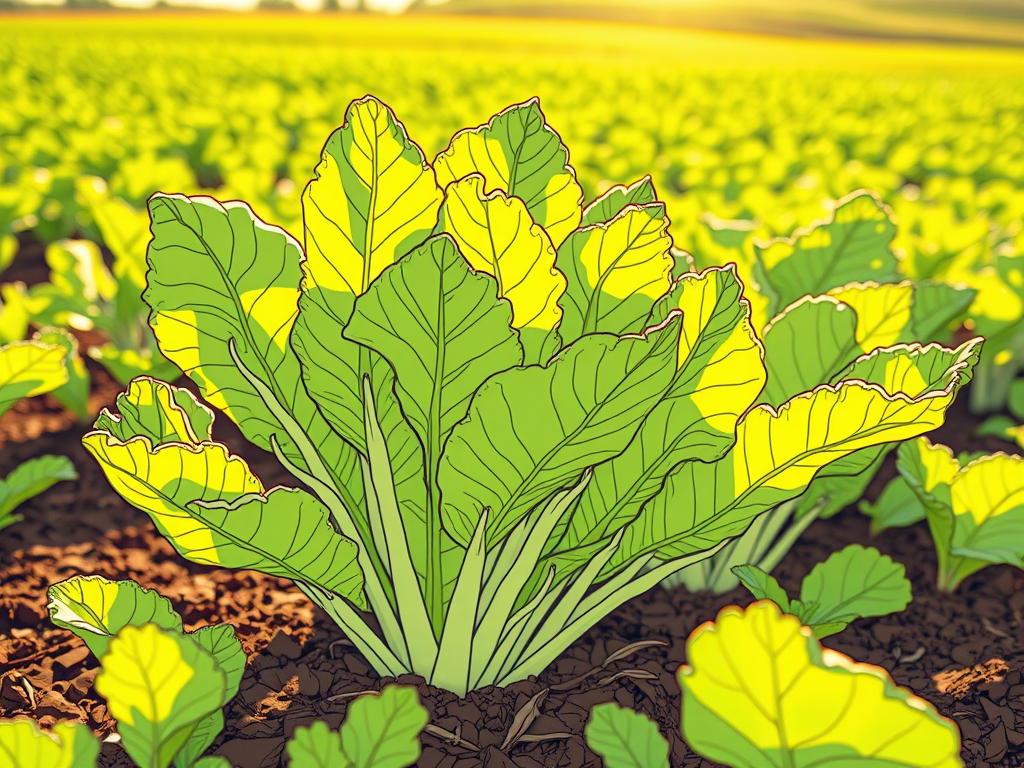
Continuous cropping, a widespread agricultural practice, often leads to significant challenges such as reduced crop yield, increased incidence of soil-borne diseases, and the accumulation of harmful autotoxic substances. Phenolic allelochemicals are particularly prevalent among these inhibitory compounds, disrupting plant cell division and impeding growth. While various methods exist to tackle this issue, biocharBiochar is a carbon-rich material created from biomass decomposition in low-oxygen conditions. It has important applications in environmental remediation, soil improvement, agriculture, carbon sequestration, energy storage, and sustainable materials, promoting efficiency and reducing waste in various contexts while addressing climate change challenges. More adsorption stands out due to its cost-effectiveness, wide applicability, and lasting effects. A recent study published in ACS Omega by Wenqiang Wang, Lanqing Li, Yue Xie, Min Wang, Zhifan Zhang, Yan Liu, Ye Gao, and Jiayi Ding introduces an innovative and sustainable solution: phosphorus-doped biochar derived from distiller’s grains.
Distiller’s grains, a substantial byproduct of the ethanol and brewing industries, often pose environmental concerns if not managed properly. This research transforms this agricultural waste into a valuable resource by creating modified biochar (P-BC) through pyrolysisPyrolysis is a thermochemical process that converts waste biomass into bio-char, bio-oil, and pyro-gas. It offers significant advantages in waste valorization, turning low-value materials into economically valuable resources. Its versatility allows for tailored products based on operational conditions, presenting itself as a cost-effective and efficient More and phosphoric acid treatment. The authors prepared different P-BCs by varying the phosphoric acid ratios (1:9, 3:7, and 1:1), labeled as 10P-BC, 30P-BC, and 50P-BC, and then evaluated their efficacy in removing key phenolic allelochemicals: p-hydroxybenzoic acid (p-HBA), vanillin (Van), and coumarin (Cou).
The characterization of the modified biochars revealed significant improvements in their physicochemical properties. Scanning electron microscopy (SEM) images showed that the phosphoric acid modification optimized the porous structure of the biochar, making its surface rougher and more porous, which increases the available adsorption sites. Fourier transform infrared spectroscopy (FT-IR) and X-ray photoelectron spectroscopy (XPS) confirmed the successful introduction of phosphorus-oxygen functional groups (like P=O, C-O-P, and C=O) onto the biochar surface. These groups are crucial because they enhance the biochar’s hydrophilicity and provide additional active sites for interaction with phenolic compounds. Raman spectroscopy indicated that phosphoric acid treatment also improved the graphitization degree of the biochar, making it more ordered and reducing structural defects.
Adsorption experiments demonstrated the superior performance of the P-doped biochars. The modified biochars reached adsorption equilibrium for p-HBA, Van, and Cou significantly faster (around 210 minutes) compared to unmodified biochar (600 minutes). The adsorption process largely conformed to the pseudo-second-order kinetic model, indicating that the adsorption is predominantly chemical in nature, involving ion exchange, electrostatic attraction, and π-π interactions. The Freundlich isotherm model best described the adsorption, suggesting a multilayer, non-uniform adsorption process. Furthermore, the adsorption capacity was highest at lower pHpH is a measure of how acidic or alkaline a substance is. A pH of 7 is neutral, while lower pH values indicate acidity and higher values indicate alkalinity. Biochars are normally alkaline and can influence soil pH, often increasing it, which can be beneficial More levels, and even after five adsorption-desorption cycles, the modified biochar retained approximately 40% of its initial adsorption capacity, highlighting its good stability and regeneration potential.
Crucially, the study included pot experiments to assess the real-world impact of the P-BCs on crop growth in continuous cropping soil. The results were highly encouraging: adding just 1% of the modified biochar significantly increased the dry weight and fresh weight of asparagus lettuce plants. Specifically, the 30P-BC treatment showed the most significant effect, increasing dry weight by 35.74% and fresh weight by 30.56% compared to the control group. This improvement is attributed to the biochar’s ability to adsorb phenolic allelochemicals, thereby reducing their persistence in the soil and improving the plant’s efficiency in absorbing nutrients and water. The addition of P-BC also significantly increased soil organic matter content, which can be linked to enhanced organic matter input or improved microbial activity.
This study offers an efficient and sustainable approach to manage agricultural waste and mitigate the challenges associated with continuous cropping. By transforming distiller’s grains into high-performing P-doped biochar, this research provides a promising solution to enhance soil quality and promote healthier crop growth, with broad potential for sustainable agricultural development.
Source: Wang, W., Li, L., Xie, Y., Wang, M., Zhang, Z., Liu, Y., Gao, Y., & Ding, J. (2025). Adsorption of Phenolic Allelochemicals by P-Doped Distiller’s Grains Biochar: A Synergistic Mechanism to Reduce the Accumulation of Autotoxic Substances. ACS Omega.



Leave a Reply