
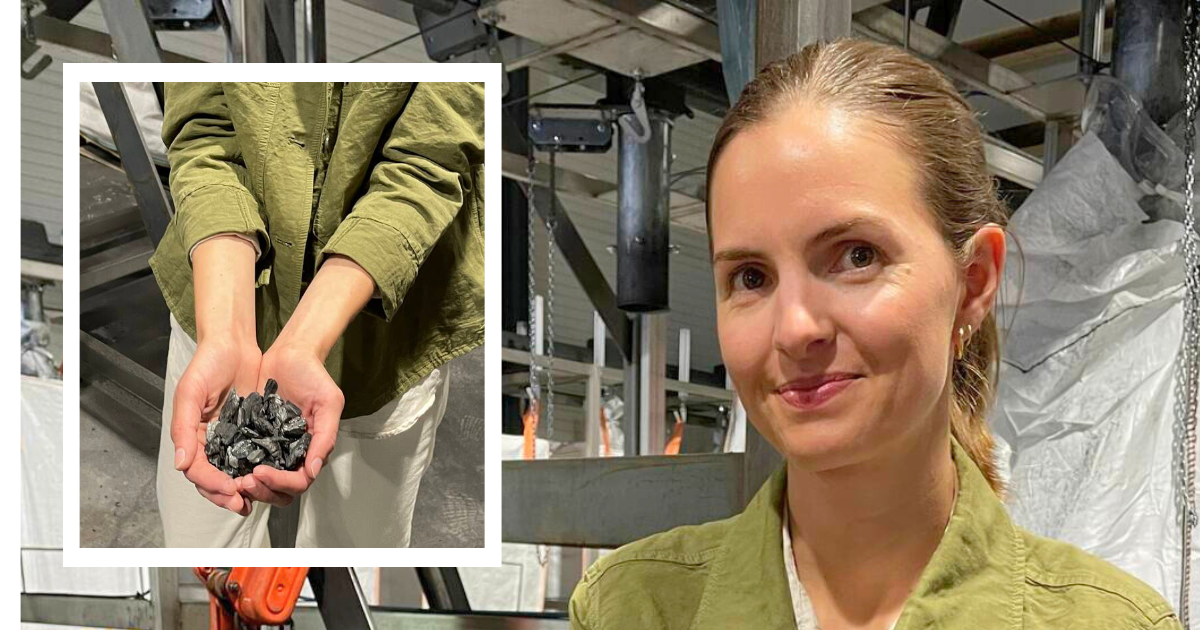
A Norwegian startup, Obiochar, is leveraging biocharBiochar is a carbon-rich material created from biomass decomposition in low-oxygen conditions. It has important applications in environmental remediation, soil improvement, agriculture, carbon sequestration, energy storage, and sustainable materials, promoting efficiency and reducing waste in various contexts while addressing climate change challenges. More to address critical needs in modern agriculture, focusing on both livestock health and soil enhancement. Situated north of Oslo, Obiochar employs a fully automated system to convert local forest biomassBiomass is a complex biological organic or non-organic solid product derived from living or recently living organism and available naturally. Various types of wastes such as animal manure, waste paper, sludge and many industrial wastes are also treated as biomass because like natural biomass these More, specifically dead trees unsuitable for lumber, into high-quality biochar. This innovative approach distinguishes them in the biochar market
Biochar, produced through pyrolysisPyrolysis is a thermochemical process that converts waste biomass into bio-char, bio-oil, and pyro-gas. It offers significant advantages in waste valorization, turning low-value materials into economically valuable resources. Its versatility allows for tailored products based on operational conditions, presenting itself as a cost-effective and efficient More at approximately 650 degrees Celsius in a low-oxygen environment, effectively locks carbon into a stable form. Each tonne of biochar stores the equivalent of three tonnes of carbon dioxide, preventing its release into the atmosphere for millennia. Obiochar maximizes efficiency by capturing the heat generated during pyrolysis and selling it to a neighboring meat processing plant, creating an additional revenue stream alongside carbon credit sales, which account for about 25% of their income.
Obiochar’s dual focus extends to practical on-farm applications. For livestock, biochar acts as a feed additive that binds toxins and pathogens in the gut, improving redox reactions and fostering a healthier digestive environment. This promotes growth and resilience in animals. Completed trials with various livestock, including pigs, turkeys, and dairy cattle, have yielded positive results. For instance, piglets supplemented with biochar showed improved gut health, increased weight gain, and reduced mortality, leading to significant economic benefits for farmers. Calves exhibited better coat health and fewer issues, while poultry, lamb, and dairy cattle experienced reduced gut inflammation.
As a soil amendmentA soil amendment is any material added to the soil to enhance its physical or chemical properties, improving its suitability for plant growth. Biochar is considered a soil amendment as it can improve soil structure, water retention, nutrient availability, and microbial activity. More, biochar improves water retention, enhances drought resilience, and provides habitat for beneficial soil biota, contributing to soil carbon sequestration. Farmers can easily integrate biochar into their practices using standard equipment like lime or manure spreaders, or by mixing it into slurry. It can also be added to livestock bedding to manage moisture and odors.
Despite biochar’s potential, Obiochar identifies awareness and cost as primary hurdles to broader adoption. Farmers may not see immediate yield increases on already healthy soils, which can deter investment. However, increased government subsidies for biochar use in Norway are anticipated to stimulate uptake. Obiochar currently operates a 600-tonne annual capacity production line and is prepared to scale, which will help drive down costs as demand grows. This comprehensive approach underscores biochar’s capacity to support both agricultural productivity and climate mitigation efforts.




Leave a Reply