
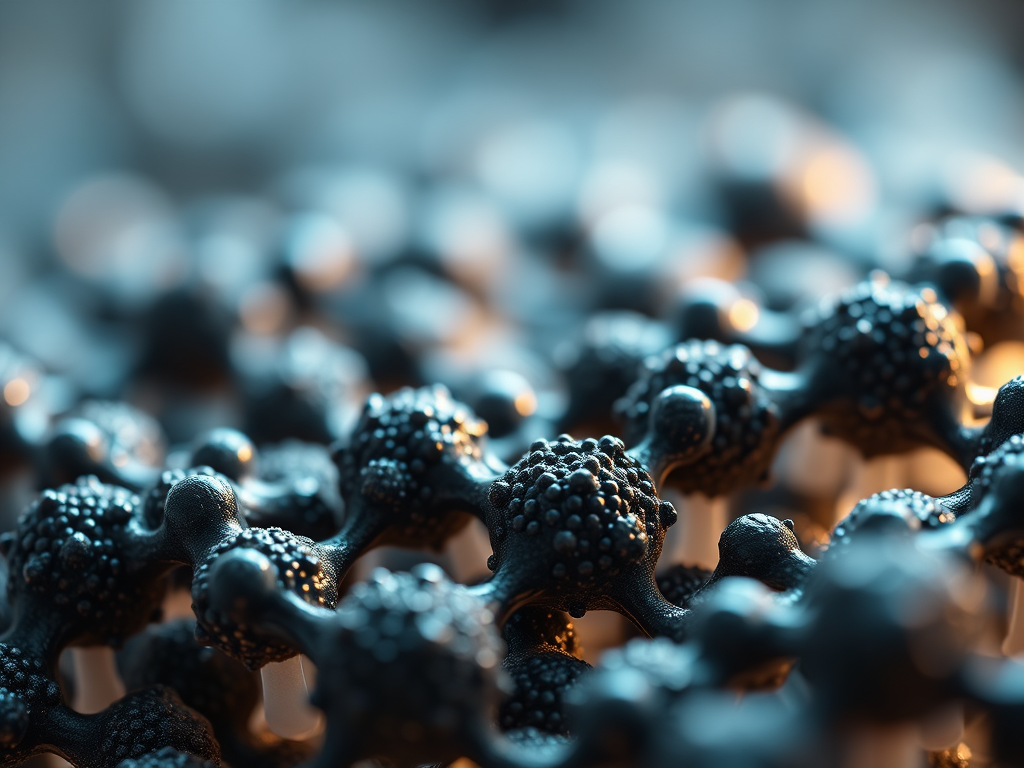
In a recent review published in the journal BiocharBiochar is a carbon-rich material created from biomass decomposition in low-oxygen conditions. It has important applications in environmental remediation, soil improvement, agriculture, carbon sequestration, energy storage, and sustainable materials, promoting efficiency and reducing waste in various contexts while addressing climate change challenges. More, authors Zhihuan Zang, Shurui Chou, and Qinfu Zhao, among others, provide a comprehensive look at the production and application of mesoporous carbon materials. The article, “A review of the production and application of mesoporous carbon and its potential as an excellent carrier for the adsorptive delivery of compounds,” highlights how the unique properties of mesoporous carbon nanoparticles make them suitable for a variety of applications, from environmental protection to biomedicine. Mesoporous carbon materials, characterized by a pore size of 2-50 nm, possess a large specific surface area, adjustable pore size, and are easily modified, giving them an advantage over microporous and macroporous materials.
The review outlines three main methods for synthesizing mesoporous carbon: the hard template method, the soft template method, and the template-free method. The hard template method uses porous solid materials, such as mesoporous silica, as a mold to create a carbon structure with a precisely controlled pore size. However, this method is complex and requires etching with strong acids or bases to remove the template, which can alter the carbon structure. The soft template method, on the other hand, uses organic molecules (surfactants) as templates and is simpler, more convenient, and offers a higher yield. The template-free method is considered the most promising for future use because it is cost-effective, easily scalable, and does not require the removal of templates, making it more environmentally friendly.
Mesoporous carbon’s unique properties make it an excellent material for various applications. In the field of biomedicine, it is being developed as a nanocarrier to improve the solubility, stability, and bioavailability of compounds. Researchers have demonstrated its ability to be loaded with compounds through a gentle solution adsorption method, which offers a controlled and slow release. The high specific surface area allows for a high loading capacity, while the adjustable pore structure can be fine-tuned to control the release rate of compounds. This technology has shown great potential in cancer therapy, with some nanocarriers successfully inhibiting colon cancer cells in vitro and achieving a tumor inhibition rate of over 85% in vivo.
For instance, mesoporous carbon materials can be designed with intelligent release mechanisms that respond to a variety of internal and external stimuli. These stimuli include changes in pHpH is a measure of how acidic or alkaline a substance is. A pH of 7 is neutral, while lower pH values indicate acidity and higher values indicate alkalinity. Biochars are normally alkaline and can influence soil pH, often increasing it, which can be beneficial More, temperature, redox potential, light, enzymes, and magnetic fields. In one example, a pH-sensitive nanocarrier released doxorubicin (DOX) and calcium ions by cleaving a pH-sensitive coordination bond, which is useful for targeting cancer cells that have a lower pH than normal tissues. Another study demonstrated a redox-responsive system where a disulfide bond cap on the nanoparticles broke down in the presence of glutathione (GSH), triggering the release of DOX. Similarly, temperature-responsive polymers on the surface of the nanoparticles can shrink or expand in response to heat, releasing encapsulated compounds.
While mesoporous carbon materials have shown great promise, there are significant challenges to their widespread adoption. The production process is complex, with high technical requirements, making it difficult for large-scale commercial production. There is also a lack of clinical evidence regarding their potential nanotoxicity, and further research is needed to validate their long-term safety and effectiveness. Future research should focus on developing more cost-effective synthesis methods and improving the stability, functionality, and environmental adaptability of these materials.
Source: Zang, Z., Chou, S., Zhao, Q., Nie, Y., Xin, M., Li, Z., Tian, J., & Li, B. (2025). A review of the production and application of mesoporous carbon and its potential as an excellent carrier for the adsorptive delivery of compounds. Biochar, 7(44), 1–26.





Leave a Reply