
French startup NetZero, already operating a biocharBiochar is a carbon-rich material created from biomass decomposition in low-oxygen conditions. It has important applications in environmental remediation, soil improvement, agriculture, carbon sequestration, energy storage, and sustainable materials, promoting efficiency and reducing waste in various contexts while addressing climate change challenges. More facility in Brejetuba, has announced a significant expansion plan in the Brazilian state of Espírito Santo. The company intends to establish 50 new production plants over the next five years, representing a potential investment of R$ 1.8 billion. This initiative aims to scale up the production of biochar, a soil amendmentA soil amendment is any material added to the soil to enhance its physical or chemical properties, improving its suitability for plant growth. Biochar is considered a soil amendment as it can improve soil structure, water retention, nutrient availability, and microbial activity. More derived from agricultural waste that enhances soil fertility and sequesters carbon.
The project addresses the dual challenges of decarbonizing the agricultural sector and managing organic waste streams. Espírito Santo, a major producer of coffee and sugarcane, generates substantial biomassBiomass is a complex biological organic or non-organic solid product derived from living or recently living organism and available naturally. Various types of wastes such as animal manure, waste paper, sludge and many industrial wastes are also treated as biomass because like natural biomass these More residues that can be converted into a valuable product. NetZero’s strategy leverages this local resource, transforming waste from coffee and sugarcane processing into biochar, thereby creating a value-added product while mitigating environmental impacts.
The expansion will be supported by an innovative partnership model, with expected financing from the Development Bank of Espírito Santo’s (Bandes) Decarbonization Fund. Rather than directly funding NetZero, the model proposes financing local farmers and cooperatives to establish and operate the biochar facilities. This decentralized approach ensures that the plants are located close to the feedstockFeedstock refers to the raw organic material used to produce biochar. This can include a wide range of materials, such as wood chips, agricultural residues, and animal manure. More source, fostering a circular economy that benefits small-scale agricultural producers directly.
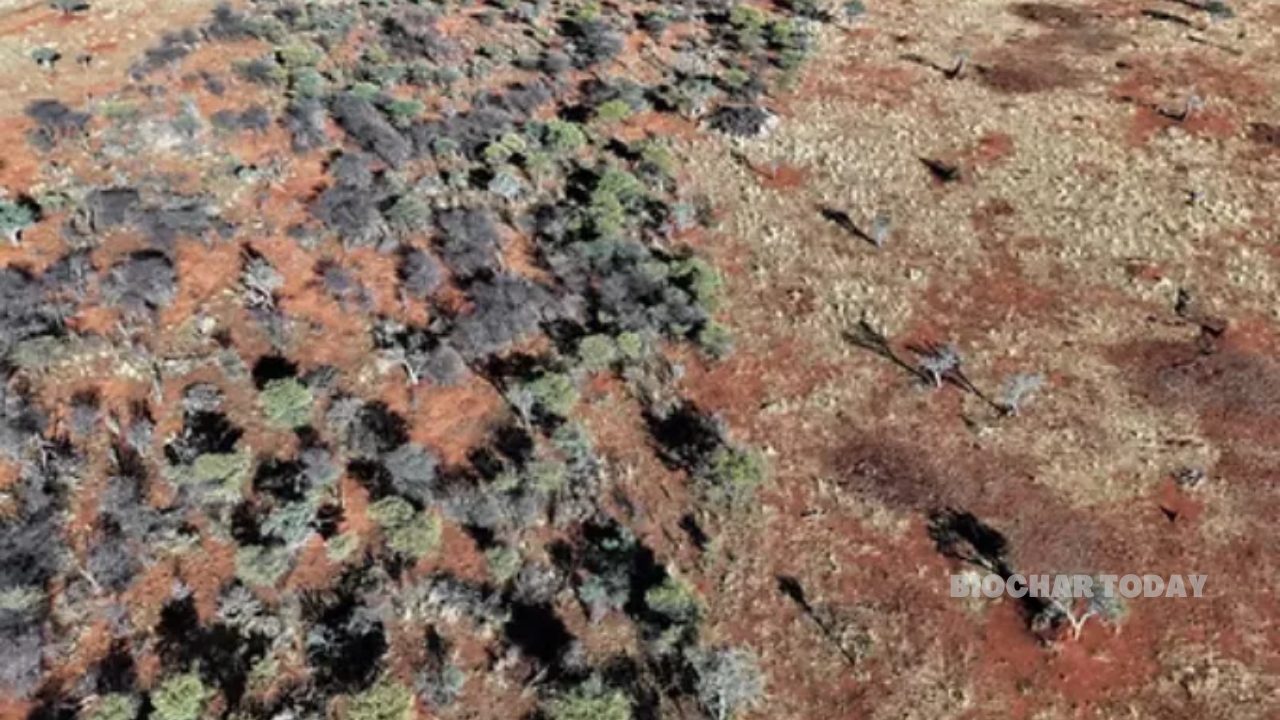
The projected impact of this expansion is substantial. The 50 facilities are expected to remove approximately 6 million tons of carbon from the atmosphere. Beyond the climate benefits, the project is anticipated to create 1,600 direct and 16,000 indirect jobs, stimulating local economies. In addition to agricultural applications, NetZero is exploring the use of its biochar for land restoration projects, particularly in degraded areas like the Rio Doce valley, in collaboration with state agencies and universities.
NetZero’s initiative in Espírito Santo serves as a compelling case study for the global biochar industry. It demonstrates a scalable, decentralized production model that integrates seamlessly with local agriculture. The project underscores the critical role of public-private partnerships in financing climate solutions and highlights biochar’s versatility as a tool for both agricultural enhancement and large-scale environmental remediation. This approach offers a replicable blueprint for developing sustainable, localized biochar economies worldwide.
Source: Startup francesa quer implantar mais 50 fábricas de biocarvão no ES



Leave a Reply