
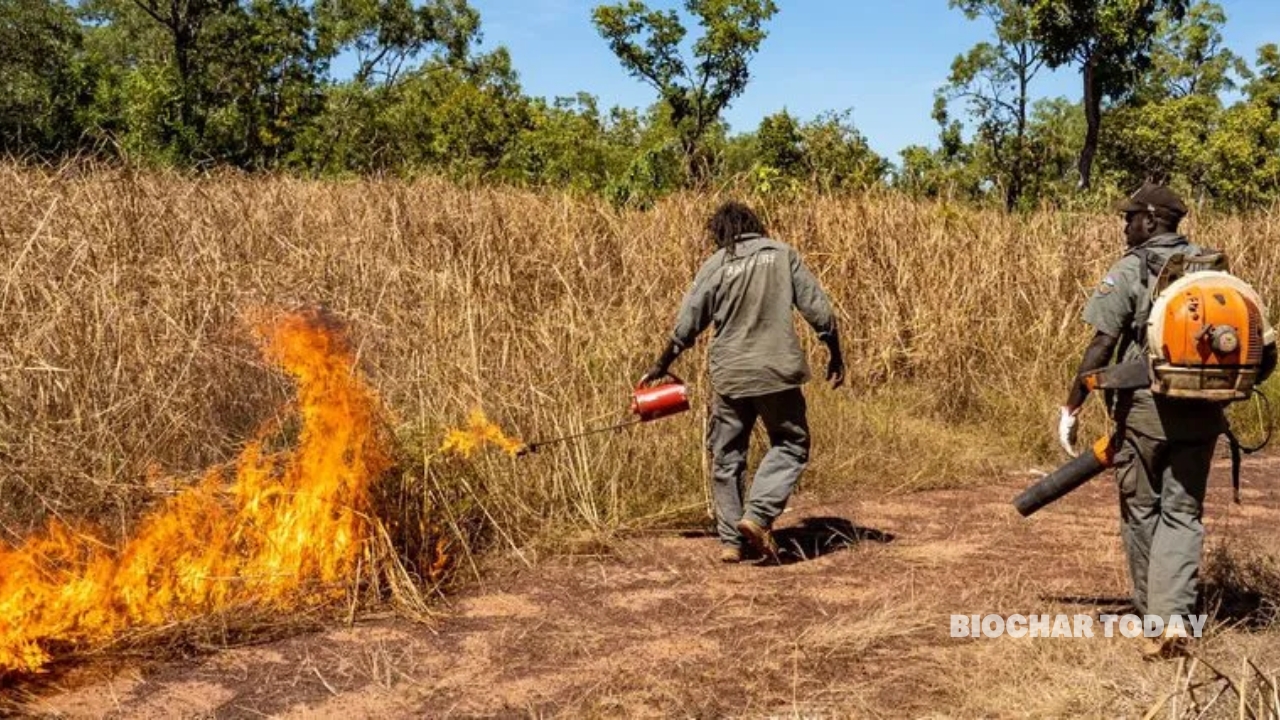
National Australia Bank has executed its largest single purchase of domestic carbon credits by entering a five-year agreement with Arnhem Land Fire Abatement NT, a First Nations-owned carbon farming organization in Australia. Under the terms of the transaction, the financial institution secured approximately 150,000 Australian Carbon Credit Units to mitigate its residual operational emissions through 2031. The credits are generated via specialized savanna fire management projects across the Northern Territory, where traditional landowners implement strategic early dry-season burning. This commercial arrangement reflects a shift toward multi-year procurement strategies within the evolving Australian compliance and voluntary carbon markets.
The primary challenge addressed by this agreement centers on market volatility and supply insecurity within the annual spot market for high-integrity carbon credits. Corporations seeking to offset operational emissions face escalating regulatory pressures following federal legislative updates, including the 2023 reforms to the Safeguard Mechanism and the introduction of new savanna fire methodologies in April 2026. For project developers like the Northern Territory non-profit, relying on short-term spot transactions restricts long-term financial planning and limits the consistent funding necessary to maintain large-scale land management operations and support remote Indigenous ranger programs.
To resolve these supply and financial uncertainties, the organizations established a structured, five-year forward procurement contract. This multi-year mechanism stabilizes the credit supply for the purchasing institution while guaranteeing a predictable, long-term revenue stream for the land management enterprise. Operationally, the project utilizes an innovative methodology that pairs modern fire management tools with customary ecological knowledge. Indigenous rangers conduct controlled, low-intensity burns early in the dry season, removing fine fuel loads and effectively preventing the catastrophic, late-season wildfires that discharge massive volumes of greenhouse gases into the atmosphere.
The commercial outcome provides the purchasing institution with long-term supply certainty through 2031, insulating its sustainability portfolio from spot market fluctuations. On the supply side, the transaction ensures comprehensive funding for six distinct fire management projects across Arnhem Land. Every dollar generated from the sale is directly reinvested into local land and cultural conservation efforts, providing stable employment, training, and community resources for more than 300 Indigenous rangers. This contractual model sets a precedent for the maturation of the broader Australian carbon market by successfully linking commercial compliance requirements with verifiable environmental and community-led socio-economic development.





Leave a Reply