
Key Takeaways
- Scientists are using recycled organic waste, like wood and stalks, to create a specialized charcoalCharcoal is a black, brittle, and porous material produced by heating wood or other organic substances in a low-oxygen environment. It is primarily used as a fuel source for cooking and heating. More that cleans medicine residues from water.
- Chemically treating this charcoal allows it to trap and break down more than 90 percent of common antibiotics found in the environment.
- These treated materials can be reused multiple times, making the water cleaning process more affordable and environmentally friendly.
- The technology helps prevent the spread of superbugs by removing antibiotics before they can leak into soil or drinking water.
- This approach turns agricultural waste into a high-tech tool for protecting public health and keeping natural water sources safe.
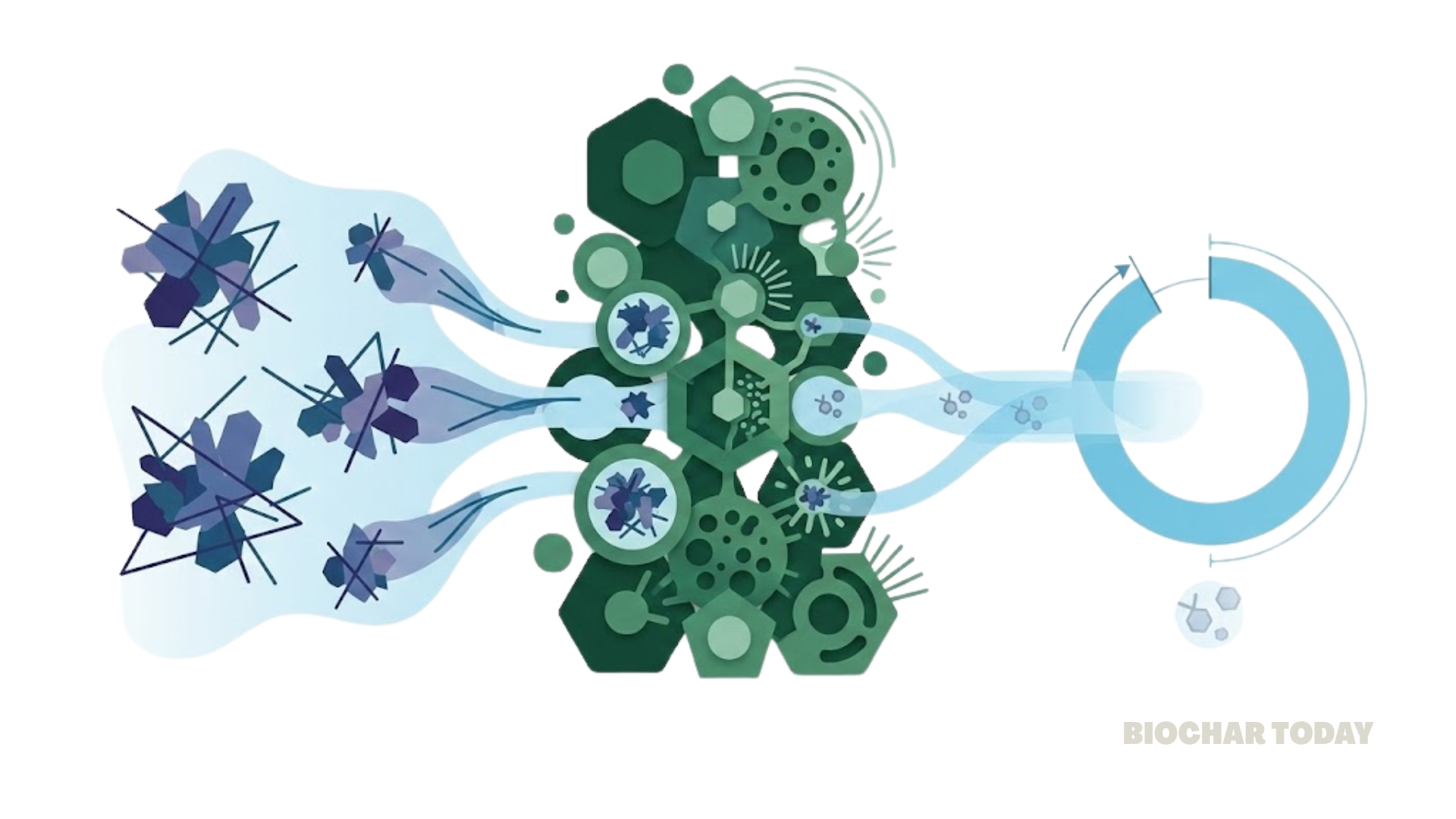
In a comprehensive review published in the journal Antibiotics, lead author Junjie Wang and a team of researchers from the China-UK Agro-Environmental Pollution Prevention and Control Joint Research Centre examined the latest breakthroughs in using modified biocharBiochar is a carbon-rich material created from biomass decomposition in low-oxygen conditions. It has important applications in environmental remediation, soil improvement, agriculture, carbon sequestration, energy storage, and sustainable materials, promoting efficiency and reducing waste in various contexts while addressing climate change challenges. More to combat pharmaceutical pollution. Sulfonamide antibiotics have become a significant environmental concern because they are widely used in human medicine and livestock farming but are not easily removed by traditional wastewater treatment plants. These chemicals often persist in the environment, leading to the development of antibiotic-resistant bacteria and posing long-term risks to aquatic life. The research team focused on how changing the physical and chemical structure of biochar can dramatically improve its ability to capture and destroy these stubborn medicinal compounds.
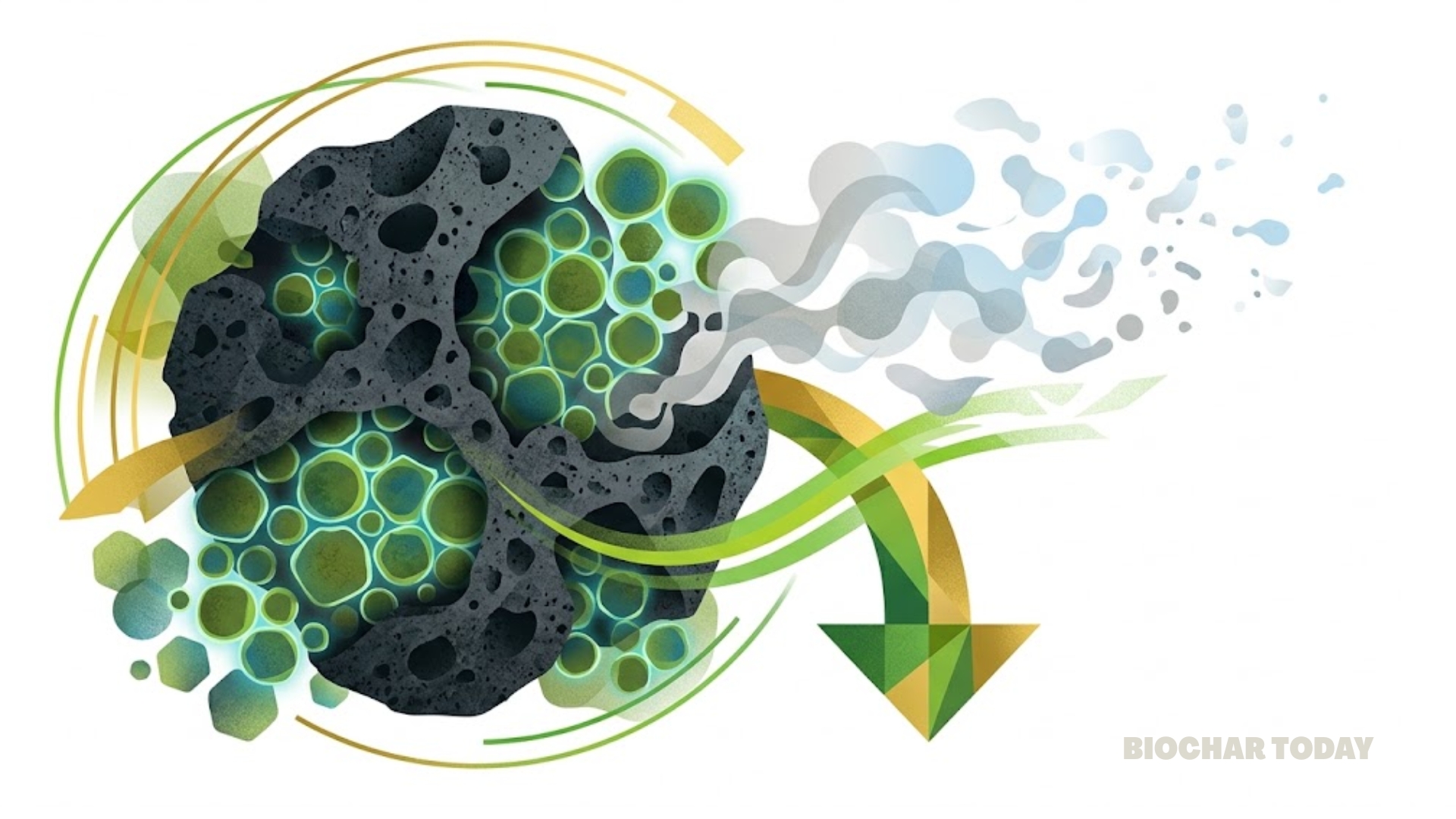
The research findings demonstrate that the effectiveness of biochar is not just about its natural state but about how it is “tuned” through specific modifications. Raw biochar often has limited surface area and few active sites for chemical reactions. However, when treated with metals, acids, or specialized carbon-based nanomaterials, its performance reaches impressive levels. For instance, the study notes that modified versions frequently achieve removal rates exceeding 90 percent, a significant jump from the much lower efficiencies of untreated materials. These modifications increase the number of tiny pores and specialized chemical groups on the surface, which act like magnets for antibiotic molecules. By increasing the surface area and creating more “pockets” for the antibiotics to land in, the modified biochar can hold a much higher concentration of pollutants.
Beyond simply trapping the antibiotics, the study highlights the growing importance of degradation, where the biochar helps break the medicine down into harmless substances. This is often achieved by combining biochar with advanced oxidation processes. In these systems, the biochar acts as a platform that triggers the production of highly reactive molecules. These molecules attack the chemical bonds of the sulfonamides, effectively shredding the pollutants. The researchers found that certain metal-modified biochars are particularly effective at this, as the metals help speed up the breakdown process. This dual-action approach—trapping the pollutant first and then destroying it—ensures that the antibiotics are completely removed from the water cycle rather than just being moved from one place to another.
Another critical result of the study is the high level of stability and reusability demonstrated by these engineered materials. In many tests, the modified biochar maintained its high removal efficiency even after five or more cycles of use. This longevity is essential for making the technology practical for large-scale use in treatment plants or on farms. The researchers also pointed out that using agricultural waste as the starting material for biochar provides a sustainable “circular economy” solution. Instead of burning crop stalks or wood waste, which releases carbon into the atmosphere, these materials are converted into a stable form that serves a vital environmental purpose. This research underscores a transition toward more sophisticated, high-performance water treatment tools that are both economically viable and environmentally responsible.
Source: Wang, J., Hou, Y., Li, X., Zhao, R., Mu, X., Liu, Y., Huang, C., Fu, F., & Yang, F. (2026). Research progress and prospects of modified biochar in the adsorption and degradation of sulfonamide antibiotics. Antibiotics, 15(3), 268.

Leave a Reply