

Mast Reforestation has advanced post-wildfire ecological recovery across the United States by validating an innovative, market-first financial pathway that leverages engineered carbon dioxide removal technologies. Through its specialized project development wing, the organization successfully executed the rapid engineering, verification, and absolute commercial sell-out of all carbon removal credits generated at its pilot project site, Mast Wood Preserve MT1. By finalizing multi-year credit acquisition agreements with international corporate buyers, the enterprise has demonstrated a functional framework where commercial carbon liabilities directly bankroll urgent landscape restoration.
The primary hurdle addressed by this initiative centers on the severe logistical and financial deficits currently impeding large-scale post-wildfire forest regeneration. Intensifying seasonal wildfires strip millions of acres of tree cover annually, leaving massive quantities of unmerchantable, fire-killed tree stock across degraded landscapes. Landowners typically lack the financial resources or regional milling access required to clear this hazardous biomassBiomass is a complex biological organic or non-organic solid product derived from living or recently living organism and available naturally. Various types of wastes such as animal manure, waste paper, sludge and many industrial wastes are also treated as biomass because like natural biomass these More, leaving pile-burning as the standard baseline disposal option, which triggers an immediate, large-scale release of atmospheric greenhouse gases. Furthermore, shrinking public agency budgets create an ecological gridlock where scorched forests struggle to regenerate naturally, prompting permanent habitat degradation, persistent soil erosion, and severe secondary pest outbreaks.
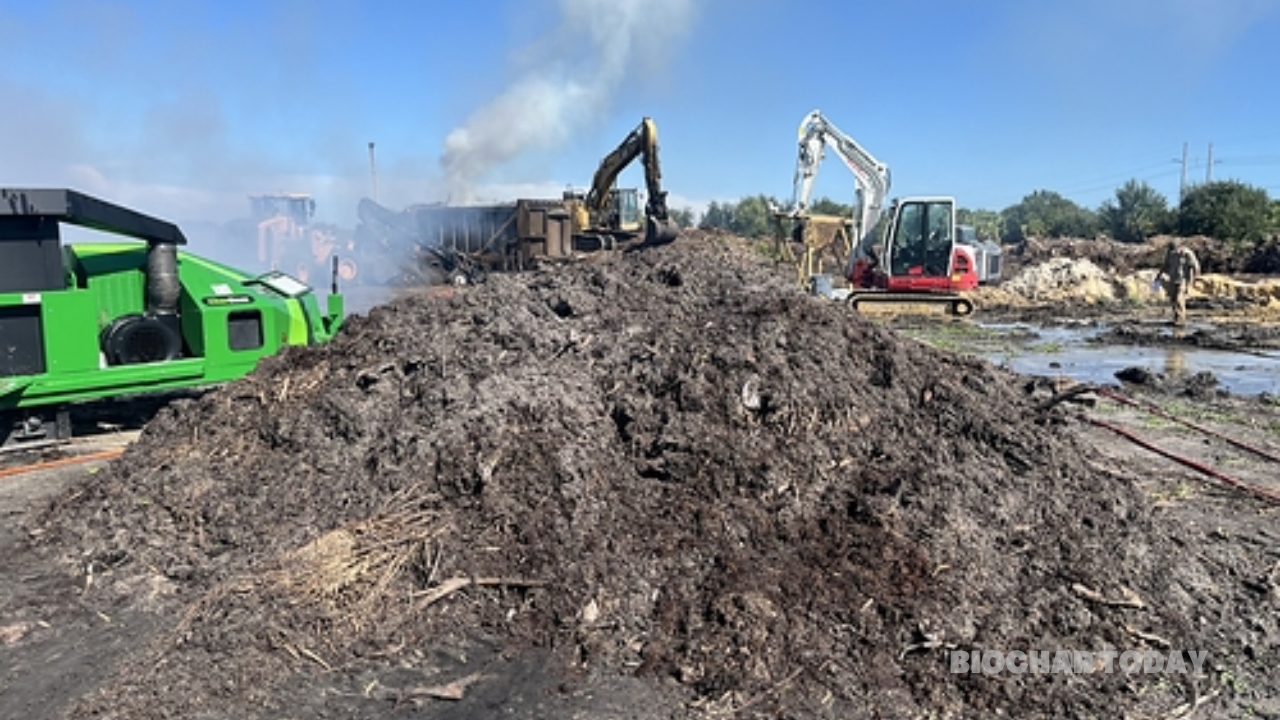
To resolve these interconnected environmental and economic constraints, the company pioneered an end-to-end restorative carbon framework utilizing specialized Biomass Carbon Removal and Storage engineering practices. Operating within a strict nine-month construction window, project teams excavated highly engineered, clay-rich subterranean repositories directly within the affected landscape to permanently trap ten million pounds of fire-damaged logs. This intensive excavation framework isolates the carbon-heavy biomass within an oxygen-free, subterranean vault environment to block standard aerobic decomposition processes for a minimum century-long duration. The carbon dioxide removal yields were strictly accounted for under independent validation rules, allowing the developer to issue highly structured removal credits that corporate sustainability offices could confidently purchase and retire.
The commercial and ecological outcomes of this program demonstrate a scalable model for self-funding forestry interventions. The enterprise achieved a total marketplace sell-out of its initial four thousand two hundred seventy-seven credits within six weeks of issuance, attracting prominent institutional buyers like Bain & Company and the Royal Bank of Canada. Every dollar generated from these corporate carbon asset transactions was immediately deployed to fully finance low-density ponderosa pine planting operations across one hundred twenty-five acres of severely burned land at no cost to local property owners. By securing independent verification through the Puro.earth registry and obtaining an elite pre-issuance risk rating from BeZero Carbon, the project successfully established the necessary baseline credibility to expand its continuous project pipeline toward a targeted capacity of one hundred fifty thousand tons annually.



Leave a Reply