
MASH Makes has released findings from the sixth season of its multi-year field trials, demonstrating the enduring efficacy of a single biocharBiochar is a carbon-rich material created from biomass decomposition in low-oxygen conditions. It has important applications in environmental remediation, soil improvement, agriculture, carbon sequestration, energy storage, and sustainable materials, promoting efficiency and reducing waste in various contexts while addressing climate change challenges. More application on crop performance. The ongoing study, conducted in India, alternates between soybean and chickpea crops to assess long-term soil amendmentA soil amendment is any material added to the soil to enhance its physical or chemical properties, improving its suitability for plant growth. Biochar is considered a soil amendment as it can improve soil structure, water retention, nutrient availability, and microbial activity. More effects. The latest data indicates that soybean plots treated with biochar continued to outperform untreated control plots significantly, despite environmental variables. This data reinforces the hypothesis that biochar application provides lasting benefits beyond the initial growing season, supporting agricultural productivity over an extended timeline.
The primary challenge addressed in this longitudinal study is the vulnerability of agricultural yields to variable climate conditions and soil health degradation. Farmers face increasing unpredictability in weather patterns, such as the unusual weather experienced during Season 6, which complicates harvest reliability. Furthermore, there is a critical need to establish whether soil amendments can offer resilience against drought and other climate stressors without requiring frequent, costly re-application. The difficulty lies in proving that a one-time intervention can sustain productivity across diverse environmental scenarios, including both drought years and typical growing seasons.
To investigate this, MASH Makes implemented a scalable pyrolysisPyrolysis is a thermochemical process that converts waste biomass into bio-char, bio-oil, and pyro-gas. It offers significant advantages in waste valorization, turning low-value materials into economically valuable resources. Its versatility allows for tailored products based on operational conditions, presenting itself as a cost-effective and efficient More and gasificationGasification is a high-temperature, thermochemical process that converts carbon-based materials into a gaseous fuel called syngas and solid by-products. It takes place in an oxygen-deficient environment at temperatures typically above 750°C. Unlike combustion, which fully burns material to produce heat and carbon dioxide (CO2), gasification More platform to produce biochar, which was applied to test plots at the beginning of the trial (Season 1). The experimental design compared control plots against those treated with two different application rates: 2 tonnes per acre and 4 tonnes per acre. No additional biochar was added in subsequent seasons. This approach isolates the residual impact of the initial soil amendment. In Season 6, due to weather constraints preventing a full harvest, the team estimated yields by sampling 25 healthy plants per plot, ensuring that data collection could continue despite logistical hurdles.
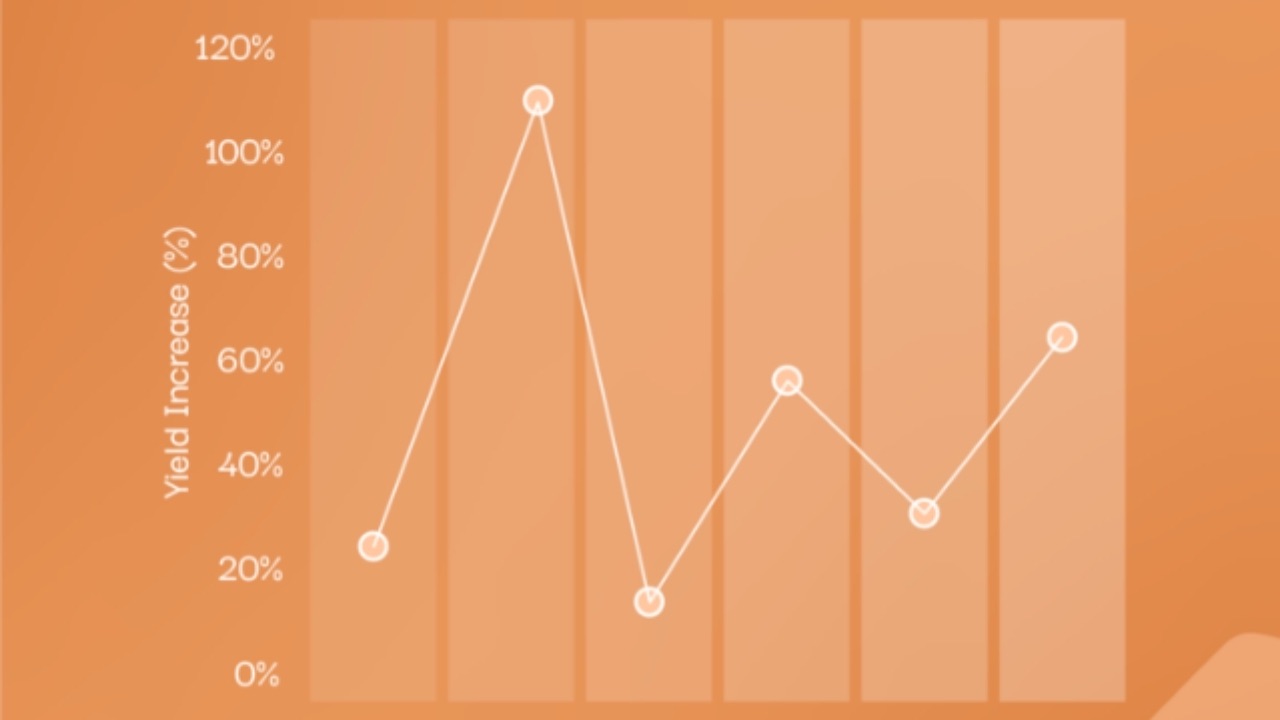
The outcomes from Season 6 reveal that soybean plots treated with biochar yielded up to 65 percent more than untreated plots. While MASH Makes notes these results are indicative due to the sampling method required by weather conditions, the data aligns with a six-season trend where the higher application rate of 4 tonnes per acre consistently produced superior results. Historical data from the trial highlights that biochar provided marked benefits during drought years (Seasons 2 and 3) and maintained positive effects during standard years. These findings suggest that a singular biochar application not only improves immediate yields but also enhances long-term climate resilience and farming system reliability.





Leave a Reply