
Key Takeaways
- Large biocharBiochar is a carbon-rich material created from biomass decomposition in low-oxygen conditions. It has important applications in environmental remediation, soil improvement, agriculture, carbon sequestration, energy storage, and sustainable materials, promoting efficiency and reducing waste in various contexts while addressing climate change challenges. More pieces help wash away harmful salts from the soil, making it easier for crops to grow in salty conditions.
- Small biochar particles are best for healthy soil because they act like a sponge to hold onto water and nutrients.
- Using the wrong size of biochar in salty ground can actually trap salt near the plant roots and hurt the harvest.
- Adding biochar to the soil naturally raises the pHpH is a measure of how acidic or alkaline a substance is. A pH of 7 is neutral, while lower pH values indicate acidity and higher values indicate alkalinity. Biochars are normally alkaline and can influence soil pH, often increasing it, which can be beneficial More level and increases essential nitrogen for better plant health.
- Farmers should choose large biochar for salty fields and fine biochar for normal fields to get the biggest boost in food production.
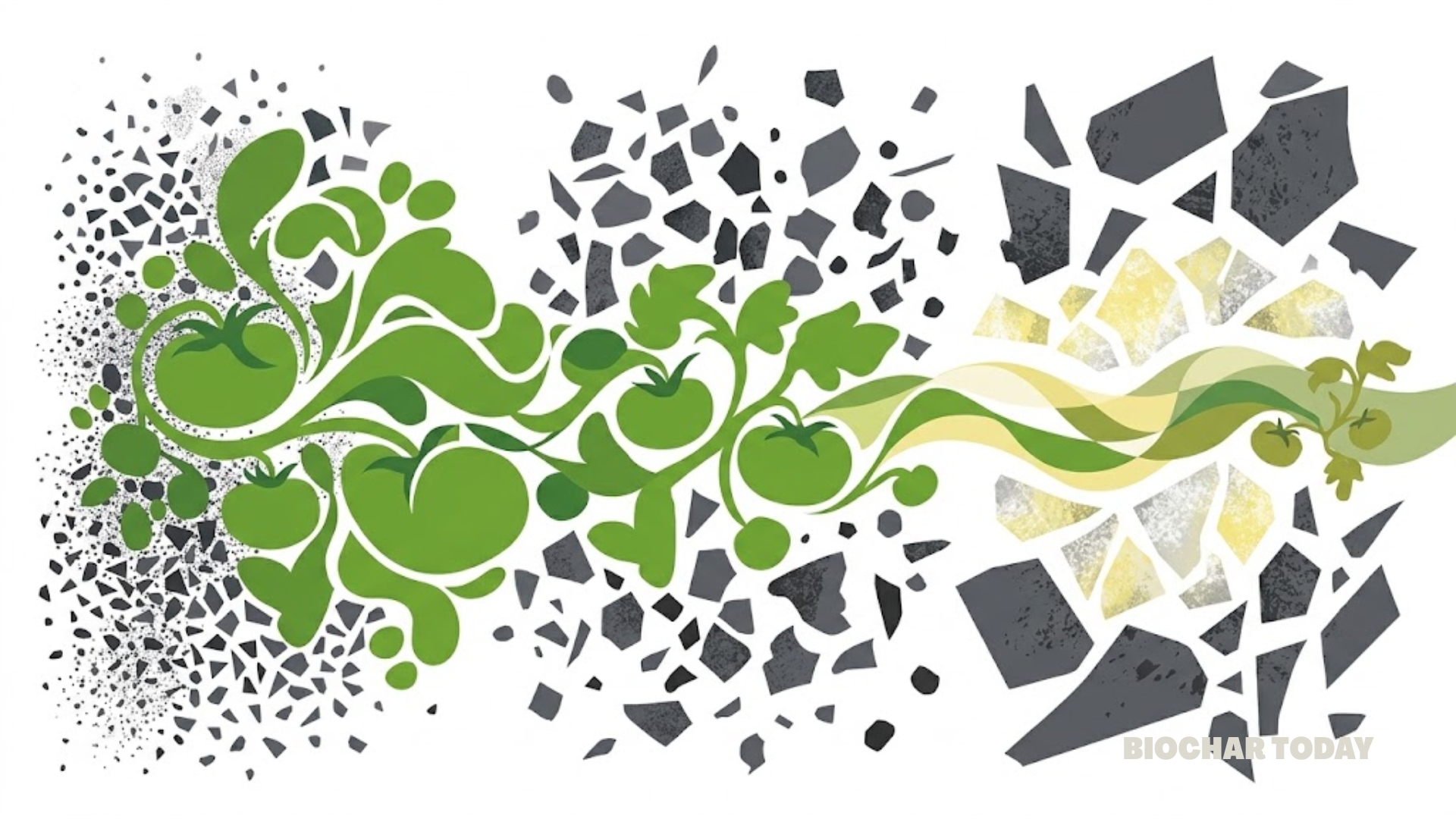
A recent study published in the journal Biochar by authors Zhuqing Wu, Yaqiong Fan, and their research team at China Agricultural University explores how the physical size of biochar particles fundamentally changes the way crops respond to soil salinity. Soil salinization is a major global hurdle for agriculture, as high salt levels prevent roots from absorbing water and nutrients properly, leading to significant yield losses. While biochar has long been praised as a sustainable solution to improve soil health, this investigation highlights that the effectiveness of the amendment is not just about its chemical makeup but also its physical structure. By testing large and small biochar particles in a greenhouse setting, the researchers discovered that the wrong choice of particle size could actually worsen salt stress for sensitive plants like tomatoes.
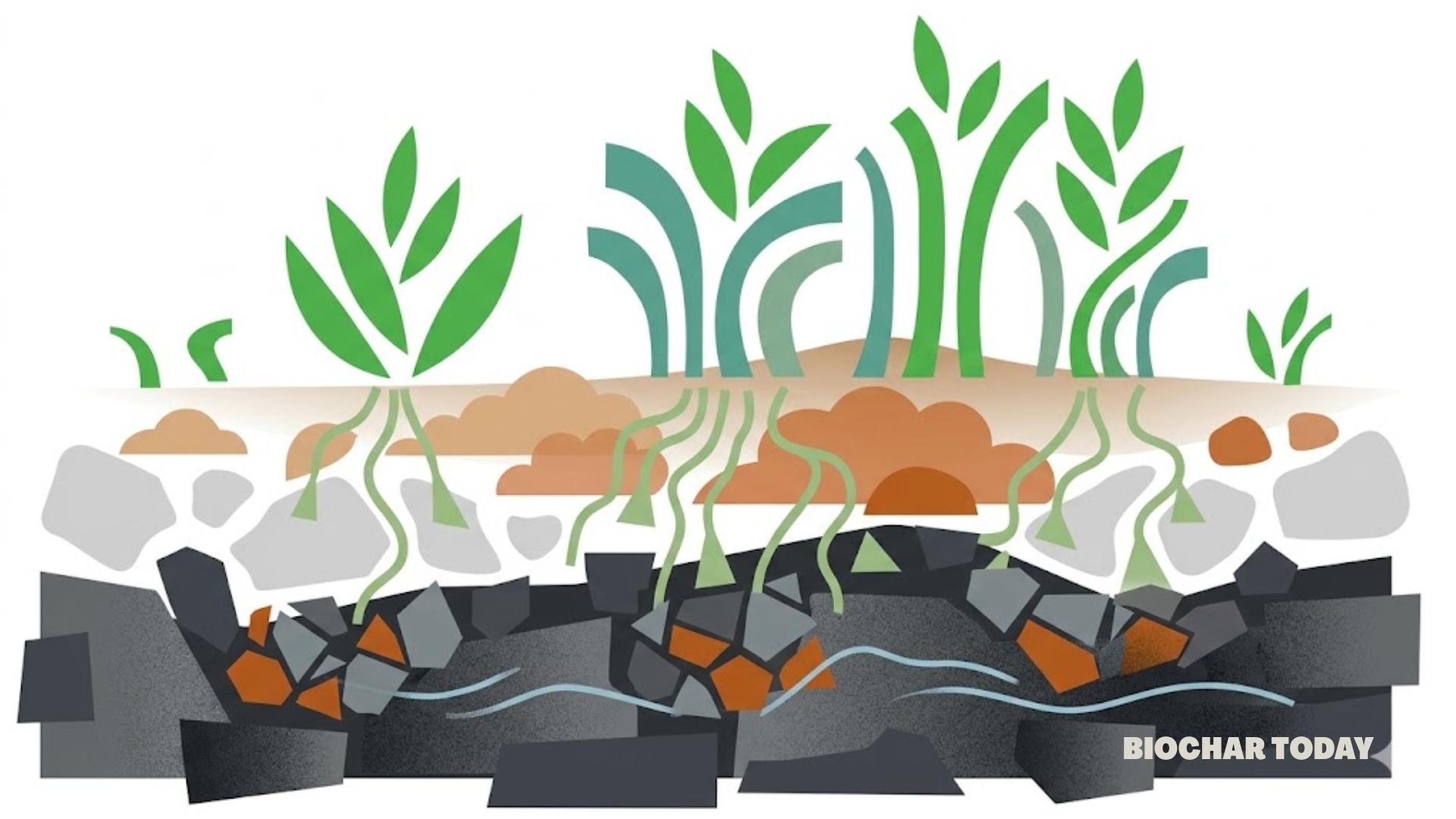
The research findings indicate that biochar particle size significantly alters soil hydraulic properties and salt distribution. In saline environments, large-size biochar particles—those greater than two millimeters—proved to be a highly effective tool for stress alleviation. These larger pieces create bigger pores in the soil, which improves aeration and facilitates the leachingLeaching is the process where nutrients are dissolved and carried away from the soil by water. This can lead to nutrient depletion and environmental pollution. Biochar can help reduce leaching by improving nutrient retention in the soil. More of soluble salts away from the sensitive root zone. In high-salinity treatments, the addition of large-particle biochar resulted in yields that were 36.5% higher than in salty soils without any biochar. This improvement was linked to lower electrical conductivity and reduced sodium levels in the root zone, as the improved soil structure allowed irrigation water to flush harmful ions deeper into the ground.
Conversely, the study revealed a potential risk when using small-particle biochar in salty ground. Small biochar particles increase the number of tiny micropores in the soil, which is excellent for holding water but can be detrimental in saline conditions. These fine particles tend to trap salt ions within the root zone instead of letting them wash away. Under high salt stress, the use of small-size biochar actually caused tomato yields to drop by as much as 44.2% compared to untreated salty soil. This suggests that the increased surface area of fine biochar, while beneficial for nutrient storage, can exacerbate the harmful osmotic effects of salinity by keeping toxic salts in close contact with the plant roots.
Interestingly, the behavior of small-particle biochar completely shifts when salt is removed from the equation. In soils without salinity stress, small-size biochar emerged as the clear winner, boosting tomato yields by 51.0%. This dramatic increase is attributed to the ability of fine particles to maximize the soil’s capacity for holding onto crucial moisture and nutrients. The larger reactive surface area of small particles promotes better nutrient cycling and makes water more readily available for plant uptake. For tomatoes grown in standard, healthy soil, this fine-textured amendment provided the optimal environment for growth, far outperforming the larger particles that provided less water-holding benefit.
Chemical analysis of the soil also showed that all biochar treatments, regardless of size, had some common impacts. The addition of biochar naturally increased the soil pH and total nitrogen levels, which is expected given the alkaline nature and nutrient content of straw-based biochar. Furthermore, the researchers noticed a significant reduction in soil calcium levels, ranging from 16.7% to 37.9%. This reduction was likely caused by the biochar surface selectively adsorbing calcium ions or helping them form larger soil aggregates. This chemical interaction was more pronounced with smaller particles because their extensive surface area provided more opportunities for the ions to bind to the biochar.
These results provide valuable practical guidance for the biochar industry and for farmers looking to reclaim marginal lands. The study makes it clear that there is no one-size-fits-all approach to biochar application. For those working with saline or degraded lands, processing biochar into larger granules is essential to ensure that the material helps rather than hinders salt management. Meanwhile, for standard agricultural operations where water conservation is the primary goal, grinding biochar into a fine powder will yield the most significant productivity gains. By matching biochar properties to specific soil conditions, growers can more effectively harness this green technology to ensure global food security and sustainable land use.
Source: Wu, Z., Fan, Y., Zhou, Z., Hao, X., & Kang, S. (2025). Interaction between biochar particle size and soil salinity levels on soil properties and tomato yield. Biochar, 7(30).


Leave a Reply