

Isometric has certified updates to its Biochar Production and Storage Protocol and expanded the associated BiocharBiochar is a carbon-rich material created from biomass decomposition in low-oxygen conditions. It has important applications in environmental remediation, soil improvement, agriculture, carbon sequestration, energy storage, and sustainable materials, promoting efficiency and reducing waste in various contexts while addressing climate change challenges. More Storage in Soil Environments Module. The update also introduces two new production modules, including one designed for distributed and small-scale biochar projects. These changes broaden the range of eligible project configurations while maintaining scientific oversight through the Isometric Standard and a review network of more than 300 academic experts and practitioners. The revisions follow a 30-day public consultation that incorporated feedback from suppliers, buyers, and researchers. The new modules allow biochar producers to design projects that align with both centralized industrial systems and decentralized production models.
The primary challenge addressed by these updates relates to project design flexibility and verification within the growing biochar carbon removal sector. Biochar projects vary widely in feedstockFeedstock refers to the raw organic material used to produce biochar. This can include a wide range of materials, such as wood chips, agricultural residues, and animal manure. More availability, production scale, and storage environments. Previous protocol structures limited some production approaches or required developers to adapt their systems to fit narrow methodological frameworks. This created barriers for smaller projects and distributed production systems, particularly in regions where transporting biomassBiomass is a complex biological organic or non-organic solid product derived from living or recently living organism and available naturally. Various types of wastes such as animal manure, waste paper, sludge and many industrial wastes are also treated as biomass because like natural biomass these More to centralized facilities is inefficient or economically impractical. Ensuring robust monitoring, reporting, and verification across diverse production models has therefore become a key issue for registries and project developers.
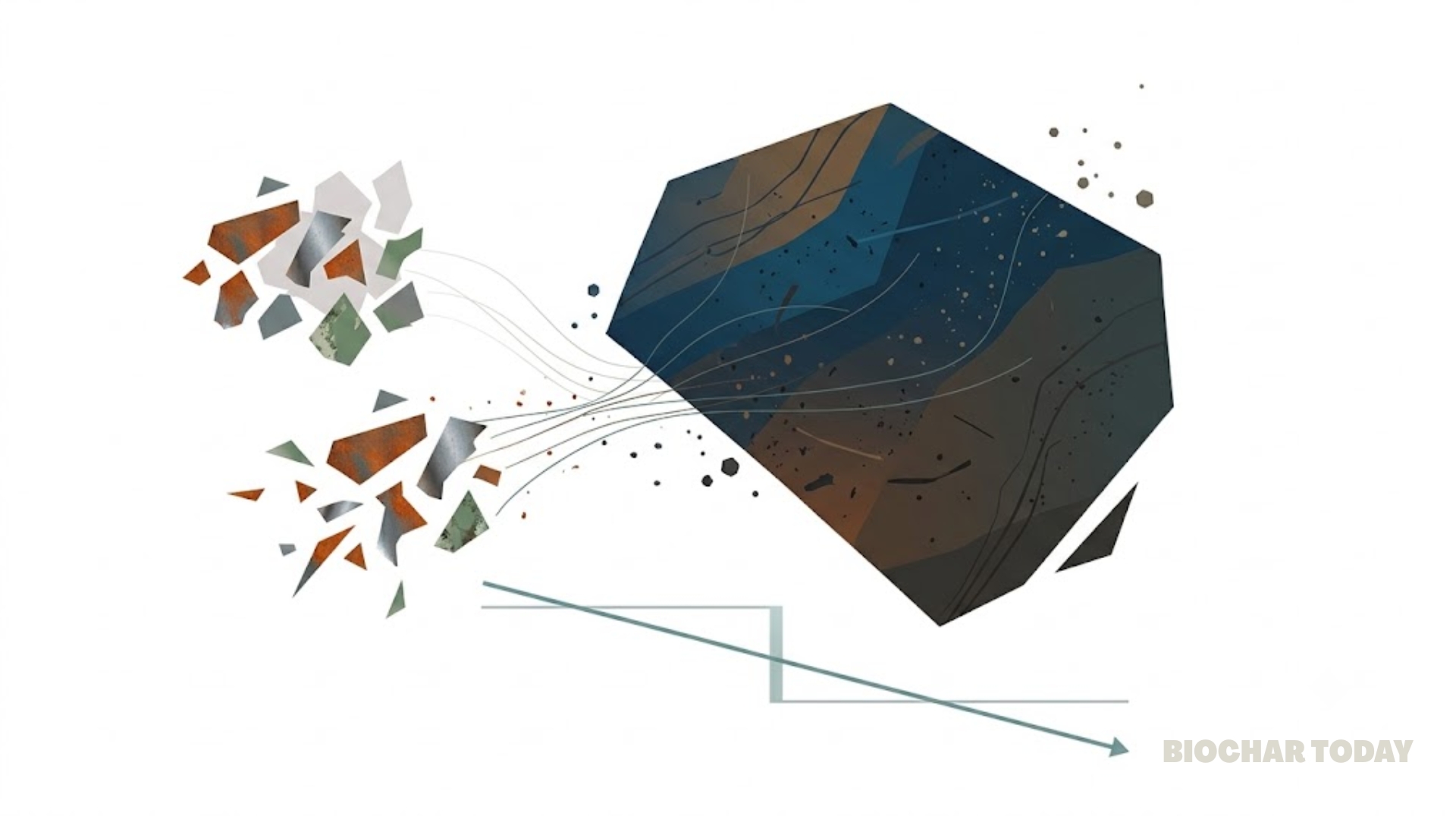
The solution proposed by Isometric involves a modular framework that expands recognized production pathways while preserving strict scientific requirements. The new distributed and small-scale production module establishes procedures for monitoring and verification in projects using decentralized networks of smaller reactors. The updated soil storage module also broadens eligible storage environments beyond agricultural soils to include forestry and amenity land. Additional provisions allow projects to stockpile biochar for up to twelve months before application and to blend biochar with organic materials such as compost, provided chain-of-custody and durability requirements are met. These adjustments are supported by clearer lifecycle documentation requirements and improved traceability guidance.
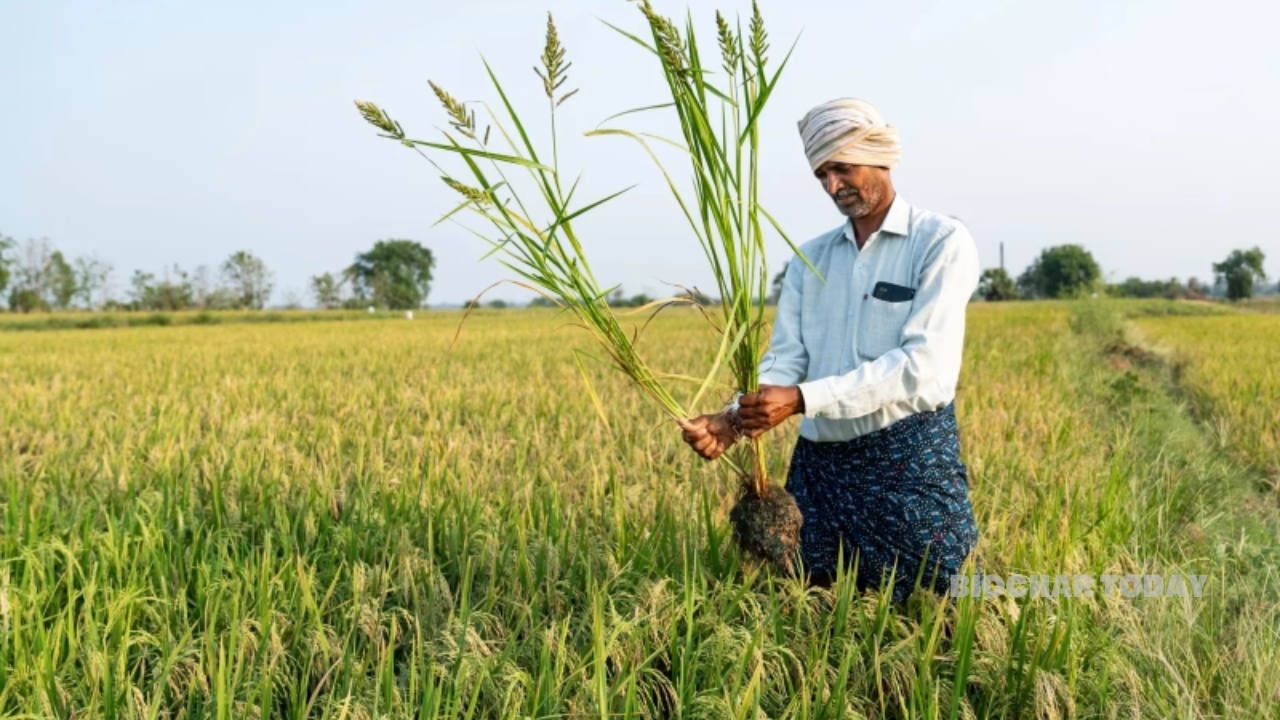
The outcome is a framework that allows project developers to deploy a wider range of biochar systems while maintaining consistent carbon accounting standards. Distributed production models, in particular, may enable localized conversion of biomass residues in agricultural regions where feedstock transport is challenging. By accommodating different scales of production and storage environments, the updated protocol supports the gradual expansion of biochar carbon removal projects while maintaining verification standards that are essential for credit issuance and buyer confidence.


Leave a Reply