
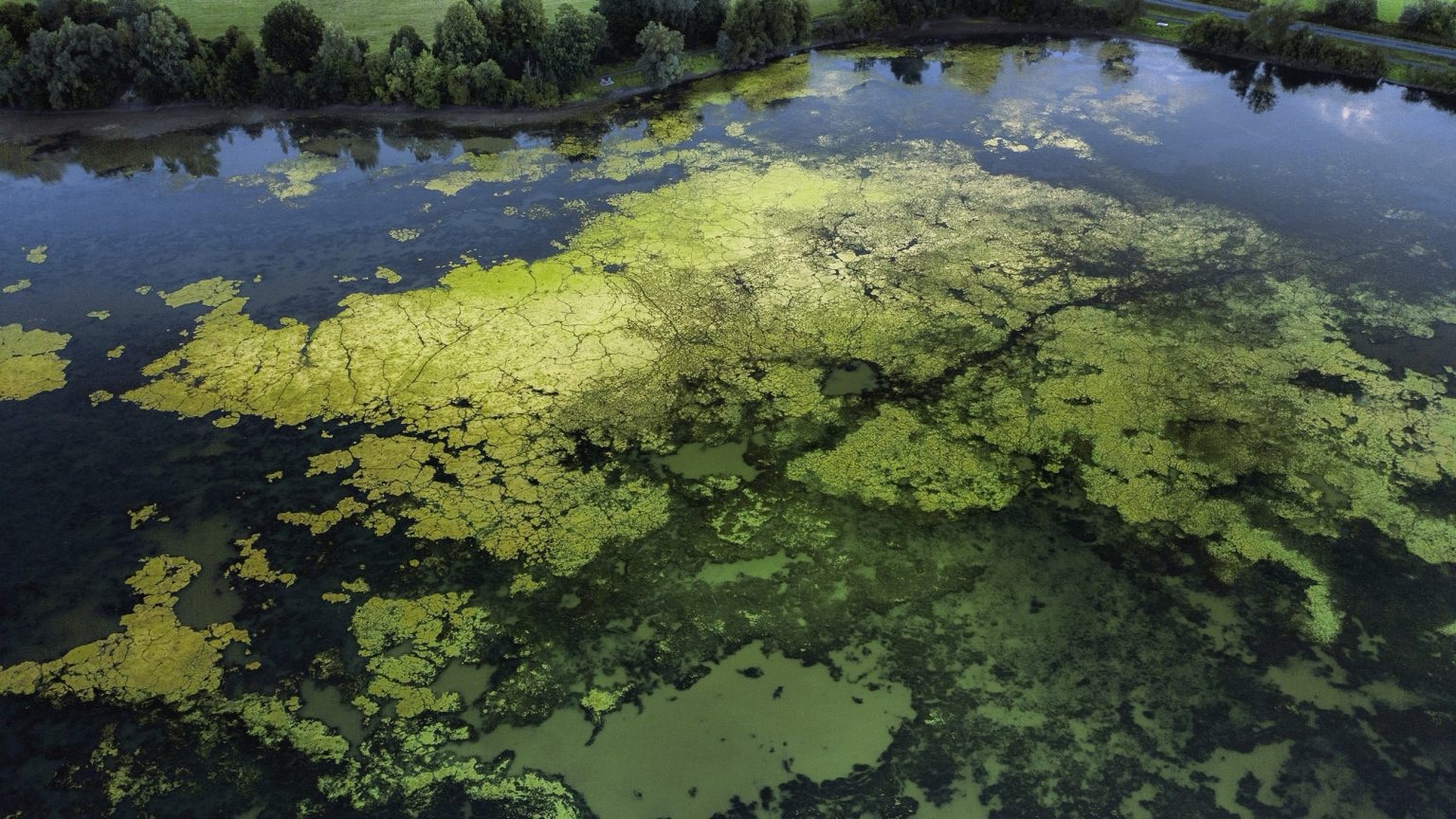
Researchers in Scotland are exploring an innovative solution to combat algal blooms by converting sewage sludge into biochar—a mineral-rich, charcoal-like material. Funded by the Industrial Biotechnology Innovation Centre (IBioIC) and Scottish Water, this project aims to create a water filter capable of removing excess phosphorus, a key contributor to algal blooms, from wastewater.
The biocharBiochar is a carbon-rich material created from biomass decomposition in low-oxygen conditions. It has important applications in environmental remediation, soil improvement, agriculture, carbon sequestration, energy storage, and sustainable materials, promoting efficiency and reducing waste in various contexts while addressing climate change challenges. More is produced by burning sewage sludge at high temperatures in an oxygen-deprived environment. This process not only safely eliminates toxins but also results in a material that could be integral to treating eutrophication-affected waters. With phosphorus reserves depleting globally, this method offers a dual benefit: preventing harmful blooms and recovering a vital mineral used in everyday products.
Scottish Water Horizons is testing the biochar at its Bo’ness facility, while experts from UHI North, West, and Hebrides, alongside water treatment specialists AL-2 Teknik, provide research support. The potential impact is significant, as Scotland disposes of around 130,000 tonnes of sewage waste annually at a cost of £6 million. This research could lead to sustainable, circular bioprocesses that not only treat wastewater but also create new supply chains.
The next phase involves on-site tests and discussions with regulators, with the possibility of establishing Scotland’s first biochar production facility. As climate change escalates, this project represents a promising step toward greener, more sustainable water management practices.
READ MORE: Scientists filter out opportunity to combat algal blooms with sewage waste



Leave a Reply