
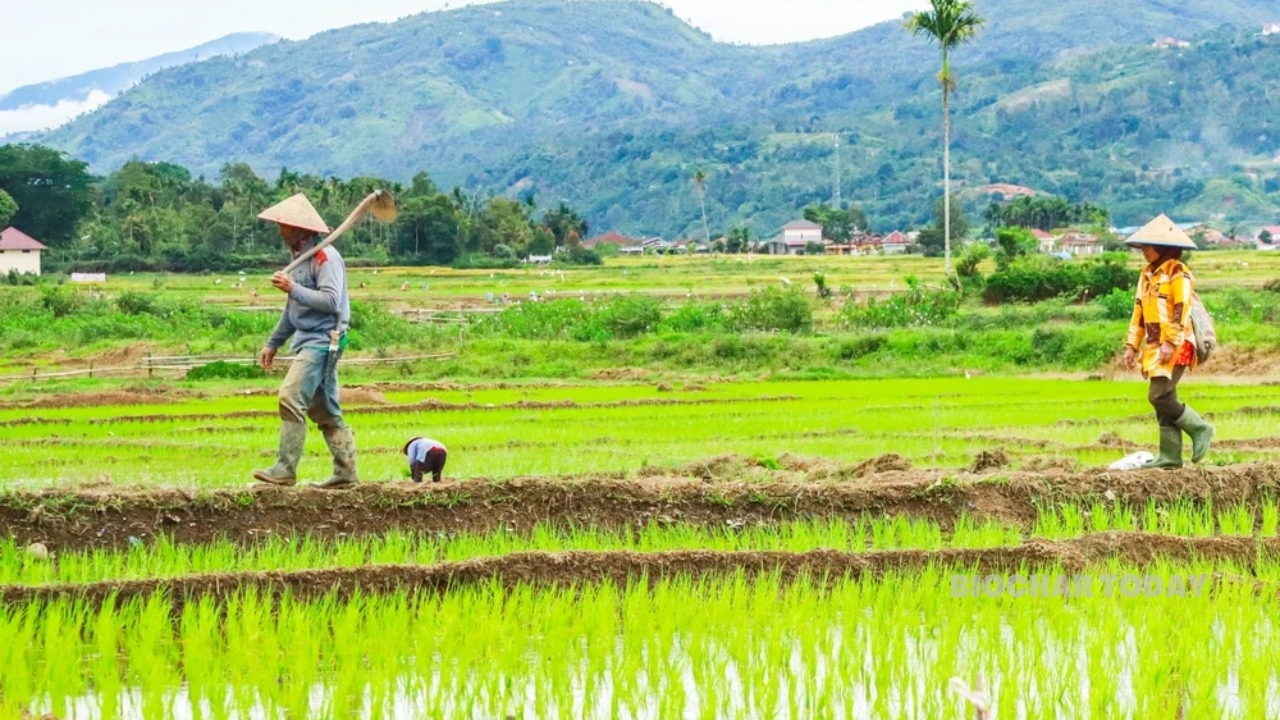
Indonesia has issued Minister of Agriculture Regulation No. 18 of 2026, establishing a formal governance framework for agricultural carbon credit projects spanning rice cultivation, livestock, and plantations. The legislation sets clear guidelines for project certification, emissions monitoring, and commercial participation while requiring project developers to enter into formal, binding agreements with local farming communities.
The primary challenge addressed by the regulation is the historical lack of structured access and equitable integration for smallholder farmers within emerging carbon markets. Without clear regulatory pathways, agricultural carbon initiatives faced hurdles regarding standardized carbon accounting, potential double counting, and opaque revenue distribution, which often left rural farming communities vulnerable to unequal compensation for land use and labor.
The regulatory solution mandates that commercial project developers collaborate directly with a minimum of three local farmer organizations near the project site. These partnerships require free, prior, and informed consent alongside written agreements detailing project responsibilities and flexible benefit-sharing arrangements. Compensation models are tailored dynamically based on specific project metrics, including technology costs, operational land size, the volume of emissions reduced, and total carbon credits generated. Furthermore, the framework outlines rigorous technical requirements—such as submitting Climate Change Mitigation Action Design Documents and securing independent verification—before credits can be registered in Indonesia’s national carbon registry, the Sistem Registri Unit Karbon.
Implementation of these rules aims to streamline agricultural participation in Indonesia’s expanding domestic and international carbon markets, which already feature active trading platforms like IDXCarbon. By offering structured protocols for practices such as alternate wetting and drying in rice paddies, improved soil management, and waste co-processing (including biocharBiochar is a carbon-rich material created from biomass decomposition in low-oxygen conditions. It has important applications in environmental remediation, soil improvement, agriculture, carbon sequestration, energy storage, and sustainable materials, promoting efficiency and reducing waste in various contexts while addressing climate change challenges. More and biogas integration), the framework seeks to secure domestic climate targets while driving financial incentives directly to smallholder farmers.




Leave a Reply