
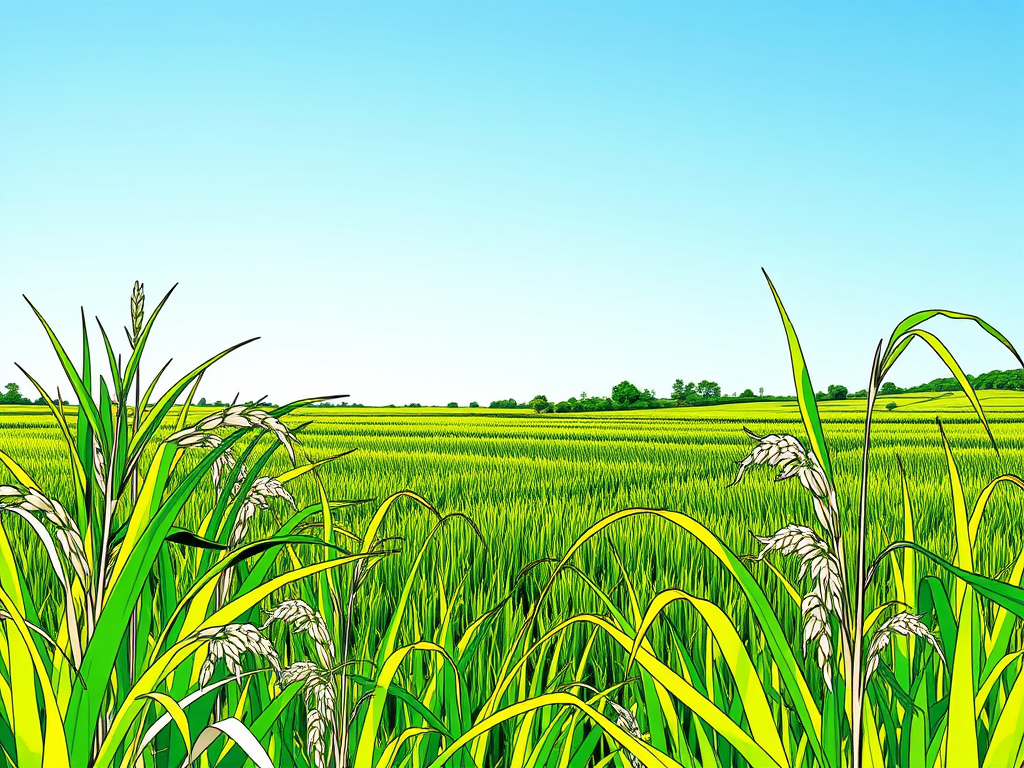
In a recent study published in Current Research in Environmental Sustainability, Arindam Datta and colleagues reveal that India’s surplus crop residues could be a valuable resource for biocharBiochar is a carbon-rich material created from biomass decomposition in low-oxygen conditions. It has important applications in environmental remediation, soil improvement, agriculture, carbon sequestration, energy storage, and sustainable materials, promoting efficiency and reducing waste in various contexts while addressing climate change challenges. More production, offering a promising solution to mitigate air pollution and improve soil health. The research highlights that India generates 156 Mt of surplus crop residues annually, which, if converted to biochar, could yield 34.5 Tg of this beneficial material.
Crop residue burning is a significant environmental issue in India, particularly in the northwestern states, where it contributes to air pollution and nutrient loss. This practice releases harmful pollutants, including particulate matter, carbon monoxide, and greenhouse gases, into the atmosphere. Biochar, produced from the anaerobic thermochemical decomposition of crop residues, offers an alternative.
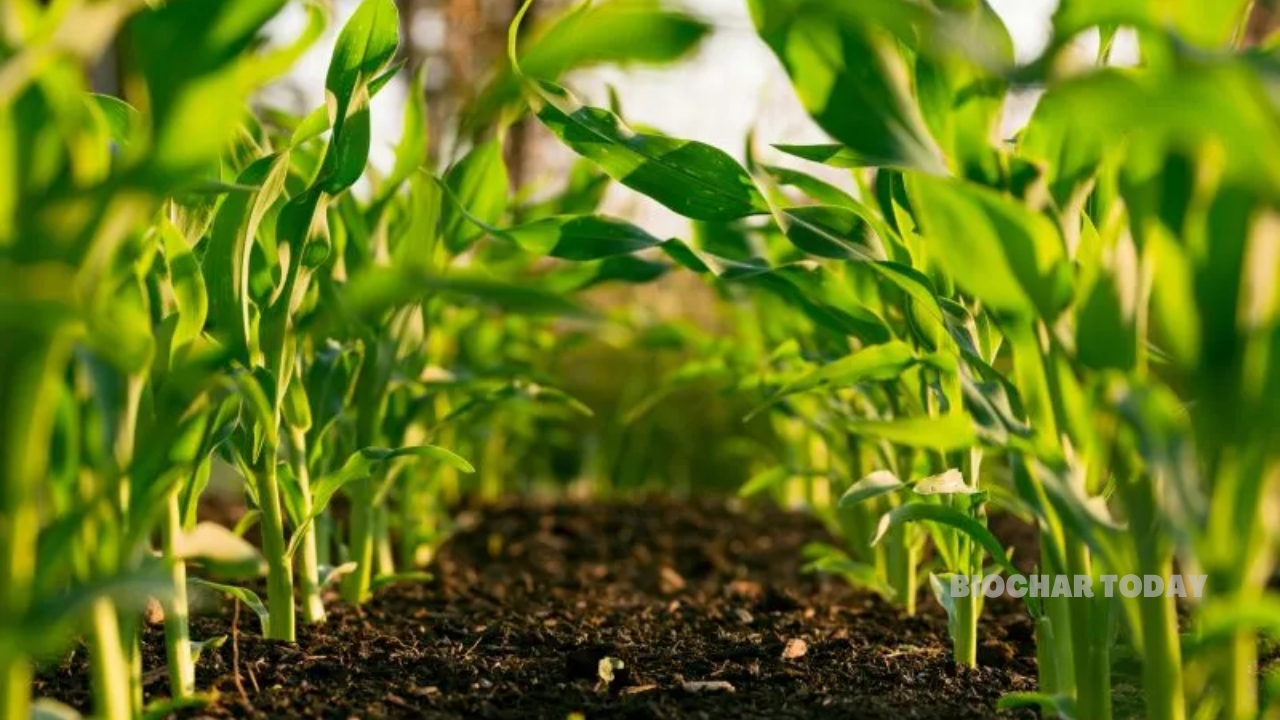
The study indicates that biochar production could reduce greenhouse gas emissions by 405 Tg CO2 eq annually. Additionally, applying biochar to soil could sequester 7.5 Tg of carbon, enhancing soil fertility, moisture content, and overall health. The authors emphasize the spatial variation of crop residue availability across India, with rice residue biomassBiomass is a complex biological organic or non-organic solid product derived from living or recently living organism and available naturally. Various types of wastes such as animal manure, waste paper, sludge and many industrial wastes are also treated as biomass because like natural biomass these More having the highest potential in Sangrur, Punjab.
However, the study also points out the importance of considering the competition between biochar and other crop residue management technologies. A comprehensive life cycle assessment is necessary to ensure the sustainable management of crop residues and maximize environmental benefits.
This research provides valuable insights for policymakers and agricultural stakeholders in India. By understanding the spatial distribution of crop residues and their potential for biochar production, targeted strategies can be developed to promote sustainable agricultural practices, reduce environmental pollution, and mitigate climate change.
SOURCE: Datta, A., Dutta, S., Sharma, S., & Rahman, M. H. (2025). Spatial variation of biochar production potential from surplus crop residues in India. Current Research in Environmental Sustainability, 9, 100279.



Leave a Reply