
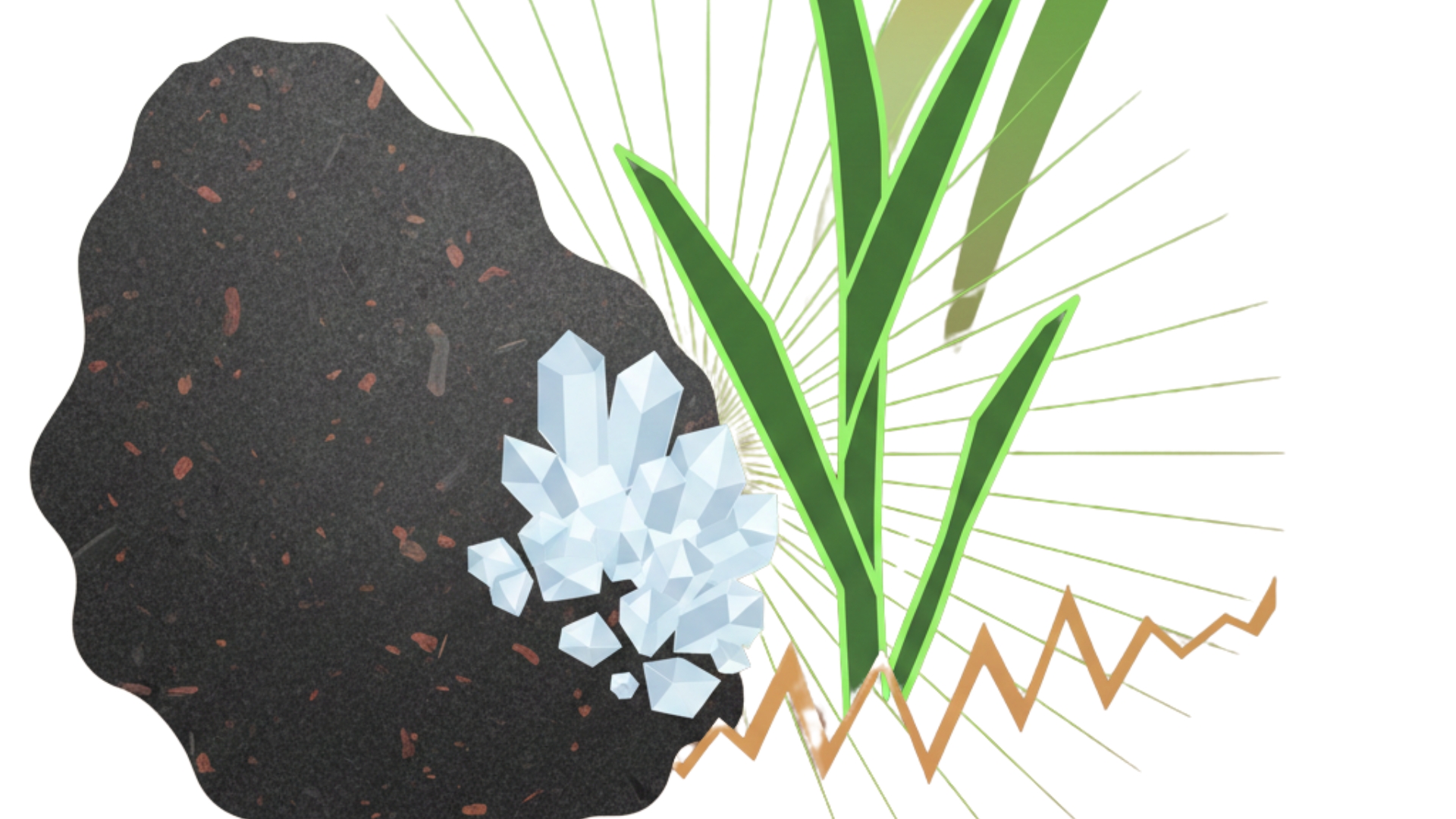
Key Takeaways
- Combining tea waste biocharBiochar is a carbon-rich material created from biomass decomposition in low-oxygen conditions. It has important applications in environmental remediation, soil improvement, agriculture, carbon sequestration, energy storage, and sustainable materials, promoting efficiency and reducing waste in various contexts while addressing climate change challenges. More with natural zeolite increases maize height and weight significantly even when plants are exposed to contaminated water.
- The use of these soil amendments dramatically reduces the amount of weed killer that enters and remains within the plant tissues.
- These natural materials improve soil quality by holding onto essential nutrients like nitrogen and potassium so plants can grow stronger.
- Adding these recycled materials to the soil helps plants maintain their green color and continue producing energy through photosynthesis during stress.
- Using waste products from tea production offers a low-cost and environmentally friendly way for farmers to protect their crops and improve yields.
The excessive application of glyphosate herbicide in modern agriculture has created a significant challenge for crop productivity and soil health. In a study published in Scientific Reports, lead author Subhan Danish and a team of researchers investigated how recycled agricultural waste could protect staple crops like maize from the toxic effects of herbicide-contaminated irrigation water. The researchers focused on the synergistic potential of tea waste biochar and natural zeolite to act as a shield for plants, ensuring that growth remains robust even in suboptimal environmental conditions. By transforming tea production leftovers into a stable, carbon-rich biochar soil amendmentA soil amendment is any material added to the soil to enhance its physical or chemical properties, improving its suitability for plant growth. Biochar is considered a soil amendment as it can improve soil structure, water retention, nutrient availability, and microbial activity. More, the study highlights a circular economy approach that addresses both waste management and food security.
The findings reveal that glyphosate stress typically disrupts a plant’s internal chemistry, specifically blocking the pathways necessary for protein synthesis and energy production. This disruption often leads to stunted roots, yellowing leaves, and a significant loss in total plant mass. However, the introduction of tea waste biochar and zeolite into the soil effectively mitigated these damages. The porous nature of the biochar combined with the high exchange capacity of the zeolite allowed the soil to trap the herbicide residues, preventing them from being absorbed by the maize roots. This resulted in a cleaner internal environment for the plants, allowing them to focus their energy on development rather than fighting chemical toxicity.
Quantitatively, the results of the experiment were striking. When maize plants were treated with a specific combination of 0.60% tea waste biochar and 5% zeolite, they exhibited a nearly 50% increase in root length and a 58.47% increase in shoot dry weight compared to plants grown without these amendments. Beyond physical size, the internal health of the maize improved as well. The researchers observed a significant rise in the concentration of essential nutrients like nitrogen, phosphorus, and potassium within the leaves. This improved nutrient status directly supported higher rates of photosynthesis and chlorophyll maintenance, which are the fundamental drivers of crop yield.
Furthermore, the study highlighted the role of these amendments in managing oxidative stress. Under normal conditions, herbicide exposure causes a buildup of harmful molecules that damage plant cells, but the biochar and zeolite treatment helped regulate the plant’s natural antioxidant levels. By stabilizing the soil’s physical structure and chemical balance, these materials ensured that the maize could maintain its physiological functions. This integrated management approach not only cleanses the immediate root zone of toxins but also provides a slow-release source of minerals that supports long-term plant resilience.
In conclusion, the research provides a practical and cost-effective roadmap for farmers dealing with contaminated water sources or degraded soils. By utilizing 0.60% tea waste biochar and 5% zeolite, growers can achieve substantially higher productivity while reducing the chemical footprint within the food chain. This strategy turns common agricultural waste into a high-value tool for sustainable farming, proving that eco-friendly soil management can go hand-in-hand with aggressive growth targets in modern maize production.
Source: Danish, S., Alotaibi, M. O., Saima, S., Najeeb, S., Ghoneim, A. M., & Mahmoud, E. (2026). Effect of tea waste biochar and zeolite on maize growth and glyphosate uptake irrigated with glyphosate contaminated water. Scientific Reports.



Leave a Reply