
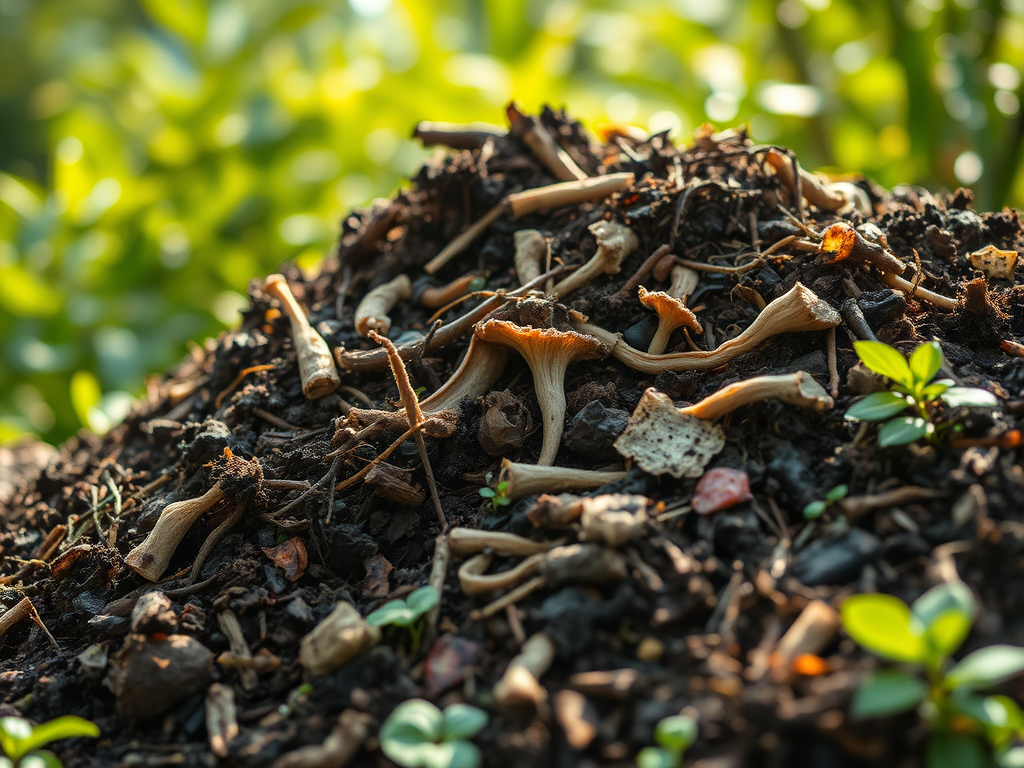
In a world drowning in trash, finding ways to recycle and reuse waste is more important than ever. Tahsini et al., in a study published in BiocharBiochar is a carbon-rich material created from biomass decomposition in low-oxygen conditions. It has important applications in environmental remediation, soil improvement, agriculture, carbon sequestration, energy storage, and sustainable materials, promoting efficiency and reducing waste in various contexts while addressing climate change challenges. More, explored a novel approach to composting municipal solid waste (MSW)Municipal Solid Waste (MSW) is the everyday trash or garbage produced by households and businesses. It includes a variety of materials, such as food scraps, paper, plastics, and yard waste. MSW forms a potential feedstock category for biochar production provided that it should be free More. The researchers investigated the use of biochar, a charcoal-like material, and microbial inoculation to enhance the composting process and improve the quality of the final product.
Five experimental compost piles were created, including a control pile without biochar and piles amended with either biochar or microbial-inoculated biochar. The composting process was monitored by analyzing various physicochemical and biological parameters.
The results showed that piles amended with inoculated biochar exhibited higher microbial activity, leading to increased decomposition of organic matter. Notably, the piles amended with biochar inoculated with a bacterial consortium and a bacterial-fungal consortium achieved the highest composting temperatures and produced the best quality compost. The final compost had a desirable carbon-to-nitrogen ratio, good germination index, and acceptable fecal coliform levels.
This study highlights the potential of using biochar and microbial inoculation to improve MSW composting. By enhancing microbial activity and accelerating the composting process, this approach can lead to more efficient waste management and the production of high-quality compost.
SOURCE: Tahsini, M. J., Nikaeen, M., Mohammadi, F., Taghipour, A., Tahmasebi, M., & Nafez, A. H. (2025). Composting of municipal solid waste with microbial-inoculated biochar amendment: Impact on process and end-product quality. Biochar, 7(1), 25. https://doi.org/10.1007/s42773-025-00426-6 Sources and related content


Leave a Reply