
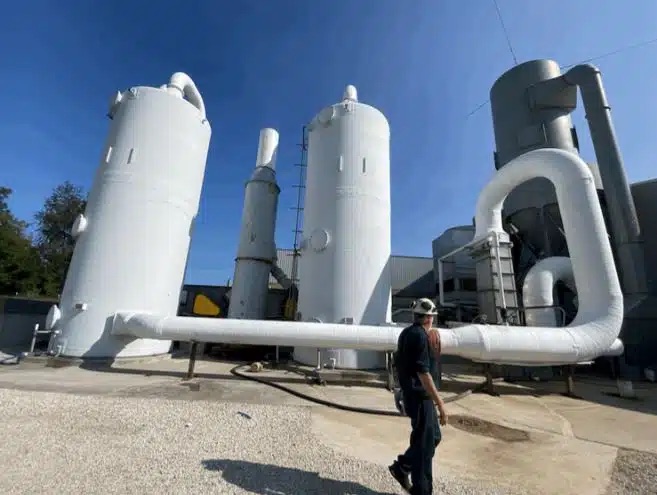
Earthcare is pioneering a new path in biocharBiochar is a carbon-rich material created from biomass decomposition in low-oxygen conditions. It has important applications in environmental remediation, soil improvement, agriculture, carbon sequestration, energy storage, and sustainable materials, promoting efficiency and reducing waste in various contexts while addressing climate change challenges. More production by using unconventional, high-ash feedstocks—such as wastewater biosolids, manure, and municipal solid waste (MSW)Municipal Solid Waste (MSW) is the everyday trash or garbage produced by households and businesses. It includes a variety of materials, such as food scraps, paper, plastics, and yard waste. MSW forms a potential feedstock category for biochar production provided that it should be free More digestate—to create a valuable and sustainable product. With 12 gasifiers already in operation and more in development, the company is scaling a model that turns problematic waste into biochar, an ancient soil amendmentA soil amendment is any material added to the soil to enhance its physical or chemical properties, improving its suitability for plant growth. Biochar is considered a soil amendment as it can improve soil structure, water retention, nutrient availability, and microbial activity. More now serving modern environmental needs.
Traditional biochar is made from wood and crop residues and used primarily to enrich soil. Earthcare expands this approach by gasifying difficult organic wastes. These materials often contain heavy metals and persistent pollutants such as PFAS and microplastics. Earthcare’s gasificationGasification is a high-temperature, thermochemical process that converts carbon-based materials into a gaseous fuel called syngas and solid by-products. It takes place in an oxygen-deficient environment at temperatures typically above 750°C. Unlike combustion, which fully burns material to produce heat and carbon dioxide (CO2), gasification More process not only transforms waste into a stable, carbon-rich char but also captures or destroys contaminants. Tests show the process reduces detectable PFAS to negligible levels and prevents microplastics from ending up in the final product.
The company’s systems handle 40 dry tons of feedstockFeedstock refers to the raw organic material used to produce biochar. This can include a wide range of materials, such as wood chips, agricultural residues, and animal manure. More per day, producing 8 to 14 tons of biochar depending on the material’s composition. Higher-ash materials yield more char. Farmers, municipal facilities, and landfill operators who grapple with waste management challenges are increasingly turning to Earthcare’s solution. In many cases, waste that previously created environmental or regulatory issues can now become a marketable or internally useful product.
A notable example is Minnich Eggs, which is adopting Earthcare’s system to manage poultry manure. By drying and gasifying the waste, the farm gains a consistent and more valuable product while reducing odor, moisture-related risks, and fossil fuel use.
Beyond agricultural benefits, Earthcare’s model appeals to companies pursuing sustainability goals. Projects are certified by Puro.earth, and verified to cut greenhouse gases by 30% while reducing biosolids volume by 95%. Some customers opt to purchase the systems; others simply pay for processing and avoid the costs and liabilities associated with traditional disposal.
Earthcare’s gasification-based approach offers an effective, scalable alternative to anaerobic digestion, positioning it as a promising tool in the broader shift toward circular waste management. With upcoming projects across multiple states and industries, Earthcare is poised to make significant contributions to waste reduction, soil health, and climate mitigation.



Leave a Reply