

The City of Coral Gables, located in the United States, has initiated a pioneering climate technology project in collaboration with Carbon Standard to utilize biocharBiochar is a carbon-rich material created from biomass decomposition in low-oxygen conditions. It has important applications in environmental remediation, soil improvement, agriculture, carbon sequestration, energy storage, and sustainable materials, promoting efficiency and reducing waste in various contexts while addressing climate change challenges. More for urban carbon sequestration. This initiative focuses on converting local organic waste—primarily yard trimmings and landscaping debris—into biochar, which is then used in city landscaping and soil restoration projects. By formalizing this process through a recognized carbon accounting framework, the city aims to generate high-integrity carbon removal credits, positioning itself as a leader in municipal-scale climate action.
A significant challenge addressed by this project is the management of urban organic waste and the high cost of traditional carbon capture methods. Historically, city organic waste was either mulched or sent to landfills, where it would decompose and release methane, a potent greenhouse gas. Furthermore, municipal governments often face financial hurdles in funding large-scale sustainability projects without external investment or revenue streams, such as those provided by environmental credit markets.
The solution involves the deployment of modular pyrolysisPyrolysis is a thermochemical process that converts waste biomass into bio-char, bio-oil, and pyro-gas. It offers significant advantages in waste valorization, turning low-value materials into economically valuable resources. Its versatility allows for tailored products based on operational conditions, presenting itself as a cost-effective and efficient More units that process biomassBiomass is a complex biological organic or non-organic solid product derived from living or recently living organism and available naturally. Various types of wastes such as animal manure, waste paper, sludge and many industrial wastes are also treated as biomass because like natural biomass these More waste on-site, effectively “locking” carbon into a stable, solid form for centuries. Coral Gables partnered with Carbon Standard to certify these removals, ensuring that every ton of biochar produced meets rigorous transparency and durability requirements. This framework allows the city to sell carbon credits to private corporations seeking to offset their unavoidable emissions, thereby creating a self-sustaining financial model for its environmental initiatives.
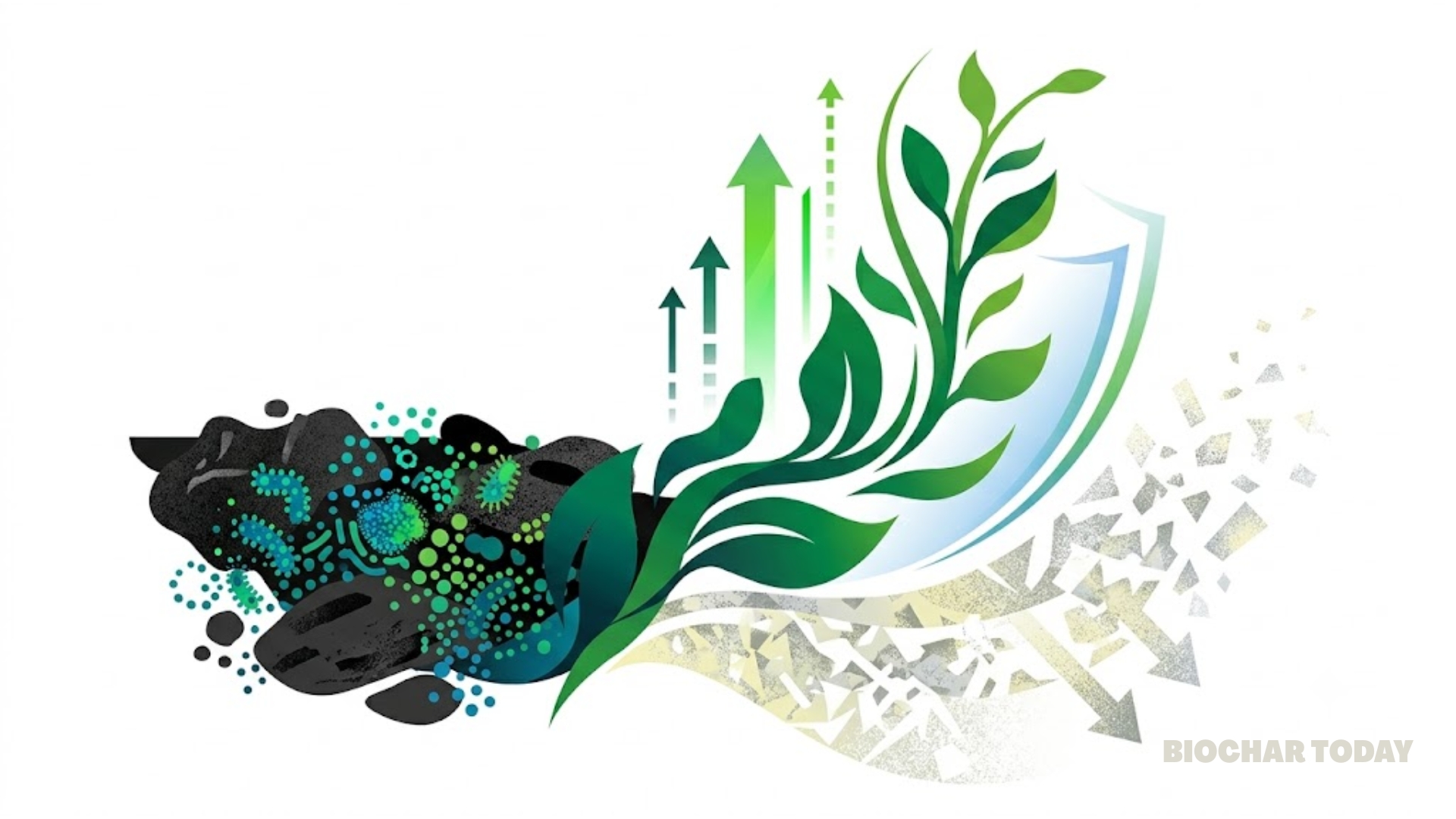
As a result of this partnership, Coral Gables has successfully diverted thousands of tons of organic waste from landfills while improving the water-retention and nutrient-holding capacity of its public soils. The generation of certified carbon credits has provided a new revenue stream that offsets the operational costs of the pyrolysis equipment. This model serves as a scalable blueprint for other municipalities globally, demonstrating that urban waste management can be transformed into a valuable tool for both soil health and climate mitigation.



Leave a Reply