
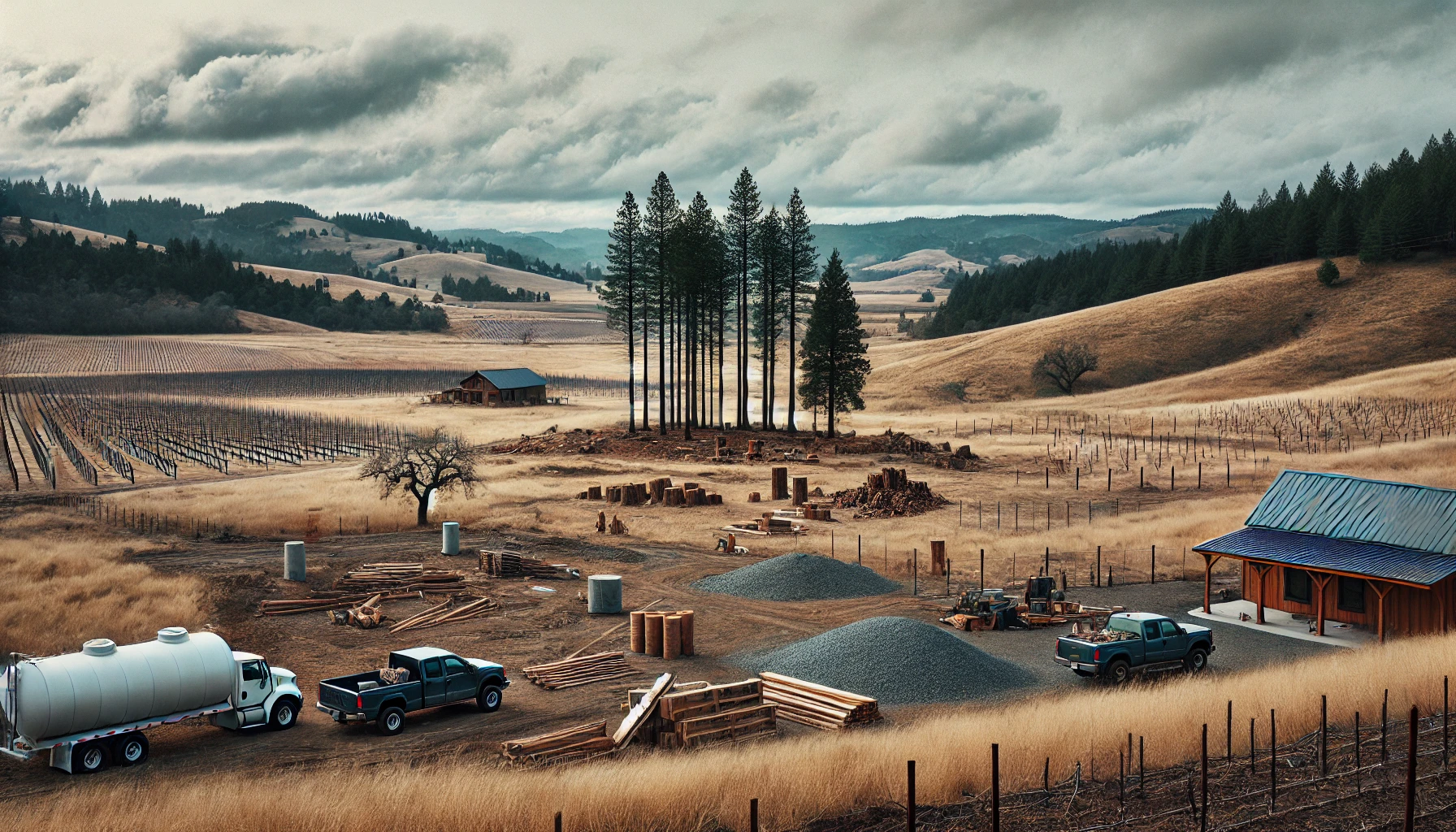
At a February 19 meeting of western Region Town Hall, long-time Upper Lake, CA resident Barbara Morris voiced strong concerns about a proposed biocharBiochar is a carbon-rich material created from biomass decomposition in low-oxygen conditions. It has important applications in environmental remediation, soil improvement, agriculture, carbon sequestration, energy storage, and sustainable materials, promoting efficiency and reducing waste in various contexts while addressing climate change challenges. More plant on a 40-acre site owned by the Lake County Water Protection District. The land, purchased to mitigate flooding and enhance wildlife habitat, has been leased to Scotts Valley Energy Company for 15 years at $100 per year, with only five acres designated for the facility.
Morris highlighted several issues, including the site’s location in a floodplain and its proximity to wetlands, a preschool, and a mobile home park. She pointed out that the project received federal funding but lacks a required National Environmental Policy Act (NEPA) review. She also raised concerns about air quality, potential environmental hazards, and the project’s impact on agricultural land.
According to Morris, the project includes constructing a 1,000-foot-long road and storing large quantities of wood chips, raising fears about flood risks and pollution. She also questioned the validity of Scotts Valley Energy’s application, citing input from an engineer who noted the lack of licensed professionals involved in the project’s planning.
Tom Jordan, CEO of Scotts Valley Energy, disputed some of Morris’s claims, stating that air quality risks had been addressed and that biochar storage concerns were inaccurate. However, Morris maintained that without a NEPA review, federal support for the project should not be allowed.
With Upper Lake facing potential flooding in the coming years, residents continue to question whether the biochar plant is an appropriate use of the land.
READ MORE: Western Region Town Hall biochar update questions suitability for industry on agricultural land





Leave a Reply