
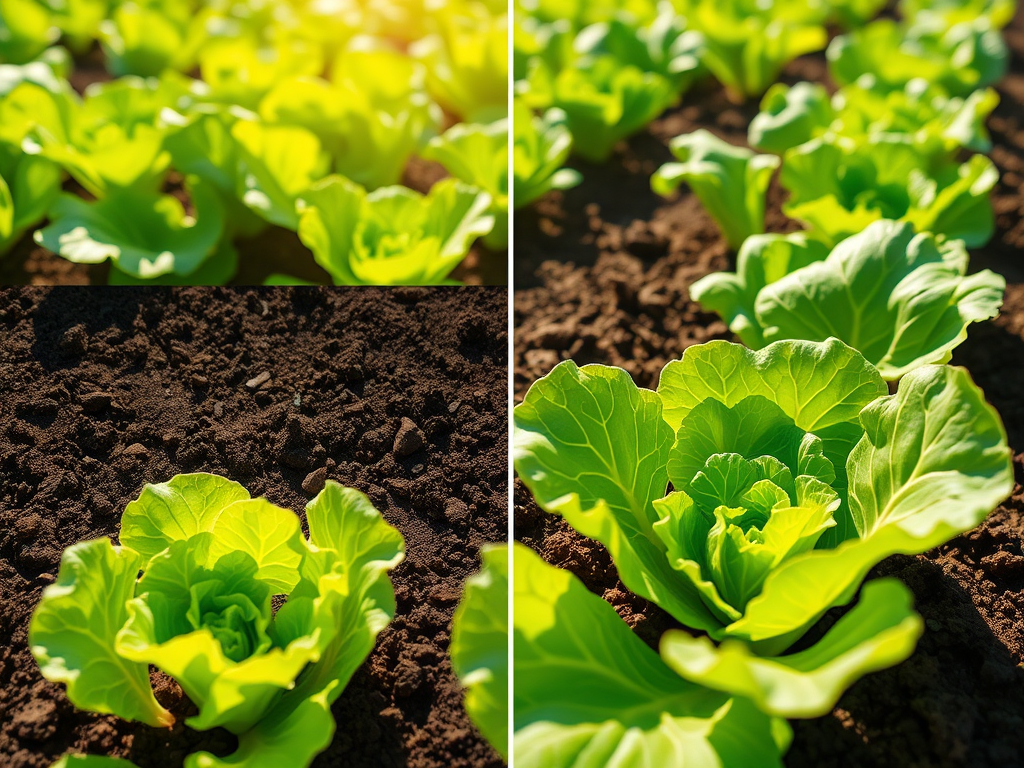
An agricultural study has uncovered a highly effective method for cleaning up soil contaminated with oxytetracycline (OTC) antibiotics. The research, published in the journal BiocharBiochar is a carbon-rich material created from biomass decomposition in low-oxygen conditions. It has important applications in environmental remediation, soil improvement, agriculture, carbon sequestration, energy storage, and sustainable materials, promoting efficiency and reducing waste in various contexts while addressing climate change challenges. More, highlights a strategy that combines biochar—a charcoal-like substance—with a specific type of carbohydrate. This approach not only helps degrade the antibiotic but also promotes healthy plant growth.
The study, led by Jiefeng Zeng and Peiling Yang, along with their colleagues, focused on three different carbohydrate carbon sources (CCS): glucose, sucrose, and starch. They compared the effects of each combination with a control group and a biochar-only group. Their results showed that while biochar alone was effective at reducing the transfer of OTC to lettuce leaves by about 0.51−1.23 mg kg−1 and increased soil degradation efficiency by 22% to 67%, it was not enough to fully neutralize the antibiotic’s toxicity. In fact, biochar on its own can prolong the antibiotic’s presence in the soil, which poses a risk to microbial activity.
However, combining biochar with carbohydrate carbon sources dramatically improved the outcome. The researchers found that all three combinations significantly enhanced OTC degradation efficiency: biochar-glucose (BCG) and biochar-sucrose (BCSU) treatments achieved 87% and 86% degradation, respectively. The most effective treatment was biochar combined with starch (BCST), which achieved a 92% degradation efficiency. This success is attributed to the slow-release nature of starch, which continuously supplies carbon to soil microorganisms, sustaining the activity of key enzymes called oxidoreductases.
The different carbohydrate sources showed distinct effects on the soil’s microbial environment. Glucose and sucrose, being fast-acting sugars, caused a rapid, short-term spike in microbial activity and enzyme secretion. However, once these simple sugars were consumed, the activity quickly declined. Starch, by contrast, decomposed gradually, leading to a steady increase in soil enzyme activity and a 55% increase in microbial biomassBiomass is a complex biological organic or non-organic solid product derived from living or recently living organism and available naturally. Various types of wastes such as animal manure, waste paper, sludge and many industrial wastes are also treated as biomass because like natural biomass these More carbon (MBC) over the course of the experiment. This sustained microbial support was a major reason why the BCST treatment was so effective, reducing the OTC’s half-life in the soil to roughly 8 days.
The positive effects weren’t limited to the soil. The BCST treatment also significantly improved plant health. Although there were no major differences in the overall biomass of the lettuce plants across treatments, the BCST group showed a notable improvement in nutrient uptake and chlorophyll synthesis. Specifically, this treatment led to a 36.67% increase in total nitrogen (TN) content in the lettuce leaves and a 40.65% increase in SPAD values, a measure of chlorophyll content. By mitigating the toxic effects of the antibiotic, the BCST combination allowed the plants to thrive and absorb nutrients more effectively.
This research provides a clear, effective strategy for cleaning up soils contaminated with non-prescription drugs. The study’s findings suggest that combining biochar with starch is a superior approach for long-term soil remediation and for improving crop health in polluted agricultural environments. The authors recommend further research to evaluate the economic feasibility and broad applicability of this method across various soil types and crops to support its widespread use in agricultural practices.
Source: Zeng, J., Wang, X., He, X., Gao, Z., Zeng, F., Zheng, Q., & Yang, P. (2025). Enhancing oxytetracycline degradation and reducing its transfer to lettuce using biochar combined with carbohydrate carbon sources. Biochar, 7(103).



Leave a Reply