
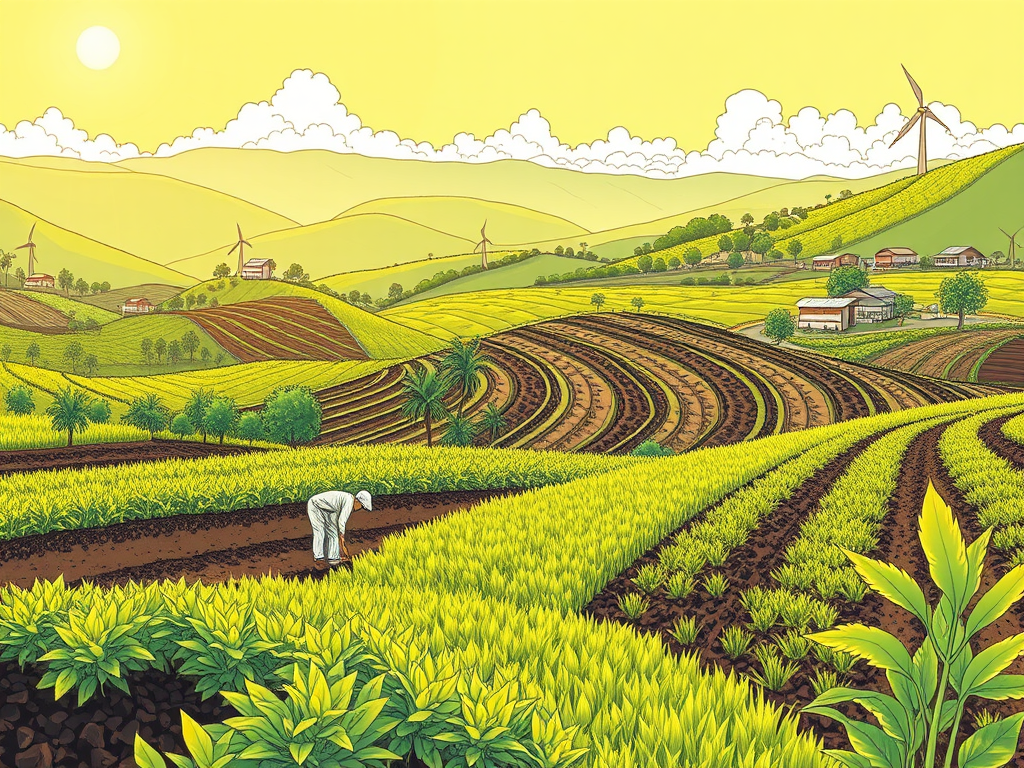
BiocharBiochar is a carbon-rich material created from biomass decomposition in low-oxygen conditions. It has important applications in environmental remediation, soil improvement, agriculture, carbon sequestration, energy storage, and sustainable materials, promoting efficiency and reducing waste in various contexts while addressing climate change challenges. More, a carbon-rich substance produced from biomassBiomass is a complex biological organic or non-organic solid product derived from living or recently living organism and available naturally. Various types of wastes such as animal manure, waste paper, sludge and many industrial wastes are also treated as biomass because like natural biomass these More like wood and manure, is gaining recognition for its dual ability to improve soil and combat climate change, as detailed in a report by Kishimoto-Mo et al., in the Green Asia Report Series. This report highlights biochar’s agronomic benefits, including increased soil fertility and pHpH is a measure of how acidic or alkaline a substance is. A pH of 7 is neutral, while lower pH values indicate acidity and higher values indicate alkalinity. Biochars are normally alkaline and can influence soil pH, often increasing it, which can be beneficial More modulation, alongside its environmental benefits, notably carbon sequestration.
Biochar’s effectiveness as a soil amendmentA soil amendment is any material added to the soil to enhance its physical or chemical properties, improving its suitability for plant growth. Biochar is considered a soil amendment as it can improve soil structure, water retention, nutrient availability, and microbial activity. More is closely linked to its physical and chemical characteristics, which vary with the biomass used and production methods. The report emphasizes that while wood-based biochar is rich in carbon, manure-based biochar provides more nutrients. These properties enhance soil structure, water retention, and microbial activity, promoting healthier soil ecosystems.
A key focus of the report is biochar’s role in carbon dioxide removal (CDR), a crucial strategy for mitigating climate change. The authors highlight that biochar can store significant amounts of carbon in the soil, thereby reducing atmospheric greenhouse gasses. The report introduces a method to estimate soil carbon sequestration using biochar, crucial for accurately quantifying its climate change mitigation potential.
However, the report also acknowledges the environmental footprint of biochar production, noting that the production processes can lead to carbon emissions. To ensure biochar’s environmental viability, the authors stress the importance of life cycle assessments (LCAs) to account for these emissions.
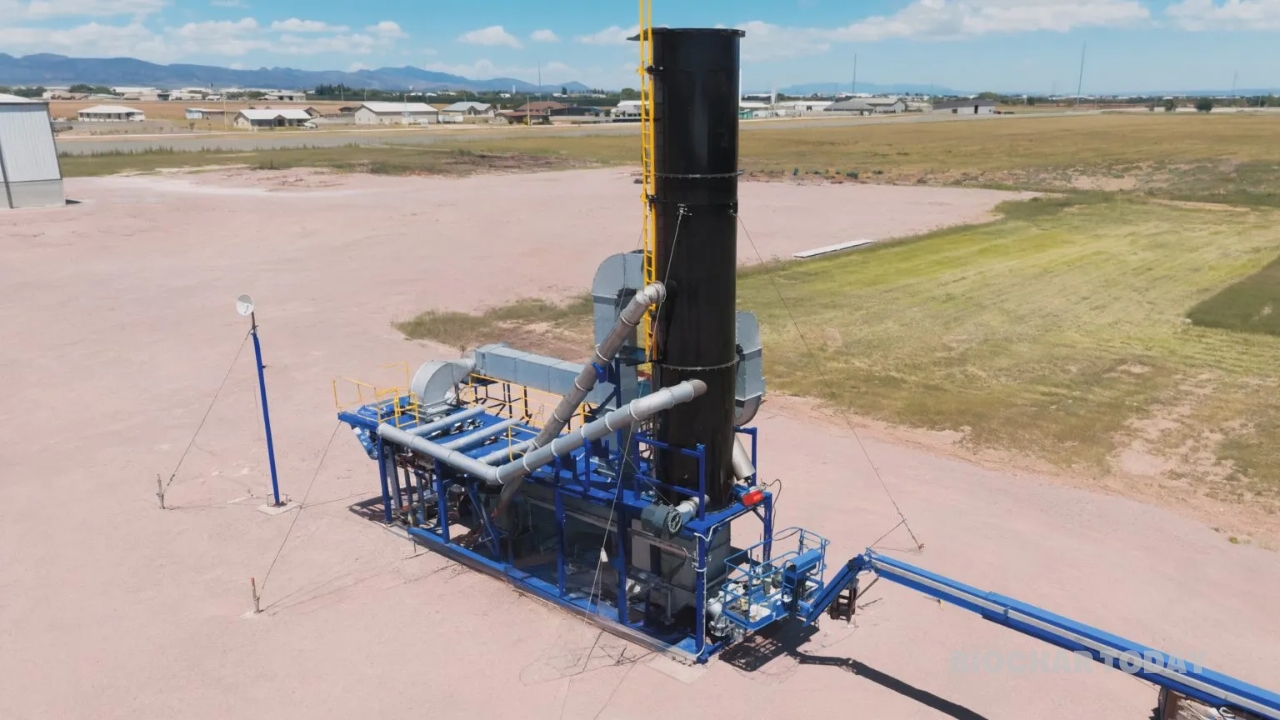
The report further discusses biochar’s production methods, advocating for slow pyrolysisPyrolysis is a thermochemical process that converts waste biomass into bio-char, bio-oil, and pyro-gas. It offers significant advantages in waste valorization, turning low-value materials into economically valuable resources. Its versatility allows for tailored products based on operational conditions, presenting itself as a cost-effective and efficient More to maximize biochar yield and quality. It also provides guidance on feedstockFeedstock refers to the raw organic material used to produce biochar. This can include a wide range of materials, such as wood chips, agricultural residues, and animal manure. More selection, emphasizing the use of lignocellulosic agro-food biomasses to minimize carbon emissions and promote a circular bioeconomy.
SOURCE: Kishimoto-Mo A.W., Okimori Y., Sato S., Kurimoto Y., Nakano Y., Lim Y., Yoda Y., Shinogi Y., Kobayashi S., Shibata A. (2025) Local Biochar Use for Sustainable Agriculture in Asia. Green Asia Report Series, No. 4. Japan International Research Center for Agricultural Sciences (JIRCAS), Japan.




Leave a Reply