
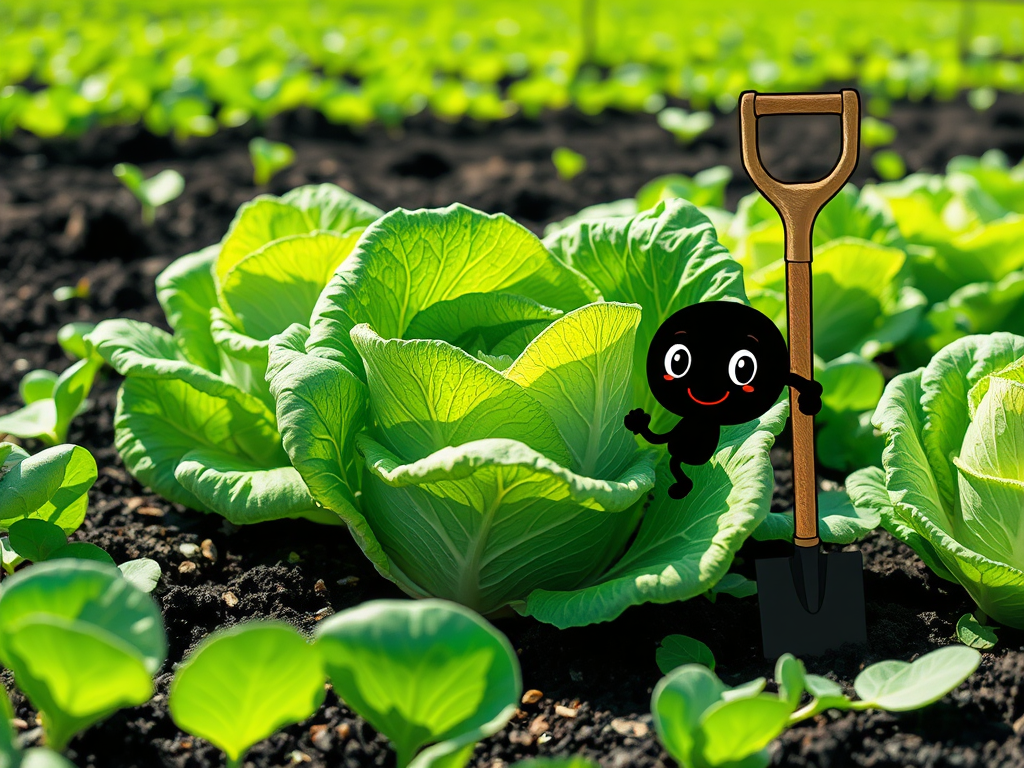
Yan et al. published a study in Ecotoxicology and Environmental Safety that explores how biocharBiochar is a carbon-rich material created from biomass decomposition in low-oxygen conditions. It has important applications in environmental remediation, soil improvement, agriculture, carbon sequestration, energy storage, and sustainable materials, promoting efficiency and reducing waste in various contexts while addressing climate change challenges. More particle size and application amount affect cadmium (Cd) contamination in soils and uptake in Chinese cabbage. The research highlights that smaller biochar particles at a 10% application rate reduced soil non-residual Cd concentration by 28.2% (1.79 mg/kg). This finding suggests optimizing biochar application is important to control Cd availability in contaminated soils.
Cadmium contamination is a concern, especially as farmland transitions from paddy to upland cultivation in regions like southern China. This transition can alter the chemical forms of Cd in the soil, increasing the risk of plant uptake. Biochar, a carbon-rich material, is used to stabilize Cd in soil, reducing its availability to plants.
The study showed that biochar’s ability to adsorb Cd in soil is less than its maximum capacity, likely due to competition from other substances in the soil. Different sizes of biochar particles influence Cd immobilization. Smaller particles have a larger surface area, which enhances Cd adsorption. The research indicates that biochar is effective in transforming non-residual Cd to a more stable residual form, thus decreasing Cd uptake by Chinese cabbage. The most significant reduction in non-residual Cd occurred with the application of fine biochar at a 10% rate.
This study contributes to understanding how biochar can improve food safety in agricultural soils affected by Cd, especially in paddy-upland rotation systems.
SOURCE: Yan, Z., Ding, W., Xie, G., Yan, M., & Wang, Q. (2025). Limiting the mobility and phytoavailability of cadmium in paddy-upland soils after the application of various biochar fractions and proportions. Ecotoxicology and Environmental Safety, 295, 118124.


![Eucalyptus Wood Waste-Derived Biochar Achieves a Ninety-Eight Percent Removal Efficiency for Benzo[ghi]perylene in Vehicle-Wash Wastewater](https://biochartoday.com/wp-content/uploads/2026/10/SCIENCE-BLOGS-2026-2026-10-19T160523.703.jpg)

Leave a Reply