
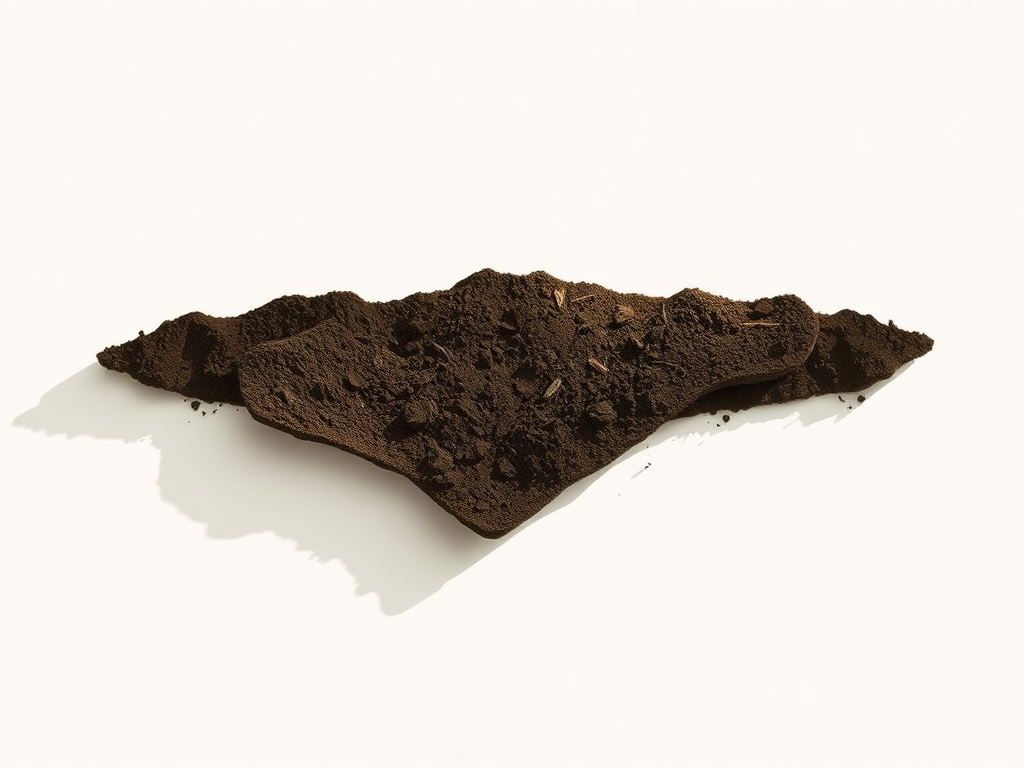
In a recent review published in ACS Omega, Gao et al., provide a comprehensive overview of biocharBiochar is a carbon-rich material created from biomass decomposition in low-oxygen conditions. It has important applications in environmental remediation, soil improvement, agriculture, carbon sequestration, energy storage, and sustainable materials, promoting efficiency and reducing waste in various contexts while addressing climate change challenges. More research methods and its applications in soil pollution treatment and agriculture. The authors begin by discussing the sources and hazards of soil pollution, highlighting the limitations of traditional remediation technologies. They then delve into biochar research methodologies and advancements in biochar preparation techniques.
Biochar possesses unique properties, including a high specific surface area, abundant functional groups, and a well-developed pore structure, making it effective for adsorbing pollutants. The review explores various biochar preparation methods, including gasificationGasification is a high-temperature, thermochemical process that converts carbon-based materials into a gaseous fuel called syngas and solid by-products. It takes place in an oxygen-deficient environment at temperatures typically above 750°C. Unlike combustion, which fully burns material to produce heat and carbon dioxide (CO2), gasification More, pyrolysisPyrolysis is a thermochemical process that converts waste biomass into bio-char, bio-oil, and pyro-gas. It offers significant advantages in waste valorization, turning low-value materials into economically valuable resources. Its versatility allows for tailored products based on operational conditions, presenting itself as a cost-effective and efficient More, and hydrothermal carbonization. Pyrolysis, the thermal decomposition of biomassBiomass is a complex biological organic or non-organic solid product derived from living or recently living organism and available naturally. Various types of wastes such as animal manure, waste paper, sludge and many industrial wastes are also treated as biomass because like natural biomass these More in an oxygen-free environment, is the most widely used method for biochar production. The properties of biochar can be tailored by adjusting the preparation conditions, such as temperature, pressure, and heating rate.
The combination of biochar with traditional remediation techniques has shown promising results. For instance, biochar can be combined with physical remediation techniques like thermochemical processes to reduce heavy metal content in soil. It can also enhance chemical remediation by improving the removal of pollutants like phenanthrene from sediment. Furthermore, biochar can interact with microorganisms to promote the degradation of pollutants and improve soil health.
While biochar shows great potential for soil remediation and sustainable agriculture, challenges remain. These include technical and economic issues in its production, as well as the need for further evaluation of its long-term environmental impacts and ecological safety. Future research should focus on functional modification and application optimization of biochar to fully realize its potential. In conclusion, biochar presents a promising avenue for addressing soil pollution and promoting sustainable agriculture. Its unique properties and versatility make it a valuable tool for remediation and improving soil health. However, continued research and development are crucial to overcome the existing challenges and ensure its safe and effective application.
Source: Gao, L., Dong, Z., Xu, Y., Zhao, L., Xing, X., Han, Z., … & Zhang, Z. (2025). Advancements in Biochar Research Methods for Soil Pollution Remediation: Development and Applications. ACS Omega, https://doi.org/10.1021/acsomega.4c10533





Leave a Reply