
Key Takeaways
- Inoculating ornamental flowers with specific soil bacteria significantly improves the removal of toxic heavy metals from landfill sites.
- The bacterial treatment protects plant roots from heavy metal toxicity and increases overall plant growth and biomassBiomass is a complex biological organic or non-organic solid product derived from living or recently living organism and available naturally. Various types of wastes such as animal manure, waste paper, sludge and many industrial wastes are also treated as biomass because like natural biomass these More.
- Using charcoalCharcoal is a black, brittle, and porous material produced by heating wood or other organic substances in a low-oxygen environment. It is primarily used as a fuel source for cooking and heating. More carriers doubles root growth under severe metal stress and helps maintain long term bacterial survival in polluted soil.
- The combined strategy successfully extracts cadmium and copper into the plant tissues while stabilizing harmful lead in the roots.
- This eco friendly remediation technique prevents hazardous waste from entering the human food chain by utilizing non edible flowers.
In the groundbreaking report published in the Journal of Hazardous Materials Advances, researchers Jitchanok Montreemuk, Naritsorn Ritthikasem, Witchaya Rongsayamanont, Achara Ussawarujikulchai, Wanwisa Pansak, and Benjaphorn Prapagdee explored how a specialized strain of heavy metal-resistant bacteria can boost the phytoremediationThis is a technique that uses plants to clean up contaminated soil or water. Biochar can enhance phytoremediation by improving soil conditions and promoting plant growth, allowing plants to absorb and break down pollutants more effectively. More potential of common zinnia plants. Municipal solid waste landfills frequently suffer from severe multi-heavy metal contamination due to the improper disposal of household hazardous waste, which pollutes the surrounding soil with toxic elements like cadmium, copper, and lead. Traditional engineering cleanups are often too expensive for widespread use in developing regions, making plant-based decontamination a highly attractive alternative. However, heavy metals typically stunt plant growth and reduce biomass yields, slowing down the overall cleanup process. By pairing the zinnia flowers with a helpful growth-promoting bacterium, the research team successfully overcame these biological limitations. This synergy provides an eco friendly, visually appealing way to clean up contaminated urban spaces.
The results of the study demonstrated that the bacterium, known as Micrococcus yunnanensis, significantly mitigates the toxic effects of heavy metals on early root development. Under controlled laboratory conditions with high metal concentrations, the bacterial inoculation enhanced root elongation by two fold under cadmium stress, one point seven fold under copper stress, and one point four fold under lead exposure compared to uninoculated control groups. This robust root system allows the plants to establish themselves more effectively in harsh landfill environments. When grown directly in contaminated municipal landfill soil for a month, the inoculated flowers exhibited major increases in both root and shoot lengths, alongside significantly higher dry biomass weights. The presence of the bacteria actively stimulated soil microbial activity, which rose by up to one point seven fold compared to uninoculated controls, improving the overall biological function and health of the surrounding soil ecosystem.
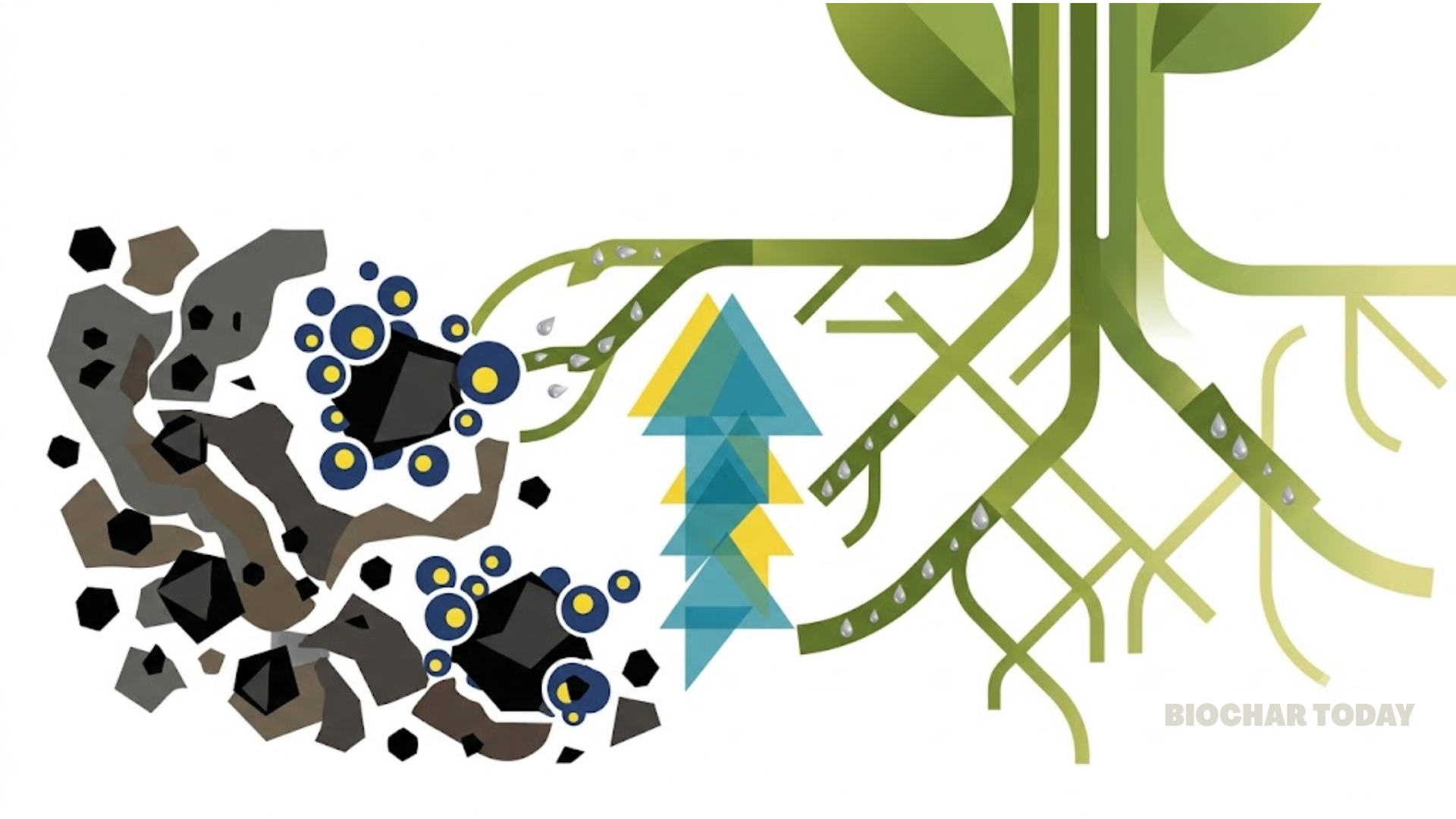
Crucially, the experiment compared two different delivery methods for the bacteria: applying them as a free liquid cell suspension or immobilizing them onto a porous bamboo-derived biocharBiochar is a carbon-rich material created from biomass decomposition in low-oxygen conditions. It has important applications in environmental remediation, soil improvement, agriculture, carbon sequestration, energy storage, and sustainable materials, promoting efficiency and reducing waste in various contexts while addressing climate change challenges. More matrix. The findings revealed that both approaches are highly effective at promoting plant growth, but the biochar carrier offers superior practical benefits for real-world field applications. The extensive surface area and highly porous nature of biochar provide a protective microhabitat that retains nutrients, water, and bacterial cells. This protective shielding extends the shelf life of the beneficial bacteria at room temperature and shields them from hostile environmental conditions. Furthermore, because the biochar can be cheaply produced from local agricultural residues, it serves as an exceptionally sustainable and cost-effective matrix for large-scale soil restoration projects. The team noted that applying a small amount of biochar as a carrier does not disrupt the heavy metal absorption mechanics of the plant.
The quantitative evaluation of the cleanup indices highlighted significant improvements in heavy metal extraction and accumulation. Zinnia plants treated with the biochar-immobilized bacteria showed a one point four fold increase in cadmium levels within their roots and a one point six fold increase in their shoots. Copper concentrations also jumped by one point four fold in the roots and one point seven fold in the shoots. While cadmium and copper were efficiently transported to the aboveground parts of the plant, lead tended to remain locked inside the root tissues due to a natural binding restriction mechanism. This dual action allows the zinnia system to act as a highly effective extractor for cadmium and copper while simultaneously functioning as a stabilizer to prevent the spread of dangerous lead. Using non-edible ornamental plants ensures that these hazardous metals are safely removed from open landfill soils without any risk of entering the human food chain.
Source: Montreemuk, J., Ritthikasem, N., Rongsayamanont, W., Ussawarujikulchai, A., Pansak, W., & Prapagdee, B. (2026). Synergistic effect of biochar-immobilized plant growth-promoting bacterium on multi-heavy metal phytoremediation by Zinnia elegans L. in landfill soil. Journal of Hazardous Materials Advances, 10, 101357.



Leave a Reply