
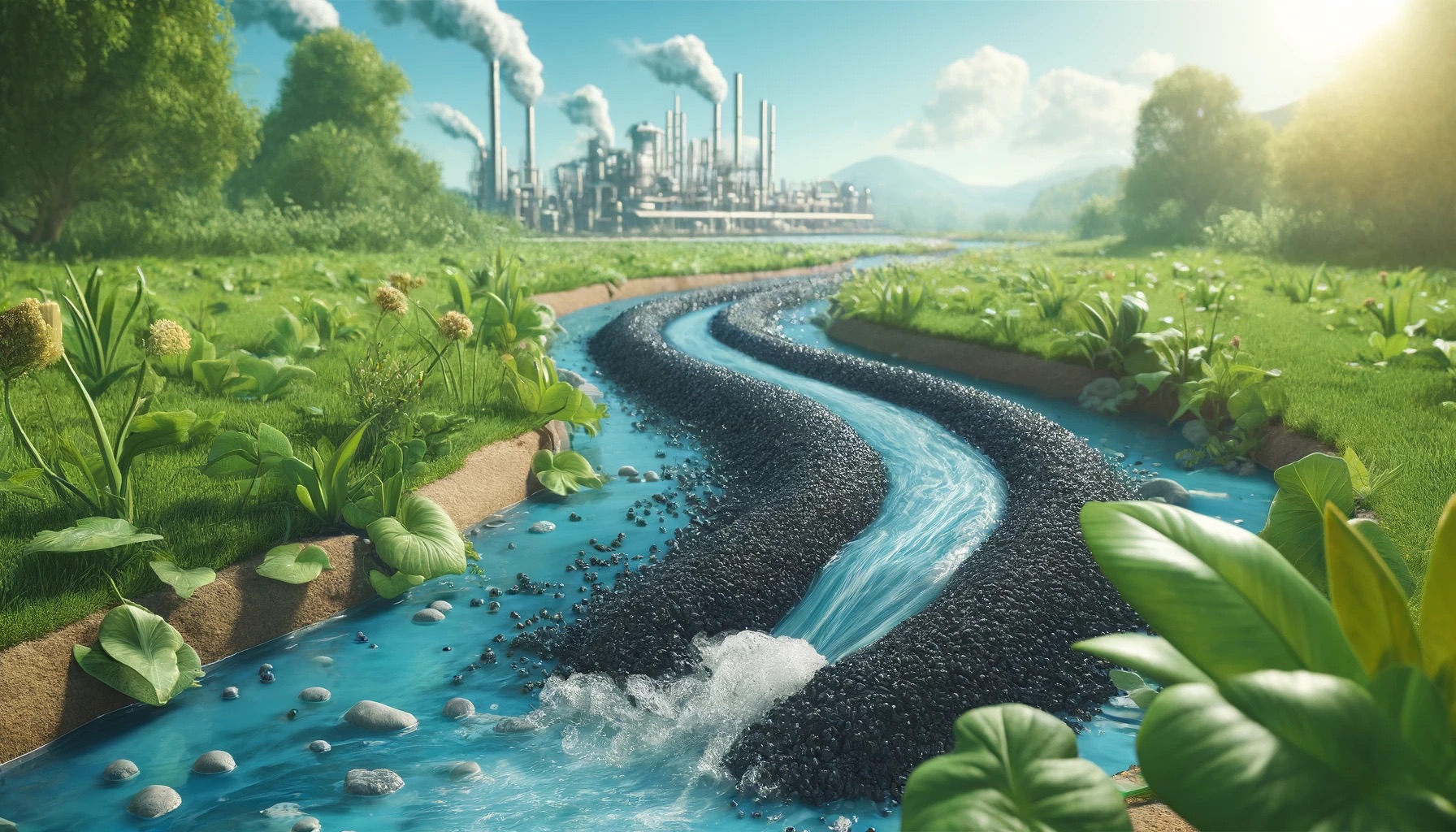
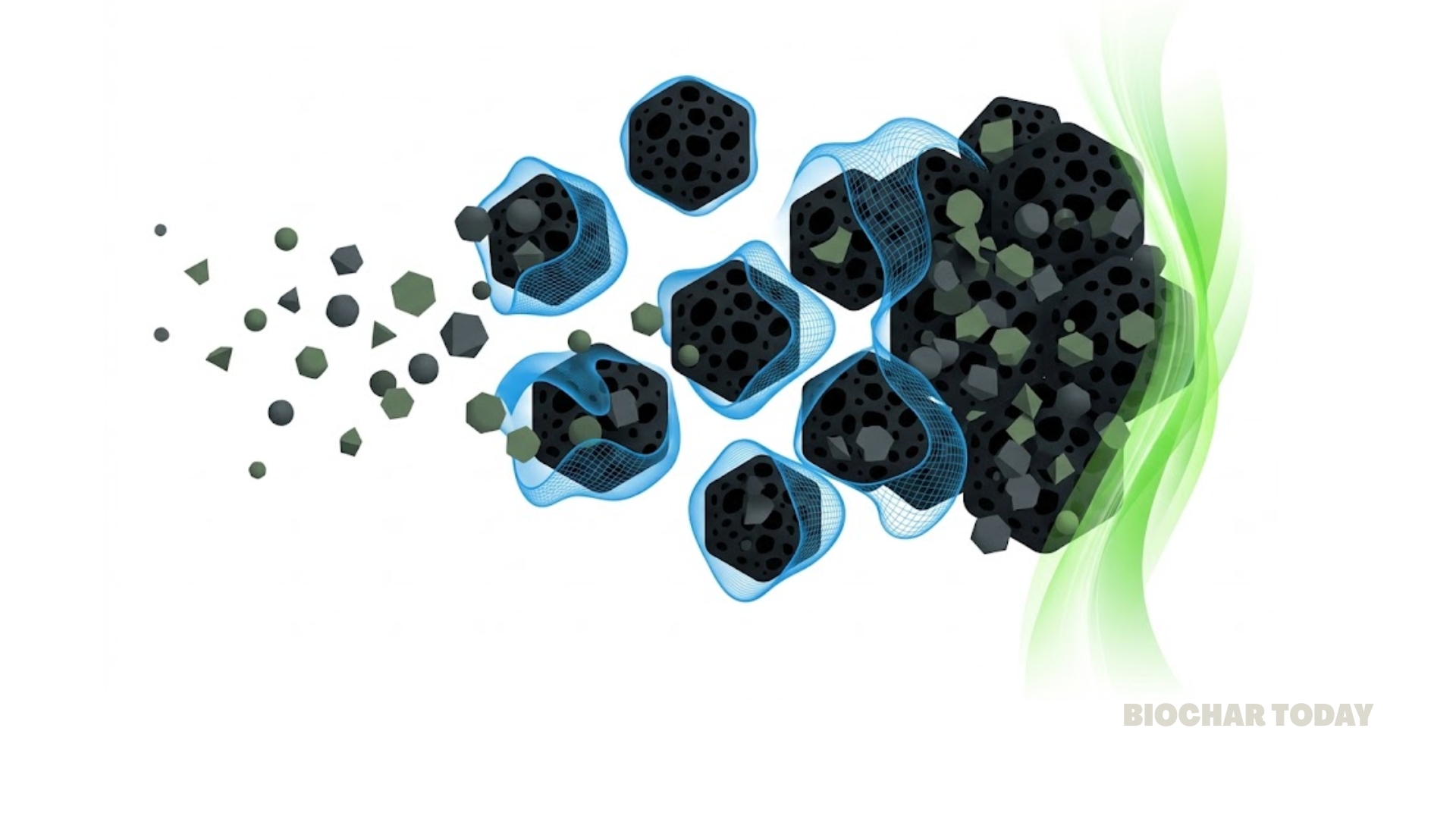
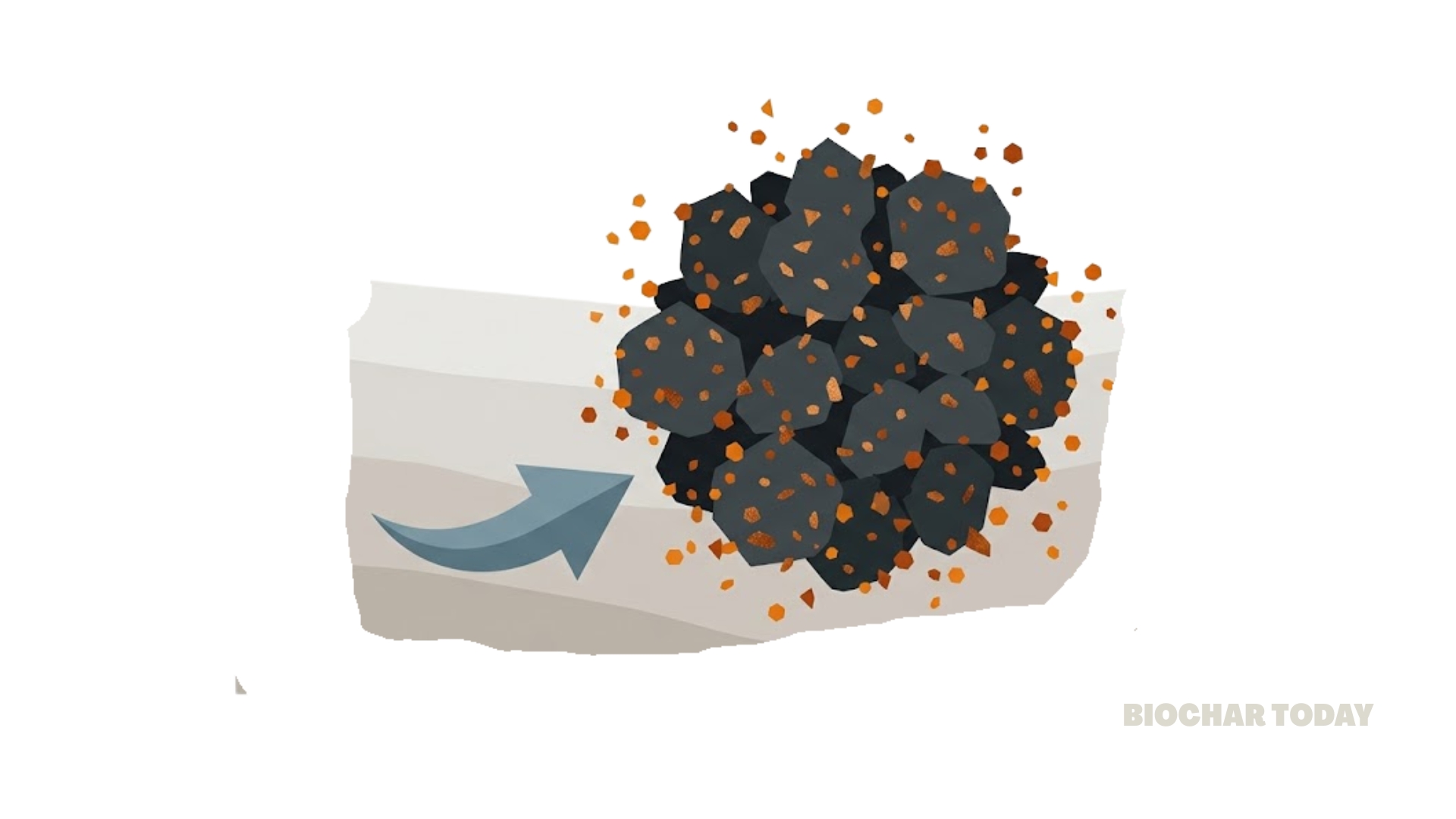
BiocharBiochar is a carbon-rich material created from biomass decomposition in low-oxygen conditions. It has important applications in environmental remediation, soil improvement, agriculture, carbon sequestration, energy storage, and sustainable materials, promoting efficiency and reducing waste in various contexts while addressing climate change challenges. More is emerging as a promising solution for removing organic pollutants, particularly polycyclic aromatic hydrocarbons (PAHs) and pesticides, from water. With high porosityPorosity of biochar is a key factor in its effectiveness as a soil amendment and its ability to retain water and nutrients. Biochar’s porosity is influenced by feedstock type and pyrolysis temperature, and it plays a crucial role in microbial activity and overall soil health. Biochar More, surface area, and functional group diversity, biochar demonstrates excellent adsorption capacities, often exceeding 90% under optimal laboratory conditions. As Beljin, et al explain in Nanomaterials, recent innovations in biochar engineering, such as chemical activation and nanoparticle doping, further enhance its pollutant removal capabilities.
The mechanisms behind biochar’s effectiveness include hydrophobic interactions, hydrogen bonding, and electrostatic attractions. For PAHs, high-temperature biochars exhibit improved adsorption through π-π interactions, while engineered biochars perform well against diverse pesticides through tailored surface modifications. Such advancements make biochar versatile for municipal, industrial, and agricultural wastewater treatments.
Despite its potential, scaling biochar use for large-scale applications presents challenges. Environmental factors like pHpH is a measure of how acidic or alkaline a substance is. A pH of 7 is neutral, while lower pH values indicate acidity and higher values indicate alkalinity. Biochars are normally alkaline and can influence soil pH, often increasing it, which can be beneficial More, competing ions, and organic matter can significantly reduce adsorption efficiency. Furthermore, field applications face hurdles such as high production costs, variability in biochar quality, and logistical difficulties. Modified biochars, although effective, often involve complex manufacturing processes, which raise economic and environmental concerns.
Future research is essential to optimize biochar production and tailor its properties for specific pollutants. Innovations like integrating biochar with advanced oxidation processes (AOPs) and microbial treatments could offer synergistic solutions. Additionally, long-term studies on biochar’s stability and scalability, coupled with circular economy approaches using waste-derived biochar, could make this technology more sustainable and accessible.
By addressing these challenges, biochar could become a cornerstone in environmentally friendly water remediation strategies.
SOURCE: Beljin, et al (2025) Biochar in the Remediation of Organic Pollutants in Water: A Review of Polycyclic Aromatic Hydrocarbon and Pesticide Removal. Nanomaterials. https://doi.org/10.3390/nano15010026


Leave a Reply