
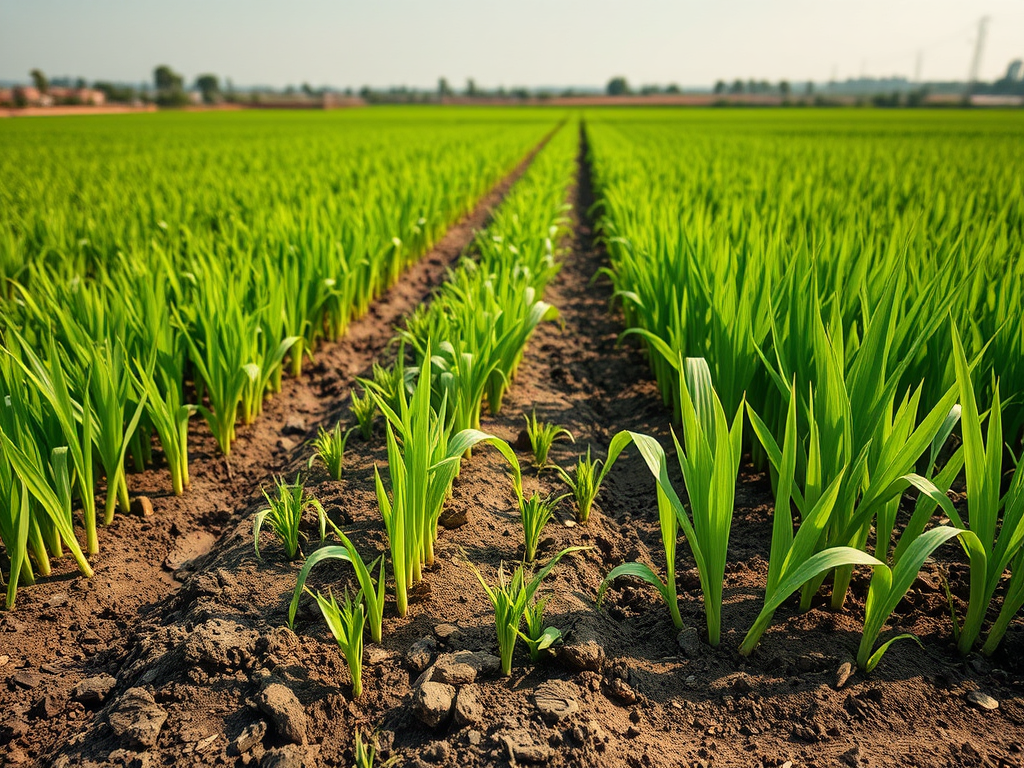
Doszhanova et al., in Caspian Journal of Environmental Sciences, investigated the effects of birch biocharBiochar is a carbon-rich material created from biomass decomposition in low-oxygen conditions. It has important applications in environmental remediation, soil improvement, agriculture, carbon sequestration, energy storage, and sustainable materials, promoting efficiency and reducing waste in various contexts while addressing climate change challenges. More on degraded irrigated soils in Southeast Kazakhstan. The study focused on the Akdalinsky irrigation massif and examined the impact of different biochar doses on soil properties and crop yields. The researchers found that applying biochar at rates of 15-20 tons per hectare as part of the primary soil treatment enhanced soil bulk density and increased the proportion of agriculturally valuable and water-stable aggregates in the plow layer. Notable improvements were observed in labile humus and available phosphorus content.
These enhancements in soil properties led to increased productivity in rice crop rotations due to the immediate and residual effects of biochar application under moldboard plowing. Rice and spring wheat yields rose mainly due to improved tillering, while soybean yields benefited from increased pod formation. The study concluded that biochar application can effectively improve the agro-physical and agrochemical properties of degraded irrigated soils, leading to increased crop yields.
SOURCE: Doszhanova, A., Ospanbayev, Z., Sembayeva, A., Bekbauov, M., Kazkeyev, D., & Myrzabek, K. (2025). Effectiveness of biochar on degraded irrigated soils in Southeast Kazakhstan. Caspian Journal of Environmental Sciences, 23(4), 409–417. https://doi.org/10.22080/cjes.2025.8478.1740



Leave a Reply