
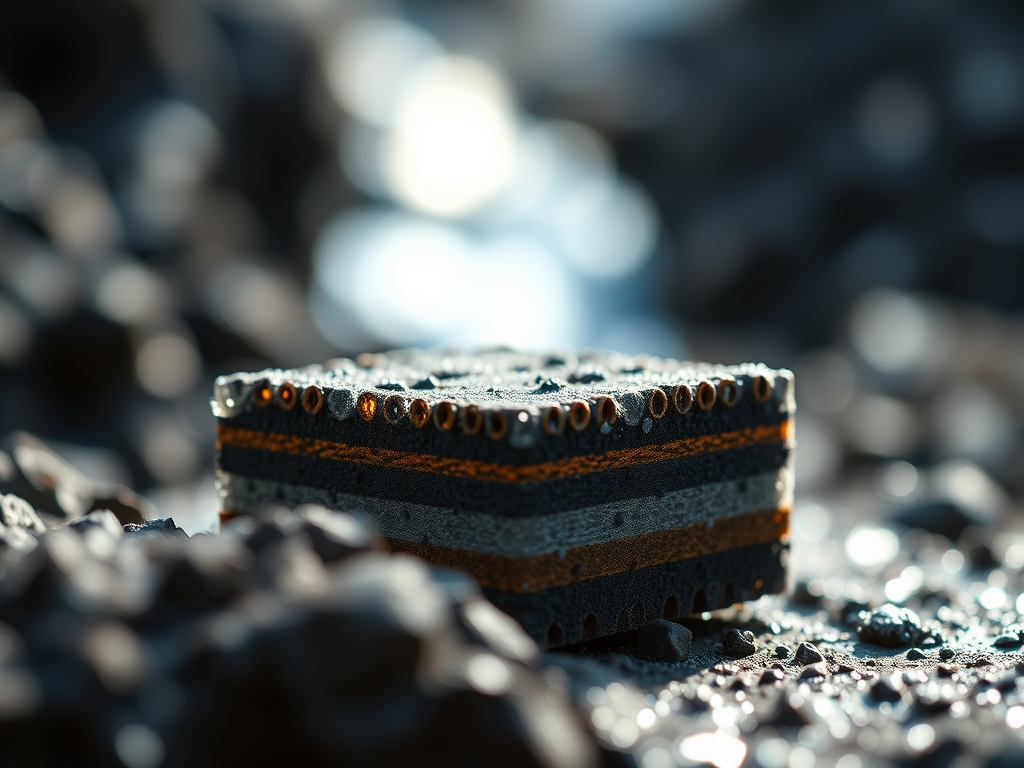
In a recent study published in Scientific Reports, authored by Yudha Gusti Wibowo et al., a novel biochar-based composite material was developed to tackle the persistent problem of heavy metal contamination in acid mine drainage. This innovative composite, integrating biocharBiochar is a carbon-rich material created from biomass decomposition in low-oxygen conditions. It has important applications in environmental remediation, soil improvement, agriculture, carbon sequestration, energy storage, and sustainable materials, promoting efficiency and reducing waste in various contexts while addressing climate change challenges. More with montmorillonite (MMT) and ZnAl layered double hydroxide (LDH), demonstrates remarkable efficiency in removing iron (Fe) and manganese (Mn) from contaminated water.
The urgency of addressing acid mine drainage, a byproduct of coal mining, cannot be overstated. This highly acidic wastewater, laden with heavy metals, poses a significant threat to both environmental and human health. This study addresses this need by introducing a novel composite material derived from solid waste, offering a sustainable approach to heavy metal removal. The biochar composite’s effectiveness lies in its unique composition and properties. Biochar, produced from biomassBiomass is a complex biological organic or non-organic solid product derived from living or recently living organism and available naturally. Various types of wastes such as animal manure, waste paper, sludge and many industrial wastes are also treated as biomass because like natural biomass these More, provides a high surface area and porous structure. Montmorillonite, a clay mineral, enhances the composite’s ion-exchange capacity, crucial for capturing metal ions. ZnAl layered double hydroxide contributes a unique layered structure and ion-exchange properties, further boosting the material’s ability to remove heavy metals.
The study’s most striking finding is the composite’s rapid and efficient removal of manganese. Within just 7 minutes, the composite achieved a 99% reduction in Mn concentration, dropping from 100 mg/L to an astonishing 0.07 mg/L. While iron removal was also effective, the speed and extent of manganese removal highlight the composite’s exceptional performance. This rapid removal has significant implications for real-world applications. In situations where immediate treatment of contaminated water is necessary, such as industrial spills or emergency environmental remediation, the biochar composite offers a promising solution.
The study also provides valuable insights into the adsorption mechanisms at play. The composite demonstrates a complex adsorption process, combining physical adsorption, ion exchange, and surface complexation. This multifaceted approach contributes to its high efficiency in removing both iron and manganese. This research paves the way for developing sustainable and effective solutions for acid mine drainage treatment. While the results are promising, the authors recommend future studies to evaluate the composite’s long-term stability, regeneration potential, and performance under varying environmental conditions.
SOURCE: Wibowo, Y. G., Safitri, H., Kusumawati, Aini, W. D., Farantino, R., Ginting, S. B. R., … & Petrus, H. T. B. M. (2025). Biochar MMT ZnAl LDH composite materials derived from solid waste for heavy metal removal in artificial acid mine drainage. Scientific Reports, 15(1), 14914.




Leave a Reply