
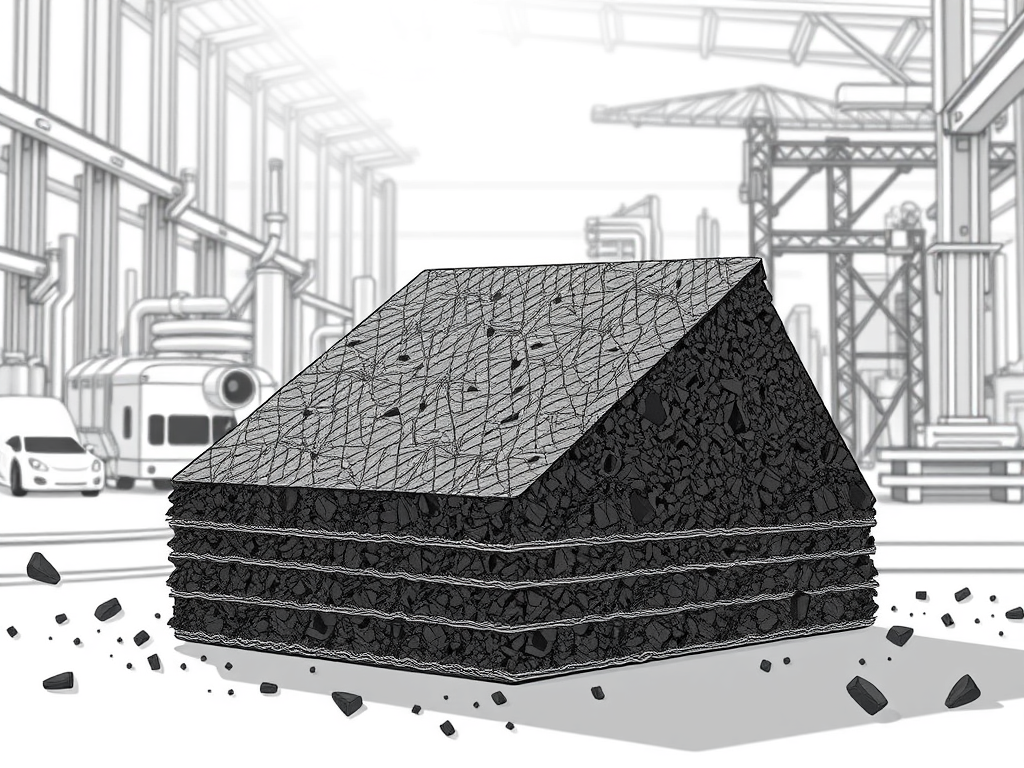
In a study published in Cleaner Engineering and Technology, Sundarakannan and colleagues explored the potential of biocharBiochar is a carbon-rich material created from biomass decomposition in low-oxygen conditions. It has important applications in environmental remediation, soil improvement, agriculture, carbon sequestration, energy storage, and sustainable materials, promoting efficiency and reducing waste in various contexts while addressing climate change challenges. More derived from the invasive Prosopis Juliflora wood to enhance the mechanical properties of jute fiber-reinforced epoxy composites. The research highlights the development of sustainable composite materials for various industries.
The study examined composites with varying weight fractions of biochar (5%, 10%, 15%, and 20%) to determine the optimal composition for mechanical performance. Results from mechanical evaluations, including tensile, flexural, impact, and hardness tests, showed that the composite with 10% biochar demonstrated the most promising results, achieving a tensile strength of 49 MPa, a hardness of 79, and an impact strength of 63 J/m. The highest flexural strength, 90 MPa, was observed in the composite with 15% biochar.
These findings suggest that biochar from Prosopis Juliflora can be effectively used to produce sustainable composite materials. These materials hold promise for applications in the aerospace, automotive, and construction sectors, offering a sustainable alternative to traditional materials.
SOURCE: Rajendran, S., Shanmugam, V., Sanjeevi, S., Yang, Y.-L., Marimuthu, U., Palani, G., Veerasimman, A., & Trilaksana, H. (2025). Methodology of Biochar Extraction and the Composite Samples Preparation Prosopis Juliflora Biochar-Based Hybrid Composites: Mechanical Property Assessment and Development Prospects. Cleaner Engineering and Technology, 8, 100955.



Leave a Reply