

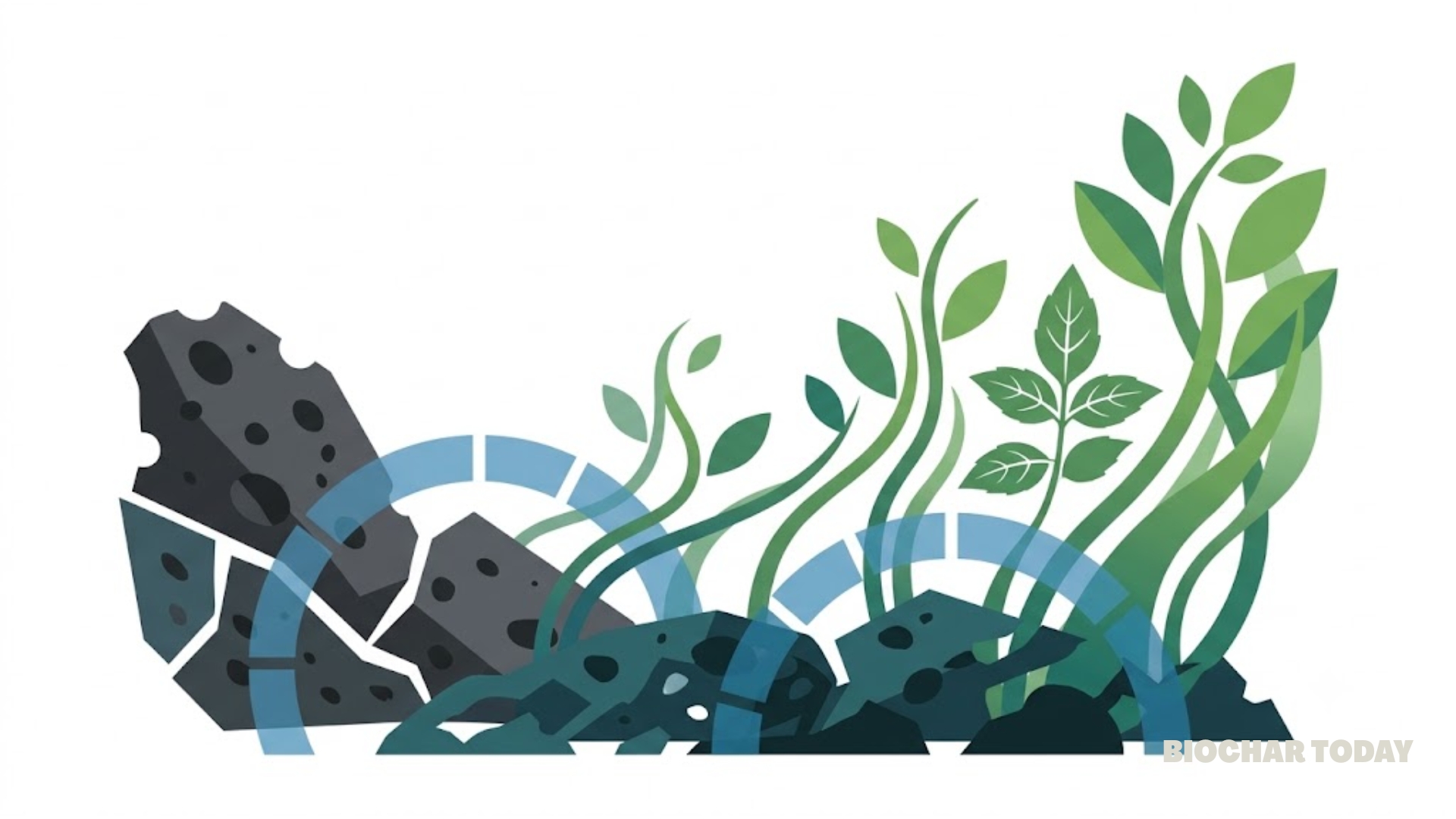
In a recent study published in Biotechnology Reports, Valentin et al., explored a method to enhance biochar’s surface area. BiocharBiochar is a carbon-rich material created from biomass decomposition in low-oxygen conditions. It has important applications in environmental remediation, soil improvement, agriculture, carbon sequestration, energy storage, and sustainable materials, promoting efficiency and reducing waste in various contexts while addressing climate change challenges. More, produced from biomassBiomass is a complex biological organic or non-organic solid product derived from living or recently living organism and available naturally. Various types of wastes such as animal manure, waste paper, sludge and many industrial wastes are also treated as biomass because like natural biomass these More like pine bark, is gaining attention for its potential in agriculture, where a high surface area is desirable for improving soil properties. The authors focused on a technique called partial reduction, using hot syngas—a mixture of gases produced during pyrolysis—to modify biochar within the production process itself.
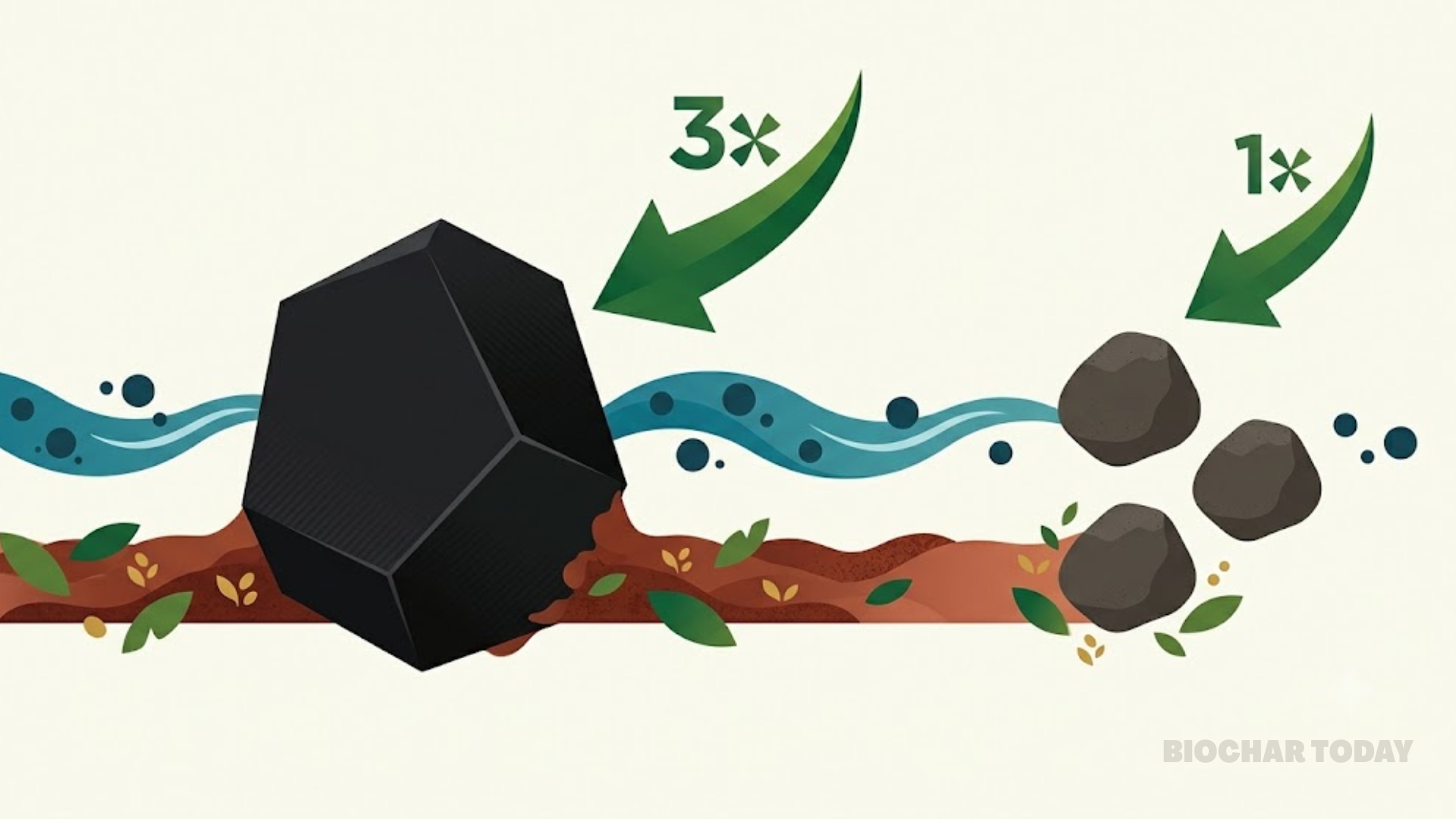
The study was conducted using an innovative pyrolysisPyrolysis is a thermochemical process that converts waste biomass into bio-char, bio-oil, and pyro-gas. It offers significant advantages in waste valorization, turning low-value materials into economically valuable resources. Its versatility allows for tailored products based on operational conditions, presenting itself as a cost-effective and efficient More prototype designed with separate zones for pyrolysis (heating biomass in the absence of oxygen) and partial oxidation. By adding a reduction zone to the reactor, the researchers created a space where hot biochar and syngasSyngas, or synthesis gas, is a fuel gas mixture consisting primarily of hydrogen and carbon monoxide. It is produced during gasification and can be used as a fuel source or as a feedstock for producing other chemicals and fuels. More could mix. This modification allowed syngas to flow through a bed of hot biochar, ensuring consistent contact and reaction conditions. The key outcome was a significant increase in the biochar’s specific surface area by approximately 250 m²/g, regardless of how much biomass was processed.
While the partial reduction process effectively increased the surface area, it also led to some carbon loss from the biochar, with about 20% of the carbon being transferred to the syngas. This carbon transfer altered the syngas composition, increasing the fractions of hydrogen and carbon dioxide, and decreasing methane. Importantly, despite the carbon loss, the biochar maintained a high carbon content (around 90%) and the biochar yield remained stable across different biomass flow rates.
This research demonstrates a promising method for enhancing biochar quality directly within the pyrolysis process. The in-situ partial reduction technique offers a balance between producing biochar with desirable properties and managing the by-product syngas, which can be used for other applications. The researchers suggest that future work will explore the method using different types of biomass.
SOURCE: Chataigner, V., Tarlet, D., Ricoul, F., & Bellettre, J. (2025). In-situ partial reduction of biochar by overlaying a syngas stream. Biotechnology Reports, 46, e00892.


Leave a Reply