

Key Takeaways
- Agricultural waste can be transformed into high-value materials that clean polluted water and store carbon for centuries.
- Advanced processing allows these materials to reach massive internal surface areas that rival expensive commercial filters.
- Modified biocharBiochar is a carbon-rich material created from biomass decomposition in low-oxygen conditions. It has important applications in environmental remediation, soil improvement, agriculture, carbon sequestration, energy storage, and sustainable materials, promoting efficiency and reducing waste in various contexts while addressing climate change challenges. More can remove nearly all toxic heavy metals and emerging contaminants like pharmaceuticals from wastewater.
- Saturated biochar can be recycled into construction materials or fertilizers to prevent waste and support a circular economy.
- Using local crop residues for production can significantly reduce the carbon footprint compared to traditional disposal methods.
The transformation of common agricultural residues into high-performance carbon platforms represents a significant leap for the circular bioeconomy. In an extensive review published in the journal Processes, authors Simona Gavrilaş, Bianca-Denisa Chereji, and Florentina-Daniela Munteanu explore how the strategic valorization of biomassBiomass is a complex biological organic or non-organic solid product derived from living or recently living organism and available naturally. Various types of wastes such as animal manure, waste paper, sludge and many industrial wastes are also treated as biomass because like natural biomass these More waste leads to the creation of what they term supermaterials. These substances are not merely charred plant matter but are engineered at the molecular level to exhibit exceptional mechanical, electrochemical, and catalytic properties. By manipulating the balance of cellulose, hemicellulose, and lignin through controlled heating, researchers can dictate the final architecture of the carbon. The study emphasizes that these materials provide a dual benefit by simultaneously managing massive flows of organic waste and producing functional tools for environmental remediation.
One of the most compelling findings involves the sheer physical capacity of these materials to trap pollutants. Through chemical activation techniques, specifically using agents like potassium hydroxide, the internal surface area of the biochar can be expanded to over 500 square meters per gram, with some specialized versions reaching even higher benchmarks. This high porosityPorosity of biochar is a key factor in its effectiveness as a soil amendment and its ability to retain water and nutrients. Biochar’s porosity is influenced by feedstock type and pyrolysis temperature, and it plays a crucial role in microbial activity and overall soil health. Biochar More allows the material to act as a molecular sponge, effectively capturing heavy metals such as lead and chromium, as well as complex organic dyes and pharmaceutical residues like norfloxacin. The research indicates that these modified structures can achieve removal efficiencies as high as 98 percent for certain pollutants. This level of performance places biochar-based materials in direct competition with traditional, more expensive activated carbons derived from fossil precursors.
The utility of these supermaterials extends beyond passive filtration. When biochar is hybridized with metal nanoparticles or semiconductor oxides, it gains the ability to participate in active chemical reactions. For instance, the study describes how biochar can serve as a conductive support that prevents the recombination of electrical charges in photocatalytic systems. This synergy allows for the rapid degradation of organic contaminants and even provides antimicrobial properties that can kill water-borne bacteria. These advanced applications move biochar from the realm of simple soil additives into the sophisticated field of materials science, where it serves as a platform for energy storage in batteries and supercapacitors. The ability to tune the electrical conductivity and chemical reactivity of the carbon matrix through heteroatom doping makes it a versatile asset for modern green technology.
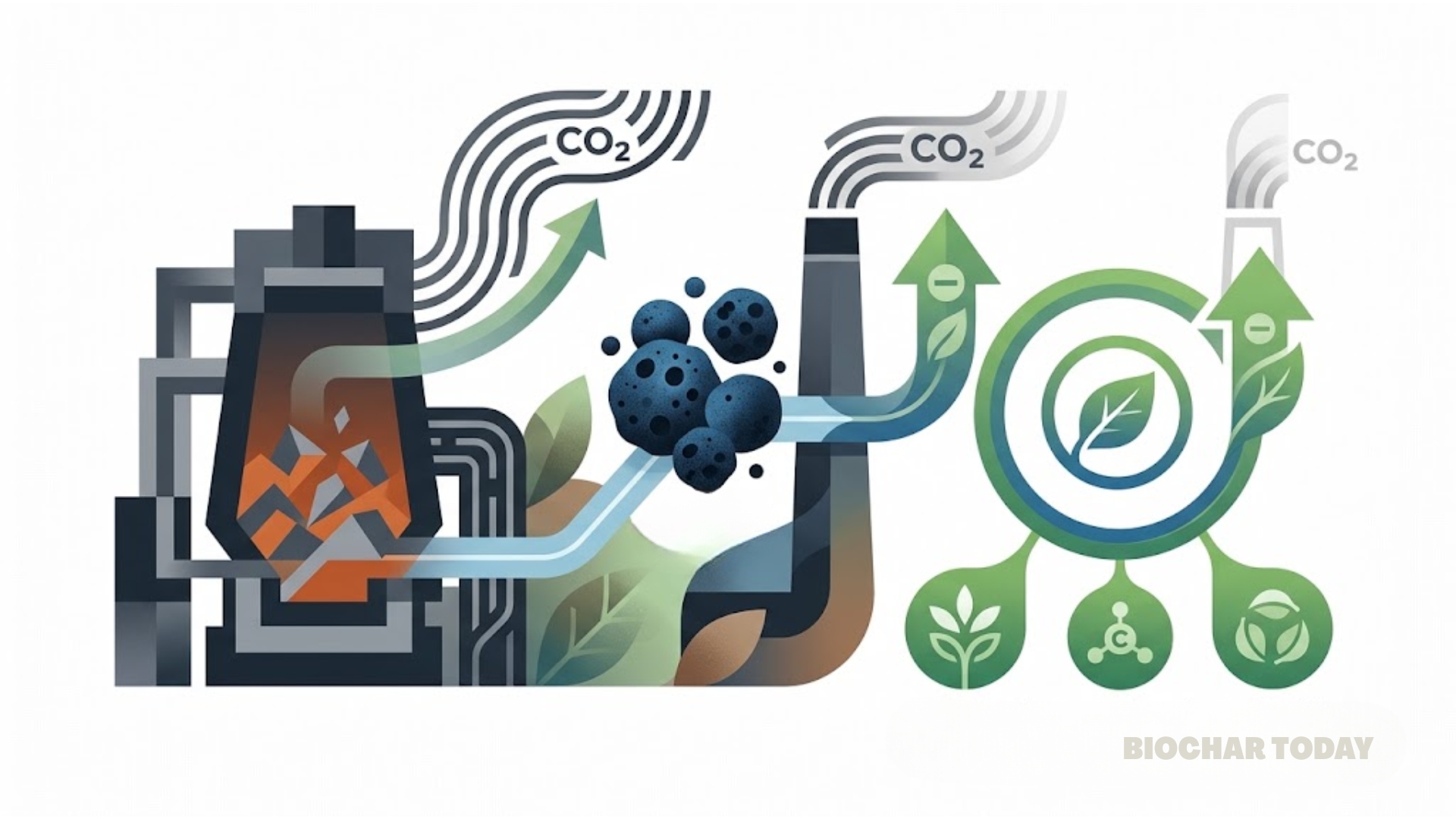
Sustainability and long-term carbon management are woven into the functional lifecycle of these materials. The authors present a framework for the sequential use of biochar, suggesting that the material does not become waste once its primary role as a filter is finished. Instead, spent biochar that has captured nutrients can be repurposed as a slow-release fertilizer, while materials containing captured contaminants can be safely encapsulated within cement or concrete for construction. This cascading use model ensures that the biogenic carbon remains sequestered for decades or even centuries, rather than being released into the atmosphere through decomposition or open-air burning of crop residues. Life cycle assessments included in the analysis suggest that such integrated systems can achieve net-negative greenhouse gas emissions, potentially mitigating over one ton of carbon dioxide equivalent for every ton of biomass processed.
Despite the technical successes observed in laboratory settings, the researchers note that achieving industrial scale requires overcoming several practical hurdles. The variability of raw materials and the lack of standardized production protocols currently hinder widespread commercial adoption. To address this, the study calls for a more rigorous framework of key performance indicators that account for the full lifecycle of the material, from feedstockFeedstock refers to the raw organic material used to produce biochar. This can include a wide range of materials, such as wood chips, agricultural residues, and animal manure. More collection to its final end-of-life disposal. By aligning process design with sustainability goals, the industry can transition toward a model where agricultural waste is no longer a disposal burden but a strategic resource. The findings reinforce the idea that with the right thermochemical “tuning,” the humble residues of global food systems can become the supermaterials of a cleaner, more carbon-efficient future.
Source: Gavrilaş, S., Chereji, B.-D., & Munteanu, F.-D. (2026). Agricultural waste valorization via biochar-based supermaterials: Linking process design to sustainability. Processes, 14(1076), 1-55.



Leave a Reply