
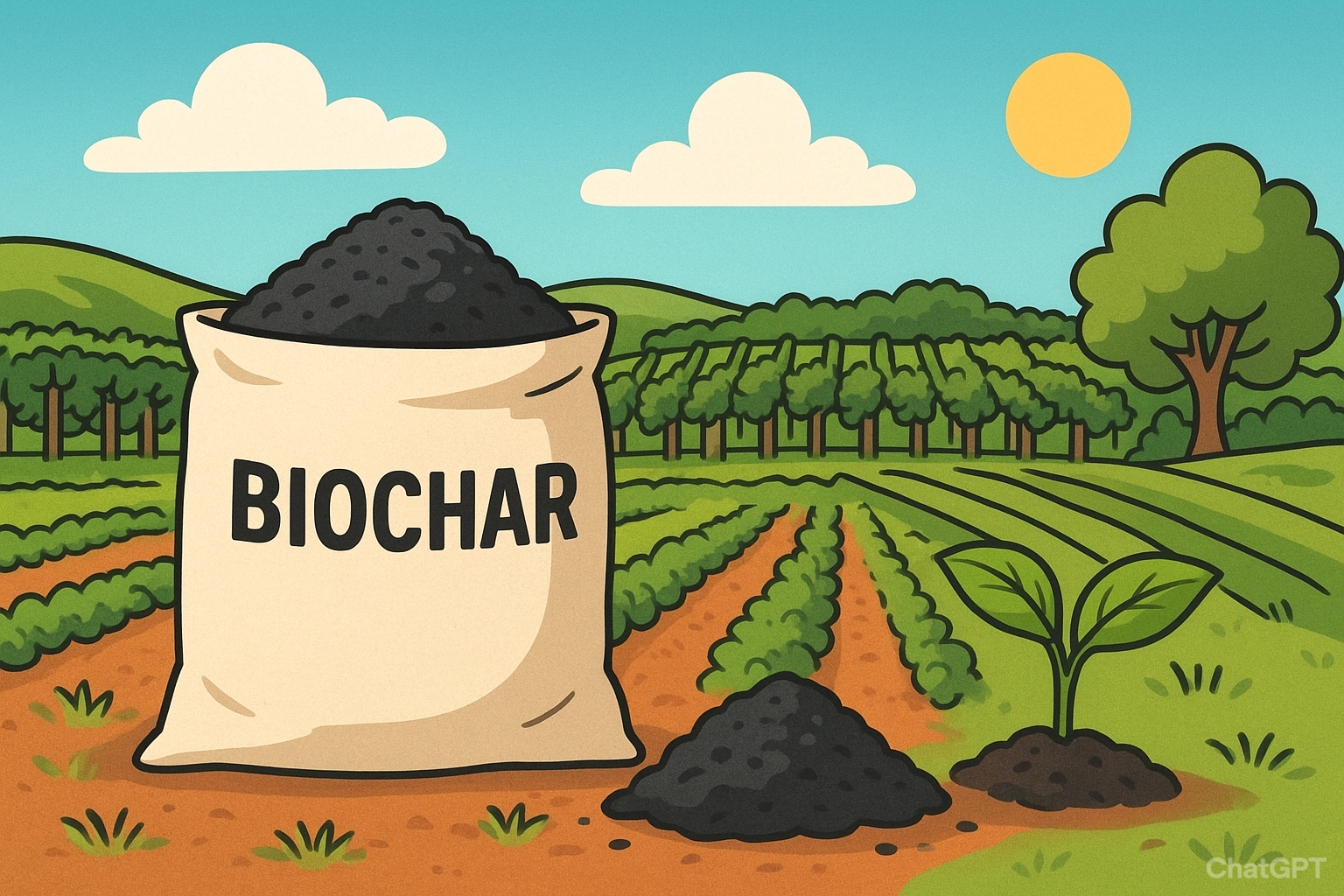
A South African winery has significantly reduced its water consumption by using a unique combination of water treatment technology and biocharBiochar is a carbon-rich material created from biomass decomposition in low-oxygen conditions. It has important applications in environmental remediation, soil improvement, agriculture, carbon sequestration, energy storage, and sustainable materials, promoting efficiency and reducing waste in various contexts while addressing climate change challenges. More. Since January 2024, the Nederburg winery has saved an estimated 45,000 cubic meters of water, a portion of which is attributable to the integration of biochar into its operations. The winery’s biochar project, focuses on regenerative viticulture, turning biomassBiomass is a complex biological organic or non-organic solid product derived from living or recently living organism and available naturally. Various types of wastes such as animal manure, waste paper, sludge and many industrial wastes are also treated as biomass because like natural biomass these More waste into a soil amendmentA soil amendment is any material added to the soil to enhance its physical or chemical properties, improving its suitability for plant growth. Biochar is considered a soil amendment as it can improve soil structure, water retention, nutrient availability, and microbial activity. More.
The biochar is produced on-site from materials like grape skins, stems, and pips, which are the by-products of the winemaking process, and is then mixed with compost. This mixture, enriched with nutrients and beneficial organisms, is then re-introduced into the vineyard soils. The porous structure of the biochar helps to retain and aggregate water, which is particularly relevant given South Africa’s susceptibility to drought. This application of biochar also improves the soil’s structure and reduces acidity, which in turn lowers the need for water and chemical fertilizers.
Nederburg’s sustainability efforts extend beyond biochar and include various measures that have been in place for over a decade. The winery has been recognized by the WWF as a Conservation Champion for its water stewardship since 2020. The winery has also reported water savings of as high as 40% in some instances. The recent integration of biochar contributes to these broader conservation goals. The biochar process also contributes to carbon sequestration, as it removes carbon dioxide from the atmosphere and stores it in the soil for potentially hundreds or thousands of years, building upon the winery’s existing eco-friendly practices.
SOURCE: Nederburg bespaar 45 000 ku’mek met waterstelsel




Leave a Reply