
Guerreiro, et al (2024) BiocharBiochar is a carbon-rich material created from biomass decomposition in low-oxygen conditions. It has important applications in environmental remediation, soil improvement, agriculture, carbon sequestration, energy storage, and sustainable materials, promoting efficiency and reducing waste in various contexts while addressing climate change challenges. More supplementation affects the microbiome of recycled manure solids for cow bedding: a metagenomic analysis. Journal of Dairy Science. https://doi.org/10.3168/jds.2024-25616
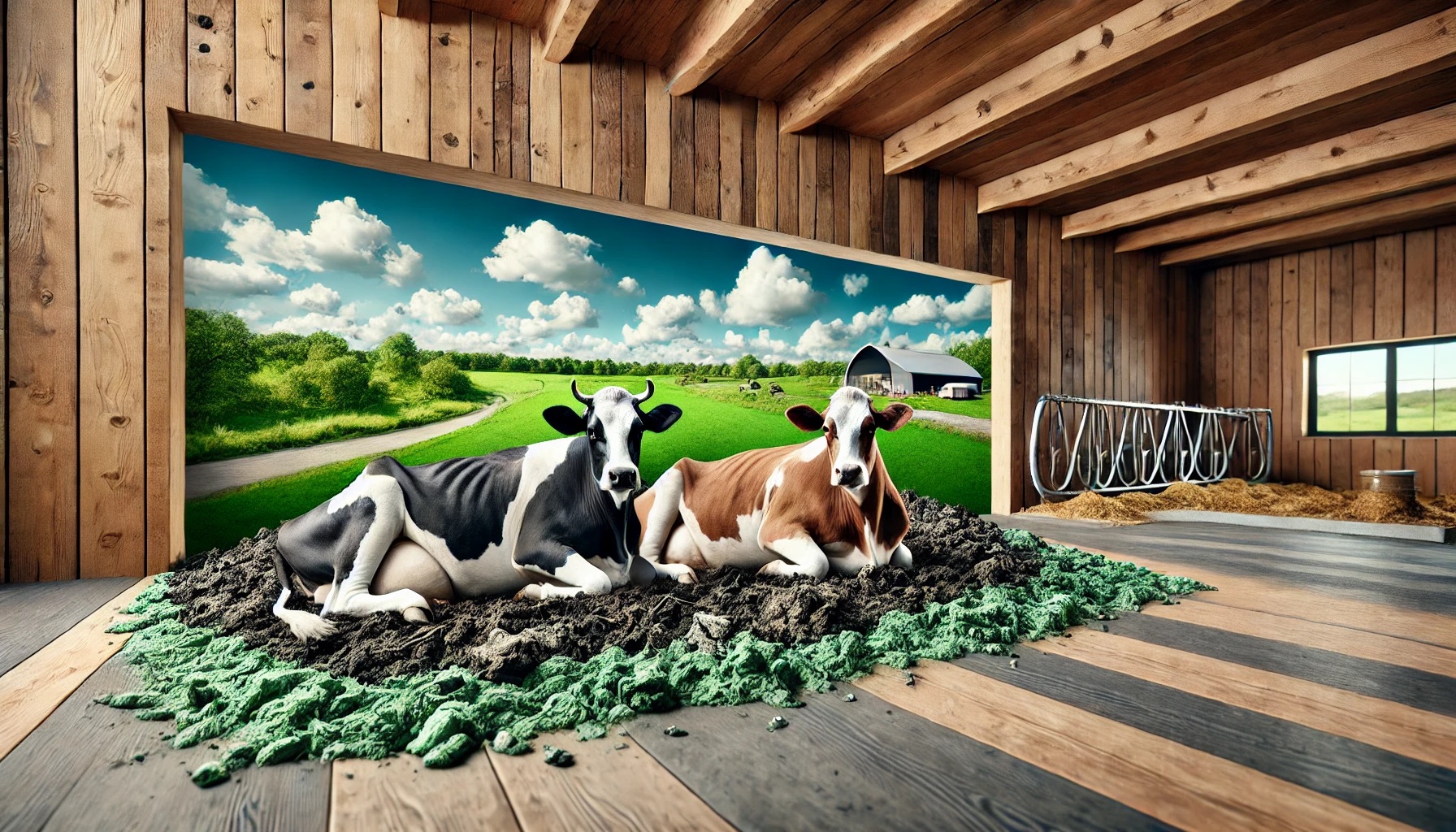
A recent study explored how adding biochar to recycled manure solids (RMS), used as cow bedding, affects the bacterial community and pathogen levels. This approach aims to make RMS safer for dairy cows while supporting sustainable farming practices. Researchers supplemented RMS with varying biochar concentrations (2.5%, 5%, and 10%) and monitored changes over 30 days during humid and dry seasons.
The findings showed that biochar altered the microbiome in RMS. Lower concentrations (2.5% and 5%) effectively reduced harmful pathogens, including those causing mastitis, such as Staphylococcus and Streptococcus species, and foodborne pathogens like Salmonella. These reductions were more pronounced in the humid season. Surprisingly, the 10% biochar concentration was less effective, suggesting that moderate levels strike the best balance between effectiveness and cost.
However, not all effects were positive. Biochar increased the levels of Brucella, a zoonotic pathogen, and seasonally affected the abundance of Pseudomonas species, indicating potential risks. These unintended outcomes highlight the need for further research to assess long-term safety and optimize biochar use.
This study underscores biochar’s promise in reducing bedding-related pathogen risks but calls for careful evaluation to prevent adverse effects. As sustainable farming grows in importance, refining biochar applications could provide a valuable tool for improving dairy cow health and minimizing environmental impact.





Leave a Reply