
Key Takeaways
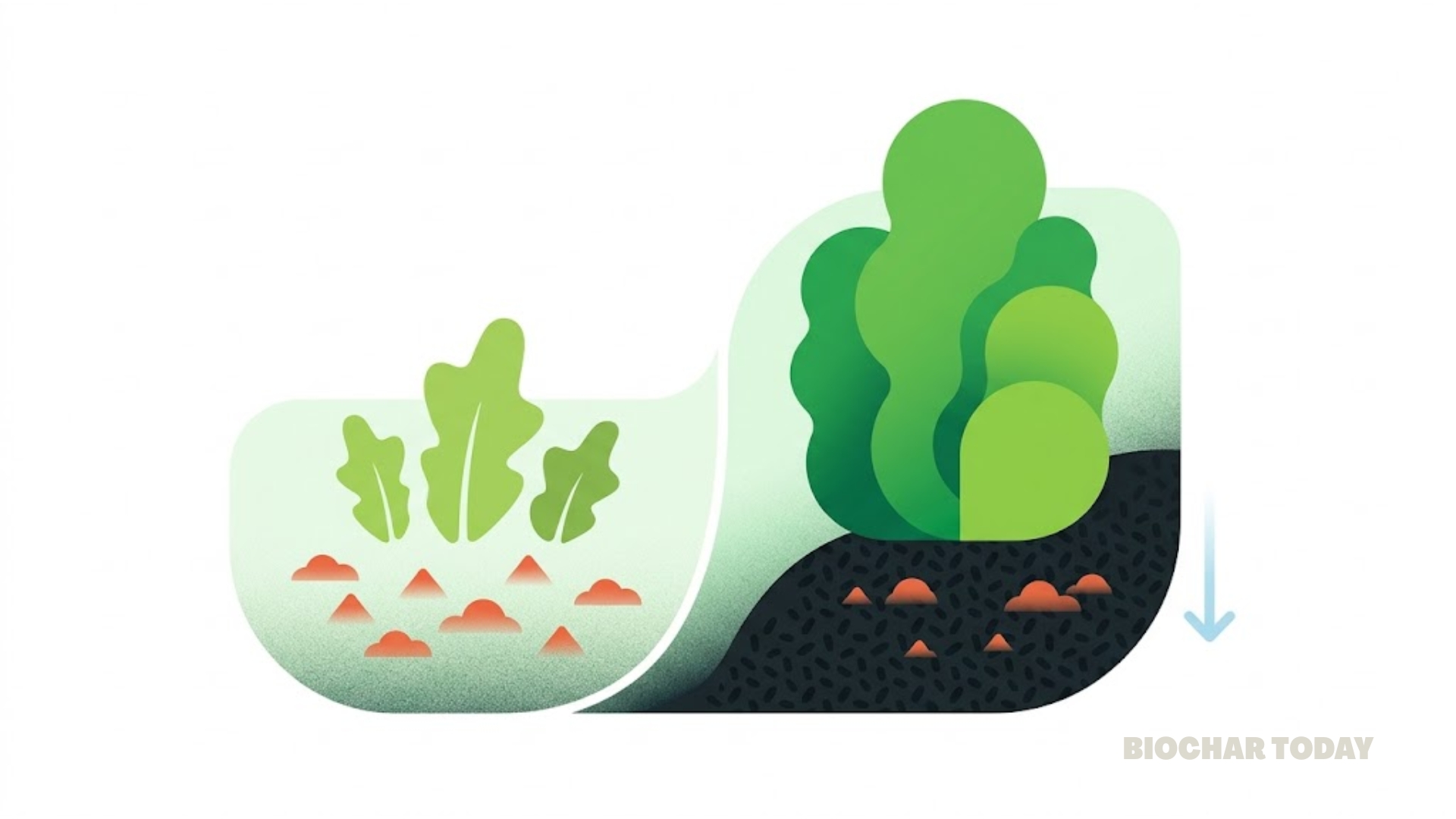
- Adding biocharBiochar is a carbon-rich material created from biomass decomposition in low-oxygen conditions. It has important applications in environmental remediation, soil improvement, agriculture, carbon sequestration, energy storage, and sustainable materials, promoting efficiency and reducing waste in various contexts while addressing climate change challenges. More to soil helps plants grow larger by making more nutrients available to them.
- Biochar can reduce the release of harmful greenhouse gases from farm fields into the air.
- The presence of tiny plastic pieces in the dirt can change how well biochar works to protect the environment.
- Different types of plastics, like those that break down naturally versus those that do not, have different effects on soil health.
- Using biochar remains a helpful way to boost crop production even when plastic pollution is present in the soil.
The journal Biochar recently published a study by Ziheng Zou, Qidong Yu, Runyu Chen, Jinyang Wang, and Xueyan Liu examining how the interaction between biochar and microplastics affects soil health and plant growth. The researchers focused on coriander plants grown in soil containing two common types of tiny plastic particles: polyethylene, which is found in traditional plastic films, and polylactic acid, a biodegradable alternative. Their findings suggest that biochar is a robust tool for improving agricultural productivity, though its environmental benefits regarding greenhouse gas reduction can be influenced by the specific types of plastic pollution present in the field.
One of the most significant results of the study was the consistent increase in plant size following the addition of biochar. Regardless of whether the soil contained microplastics, the coriander plants developed more aboveground biomassBiomass is a complex biological organic or non-organic solid product derived from living or recently living organism and available naturally. Various types of wastes such as animal manure, waste paper, sludge and many industrial wastes are also treated as biomass because like natural biomass these More. This growth was largely driven by an increase in the amount of ammonium nitrogen available in the soil, which serves as a vital nutrient for developing crops. Biochar acts as a reservoir for these nutrients, preventing them from washing away and ensuring the plants have a steady supply throughout their growth cycle. Even in the presence of plastic contaminants that might otherwise disrupt soil chemistry, the biochar provided a stable environment that supported healthier and larger plants.
Beyond helping plants grow, biochar demonstrated a clear ability to mitigate climate change by reducing the emission of nitrous oxide, a potent greenhouse gas. In soil without plastic pollution, the addition of biochar lowered these emissions by sixteen percent. This reduction is attributed to changes in the soil’s microbial community and chemical balance, which slows down the processes that typically release nitrogen into the atmosphere. However, the study revealed that the presence of microplastics can complicate this benefit. When the soil contained traditional polyethylene plastics, the ability of biochar to reduce these harmful emissions was somewhat diminished. This suggests that while biochar is highly effective on its own, its performance as an environmental protector is tied to the overall cleanliness of the soil.
The research also highlighted a distinct difference between traditional plastics and biodegradable ones. Polylactic acid, the biodegradable option, actually helped reduce nitrous oxide emissions and the abundance of certain microbial genes responsible for gas production, whether biochar was added or not. In contrast, traditional polyethylene had a more disruptive effect on the soil’s natural nitrogen cycle. This distinction is crucial for modern farming, where plastic mulching is common. It suggests that moving toward biodegradable materials could complement the use of biochar to create a more sustainable agricultural system. The study emphasizes that understanding these complex interactions is essential for maximizing the benefits of soil amendments in real-world conditions.
In conclusion, the findings confirm that biochar is a versatile and effective amendment for increasing crop yields and lowering the carbon footprint of vegetable farming. While the sixteen percent reduction in greenhouse gas emissions is a major win for sustainable agriculture, the study serves as a reminder that plastic pollution can alter soil functions in unexpected ways. By increasing available nitrogen, biochar ensures that coriander and potentially other vegetables can thrive even in less-than-ideal soil conditions. Future agricultural strategies will likely need to account for these interactions to ensure that the transition to greener farming practices is as efficient as possible. The evidence clearly supports the continued use of biochar as a primary method for enhancing soil fertility while simultaneously addressing atmospheric warming.
Source: Zou, Z., Yu, Q., Chen, R., Wang, J., & Liu, X. (2025). Biochar-microplastics interaction modulates soil nitrous oxide emissions and microbial communities. Biochar, 7(15).





Leave a Reply