

Key Takeaways
- BiocharBiochar is a carbon-rich material created from biomass decomposition in low-oxygen conditions. It has important applications in environmental remediation, soil improvement, agriculture, carbon sequestration, energy storage, and sustainable materials, promoting efficiency and reducing waste in various contexts while addressing climate change challenges. More provides a sustainable alternative to traditional peat and growing additives, helping to protect natural ecosystems.
- Soil mixes containing biochar improve water retention, allowing crops and plants to survive severe heat and drought.
- Adding biochar to soil enhances nutrient availability and crop yields across agricultural and horticultural settings.
- Converting excess urban and agricultural biomassBiomass is a complex biological organic or non-organic solid product derived from living or recently living organism and available naturally. Various types of wastes such as animal manure, waste paper, sludge and many industrial wastes are also treated as biomass because like natural biomass these More into biochar keeps organic waste out of landfills.
- Voluntary carbon credit markets offer financial benefits to growers and soil manufacturers who utilize biochar.
Growing media and horticultural industries face rising costs, supply chain disruptions, and environmental concerns surrounding peat extraction. In response, agricultural managers and commercial soil formulators are turning to biochar as a natural, locally sourced, and durable amendment. Derived from diverse biogenic materials such as fallen leaves, orchard prunings, and wood scraps, biochar offers a functional substitute for ingredients like perlite, vermiculite, and Sphagnum peat. When incorporated into soil blends, it alters the physical and biological profile of the growing environment. By utilizing local waste streams, producers reduce landfill volumes while simultaneously building resilient substrates capable of handling environmental stress.
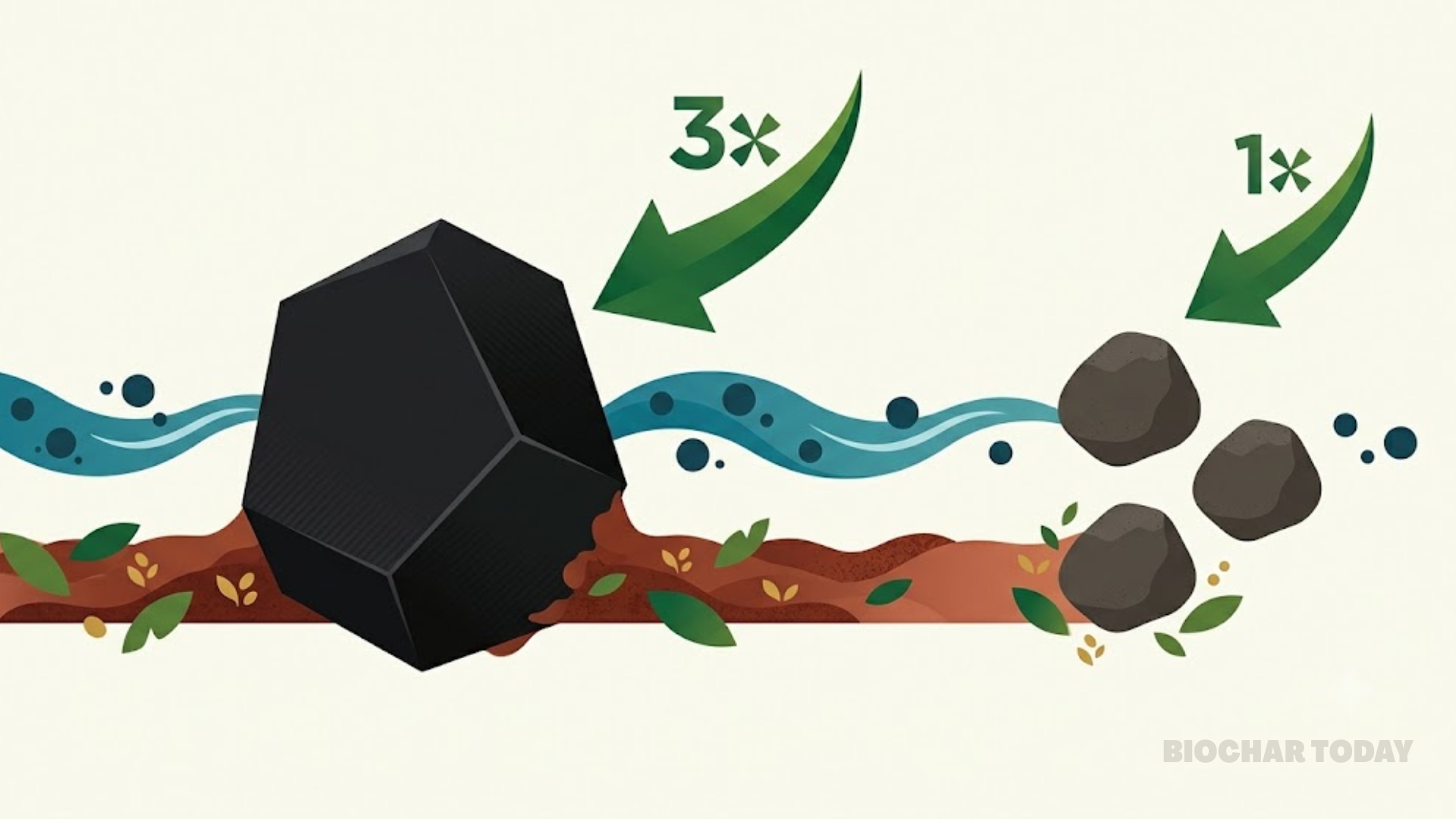
The primary operational advantage of integrating biochar into soil media lies in its ability to retain moisture and stabilize plant health during severe weather events. Biochar particles act as structural bulking agents that improve soil aeration and increase total water-holding capacity. During prolonged periods of heat and drought, plants growing in biochar-amended substrates maintain access to stored water, drastically lowering mortality rates. This hydration benefit translates directly to improved agricultural productivity. Field observations and laboratory tests show noticeable yield improvements in crops such as tomatoes, blueberries, wheat, barley, and maize, particularly when grown in light or sandy soils exposed to high temperatures.
Beyond moisture management, biochar significantly enhances the biological and chemical fertility of rootzones. Quality biochar features a high cation exchange capacity, allowing it to hold essential plant nutrients within the soil profile rather than letting them leach away. When pretreated or inoculated with beneficial microorganisms, biochar acts as a stable host structure, fostering robust microbial activity that drives long-term soil health. In turf management and high-traffic green spaces, sand and biochar mixtures maintain structural integrity over hundreds of years, unlike peat which degrades over time. These combined properties reduce the need for synthetic chemical inputs and frequent irrigation cycles.
The economic landscape surrounding biochar adoption extends beyond crop performance to encompass direct revenue opportunities through carbon markets. Because biochar locks atmospheric carbon into a stable solid form for centuries, its application generates measurable carbon benefits. Voluntary carbon buyers currently value these contributions, creating a distinct income stream for nursery operators, farmers, and commercial composters. While regional supply chains continue to scale up production to meet commercial demand, the integration of biochar into soil media establishes a practical framework for climate resilience, waste reduction, and enhanced agricultural profitability.
Source: American Biochar Institute. (2026). Biochar increases plant survival: Use less water. Increase yield. Nebraska Forest Service.



Leave a Reply