
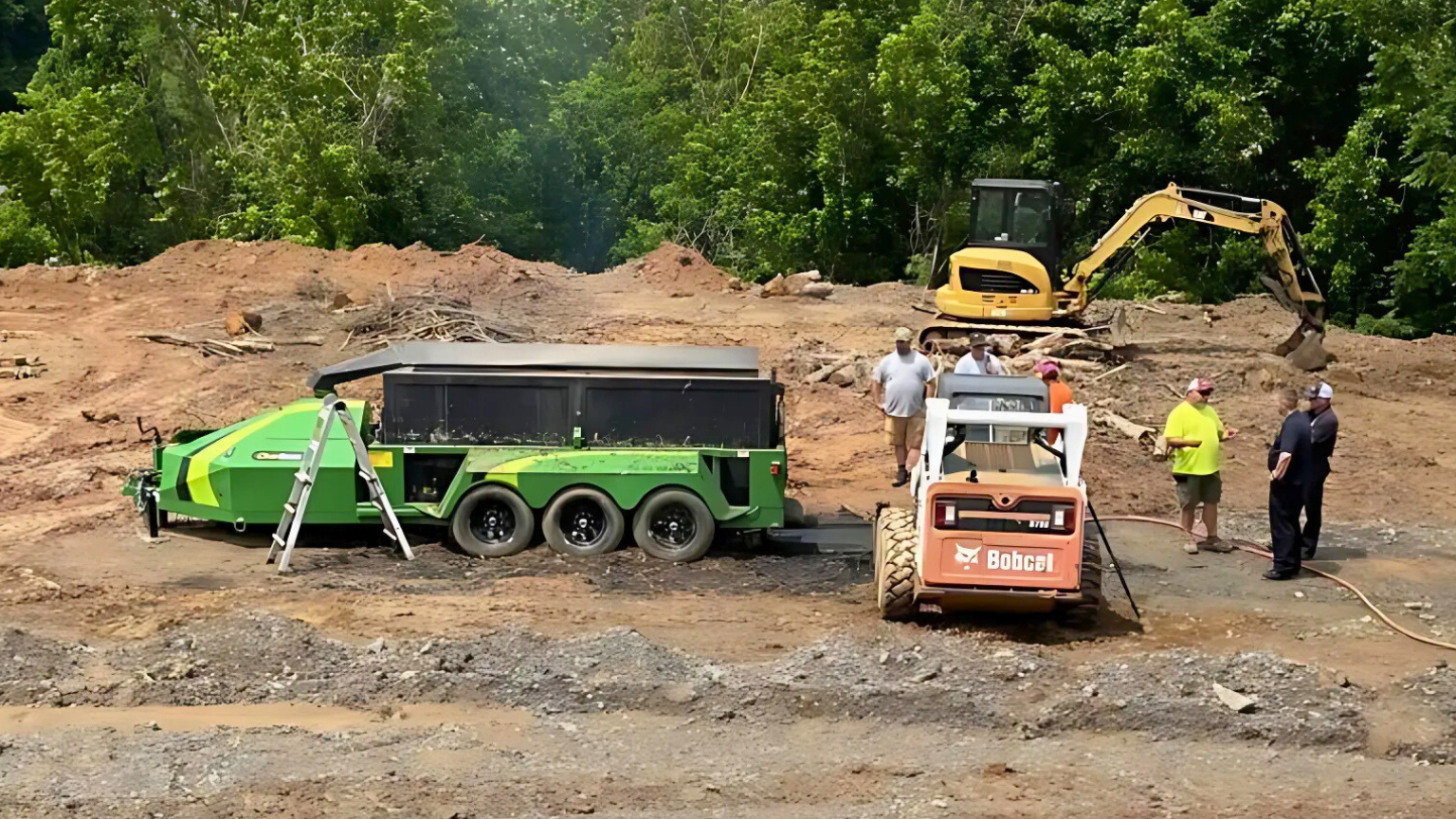
The City of Asheville recently completed a successful biocharBiochar is a carbon-rich material created from biomass decomposition in low-oxygen conditions. It has important applications in environmental remediation, soil improvement, agriculture, carbon sequestration, energy storage, and sustainable materials, promoting efficiency and reducing waste in various contexts while addressing climate change challenges. More pilot project, running from May 5 to June 5, 2025, demonstrating a practical approach to sustainable waste management and resource recovery. This collaborative effort, undertaken with the assistance of the US Forest Service (USFS) at the Southern Research Station, leveraged loaned equipment and expert training to convert woody waste into valuable biochar.
The pilot utilized a mobile Charboss unit, which employs air curtain technology for a low-oxygen conversion process, minimizing smoke and emissions. Over 10 operational days, with an additional three days dedicated to setup and training, a three-person crew from Public Works and Parks and Recreation processed approximately 420 cubic yards of woody waste from typical City operations. This involved the use of an excavator, skid steer, and water truck. The process consumed approximately 140 gallons of diesel and 300 gallons of water. This yielded about 6.25 cubic yards of biochar, representing a volume reduction of over 95%.
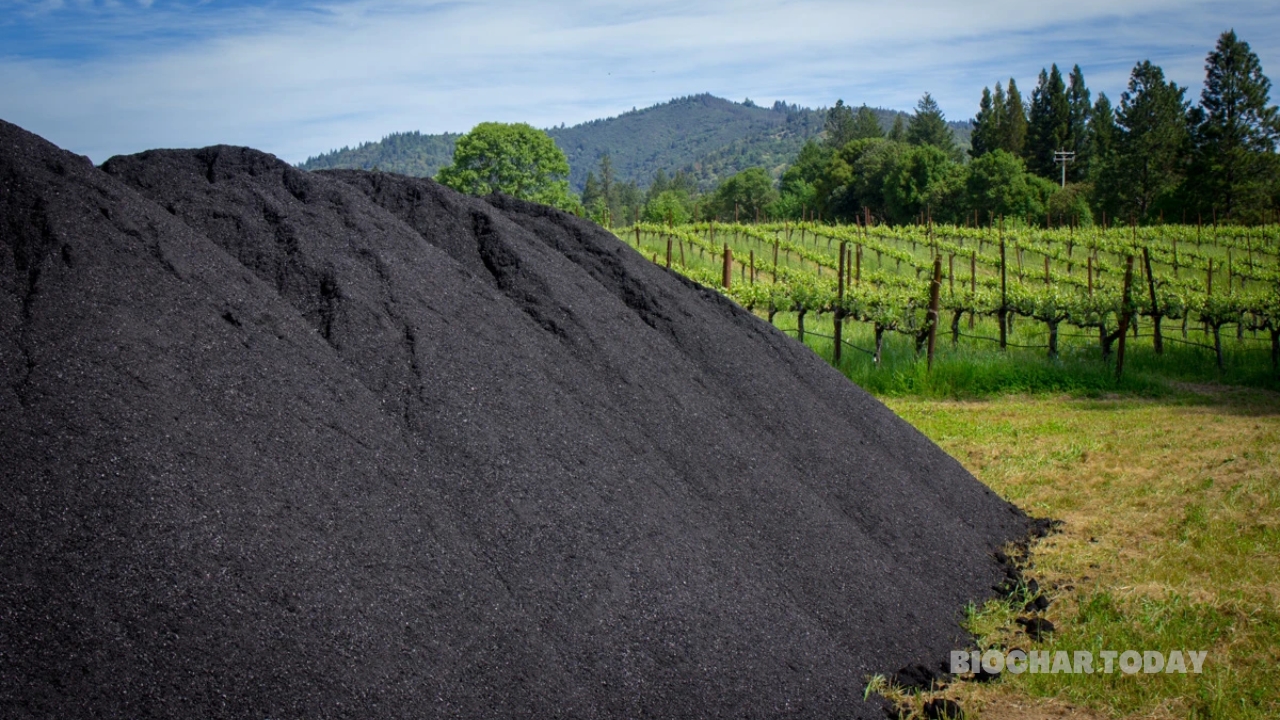
This initiative underscores the growing global interest in biochar as a stable carbon product. Its applications span soil improvement through enhanced nutrient and water retention, stormwater pollutant removal, and long-term carbon sequestration—a vital strategy for climate change mitigation. The pilot effectively demonstrated that woody waste, traditionally a financial burden due to tipping fees, can be transformed into a valuable asset. Beyond reduced disposal costs, the project also aligns with wildfire risk management and carbon emissions offset goals.
While the Charboss proved effective for the pilot’s proof-of-concept, its processing speed of approximately 1 ton per hour highlights a limitation when considering the City’s typical volume of material generated. The pilot processed less than 7% of the Sanitation Division’s average material creation during the same 30-day period. For context, the Sanitation Division alone processes an average of over 40,000 cubic yards (or 1,635 truckloads) annually, with Streets and Parks also contributing significant wood waste. This suggests a clear need for larger-scale equipment to efficiently process the City’s typical volume of woody material using the same or less staff time.
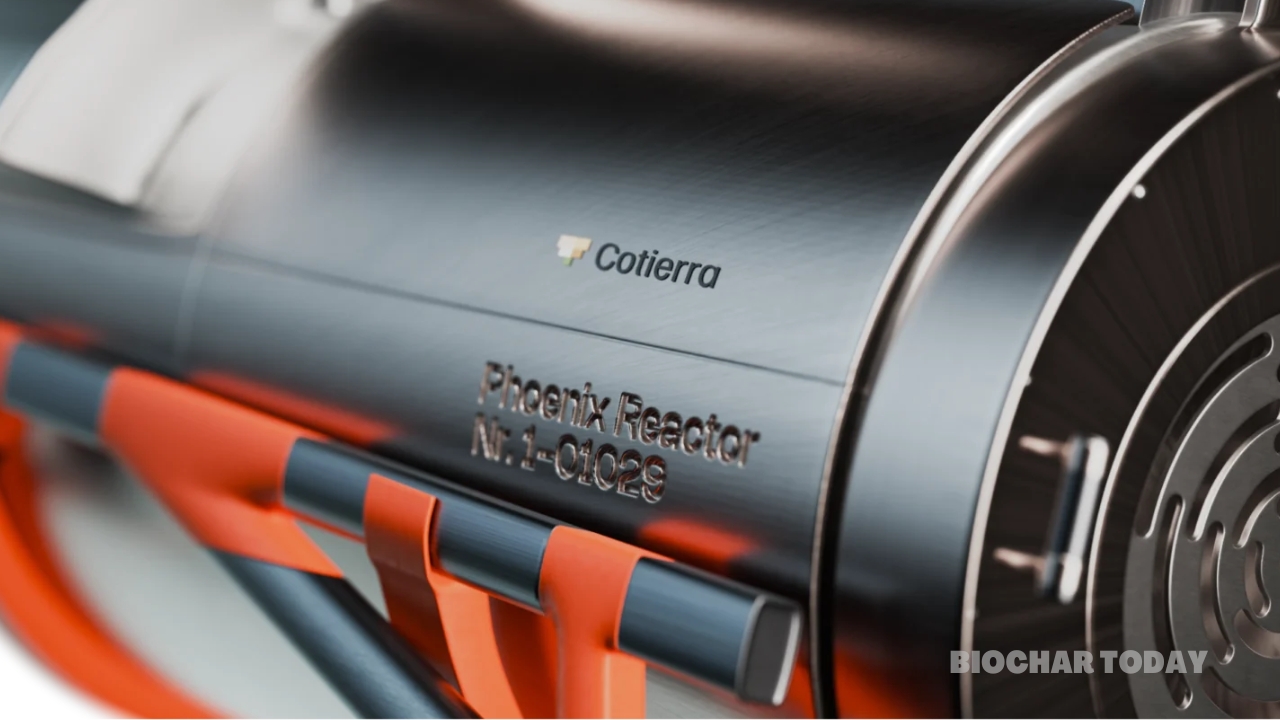
Initial analysis of larger machines, such as the TigerCat 6040, indicates their potential for quick processing of the City’s wood waste and economic viability through estimated revenue from biochar sales and carbon credits. Furthermore, reactor systems warrant further analysis due to their significant benefits, including renewable energy generation, single-operator capacity, 24/7 operation, high-quality biochar production, and material flexibility. The pilot also revealed that factors like weather, material pre-processing, and moisture content can impact process efficiency.
Assistant Fire Chief Jeremy Knighton highlighted the project’s success as a model for inter-agency cooperation in addressing community challenges, acknowledging the USFS’s crucial support in terms of time, expertise, equipment, and overall assistance. The biochar produced during this pilot will be subjected to small-scale trials, focusing on its potential in landscape improvement, stormwater management, and even post-Helene farm soil rehabilitation. Further research and analysis, including exploring regional collaboration and alternative technology deployment strategies, will guide future recommendations for broader biochar production in Asheville. This pilot project exemplifies how strategic collaborations can effectively turn waste into a valuable resource, offering tangible benefits for environmental sustainability and operational efficiency within a municipal framework.



Leave a Reply