
Key Takeaways
- Adding biocharBiochar is a carbon-rich material created from biomass decomposition in low-oxygen conditions. It has important applications in environmental remediation, soil improvement, agriculture, carbon sequestration, energy storage, and sustainable materials, promoting efficiency and reducing waste in various contexts while addressing climate change challenges. More to the soil in vertical gardens significantly improves a building’s ability to keep heat in.
- Biochar helps garden walls hold onto moisture longer, which can reduce the amount of water needed for irrigation.
- Using biochar makes the garden soil lighter, which places less physical stress on the building structure.
- This material acts as a natural insulation layer that can help lower energy bills and carbon emissions.
- Garden walls with biochar mixtures performed better at lower moisture levels, providing a more stable indoor temperature.
In a detailed investigation published in the journal Biochar, researchers Josh Batterham, João Alencastro, Thomas Murphy, Jack Morewood, and Steve Goodhew explored how different soil mixtures affect the energy efficiency of living wall systems. Living walls, which are vertical gardens attached to the sides of buildings, have long been praised for their ability to improve air quality and increase biodiversity in urban areas. However, this new research highlights a major breakthrough in how these systems can also serve as powerful insulators for the built environment. By testing various combinations of green waste compost and biochar, the team discovered that the composition of the planting substrate is a critical factor in determining how well a building retains heat.
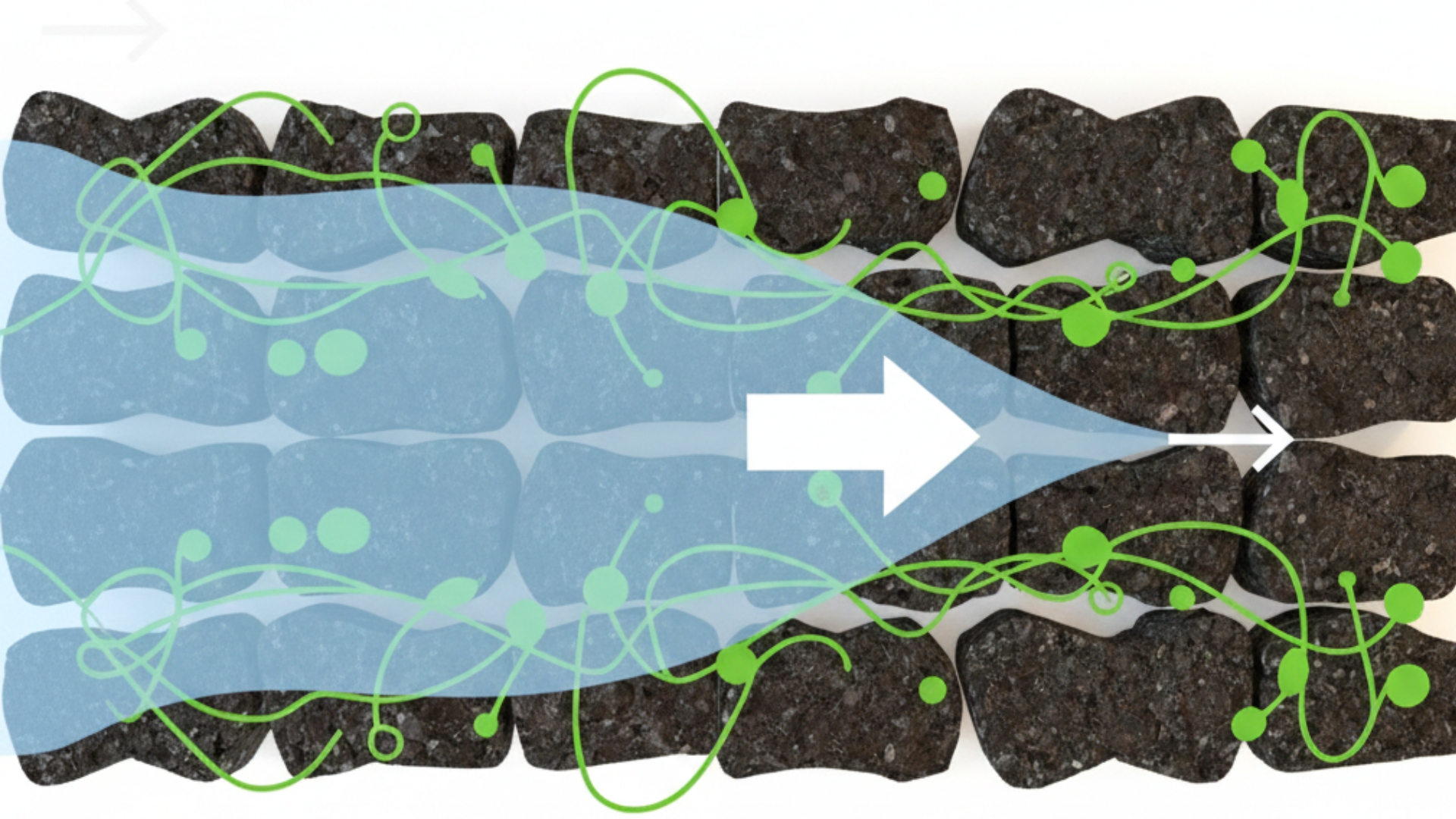
The primary finding of the study is that increasing the amount of biochar in the planting soil leads to a significant reduction in thermal conductivity. When the researchers added thirty percent biochar to standard green waste compost, the material became much more resistant to heat flow. Specifically, at a common moisture level, the biochar-enhanced soil provided nearly double the thermal resistance compared to traditional compost alone. This suggests that architects and building owners could use these advanced soil mixtures to drastically improve the energy performance of their properties, potentially lowering the amount of electricity and gas needed for heating and cooling.
Moisture levels played a fascinating role in these results, showing a non-linear relationship with insulation. While wetter soil generally conducts more heat, the biochar mixtures proved to be exceptionally effective as the soil dried out. The study revealed that biochar helps regulate the soil environment by holding onto water more effectively over time, which supports plant health while simultaneously maintaining better insulation properties at lower moisture levels. This dual benefit means that a living wall using biochar would not only keep a building warmer in the winter but would also require less frequent watering, saving both energy and water resources.
Another significant advantage of using biochar is its impact on the physical weight of the living wall system. Because biochar is highly porous and has a low bulk density, it creates a much lighter soil mixture than traditional alternatives. In the experiments, the soil containing the most biochar was significantly lighter when saturated than the standard compost. For large-scale building projects, this weight reduction is a major benefit as it lowers the structural load-bearing requirements, making it easier and safer to install extensive vertical gardens on a wider variety of building types, including older structures that may have weight limitations.
The study also noted that the larger particle sizes found in biochar mixtures contribute to increased porosityPorosity of biochar is a key factor in its effectiveness as a soil amendment and its ability to retain water and nutrients. Biochar’s porosity is influenced by feedstock type and pyrolysis temperature, and it plays a crucial role in microbial activity and overall soil health. Biochar More. These tiny air pockets within the soil act as barriers to heat transfer, further enhancing the insulating effect of the wall. This physical structure allows the soil to act more like modern building insulation while still providing the necessary nutrients and support for diverse plant life. While the researchers pointed out that soil alone is not as efficient as specialized industrial insulation like glass wool, the fact that living walls provide biodiversity and air purification in addition to insulation makes them a highly attractive “nature-based solution” for modern sustainable architecture.
In summary, this research provides the first quantitative evidence that biochar can transform living walls from simple aesthetic features into high-performance components of a building’s thermal envelope. By optimizing the ratio of biochar in planting substrates, developers can create greener, lighter, and more energy-efficient buildings. The findings empower professionals to make more informed decisions during the design stage of green infrastructure projects, ensuring that vertical gardens provide the maximum possible benefit to both the building occupants and the urban environment at large.
Source: Batterham, J., Alencastro, J., Murphy, T., Morewood, J., & Goodhew, S. (2026). Biochar to improve the thermal performance of living wall systems: laboratory assessment of three planting substrates. Biochar, 8(10).





Leave a Reply