Skip to content
LinkedIn
X
Facebook
Instagram
Reddit
Spotify
RSS Feed
Search
News
Blog
Industry Insights
Expert Profiles
Biochar Decoded
Ask Annie
Announcements
Podcast
Videos
Insights
Use Cases
Agriculture
Horticulture
Livestock
Landscaping
Building Materials
Concrete / Asphalt
Reforestation
Soil Remediation
Water Treatment
Carbon Sequestration
About
About Biochar Today
Partner Directory
Editorial Guidelines
Contact
Environmental Remediation
Integrated Farming Strategy Reduces Soil Forever Chemical Remediation Costs to 1460 Dollars Per Hectare While Removing 11 Million Tons of Carbon Dioxide Annually
Modified Biochar Achieves 161.91 mg/g Capacity for Water Antibiotic Removal
Traditional Chinese Medicine Residue Biochar Reaches Lead Adsorption Capabilities of 599.40 Milligrams Per Gram and Tetracycline Capacities of 930.3 Milligrams Per Gram
High-Dose Wood Biochar Reduces Farmland Nitrous Oxide Warming Sensitivity to 1.13 While Raising Forest Soil Values to 2.84
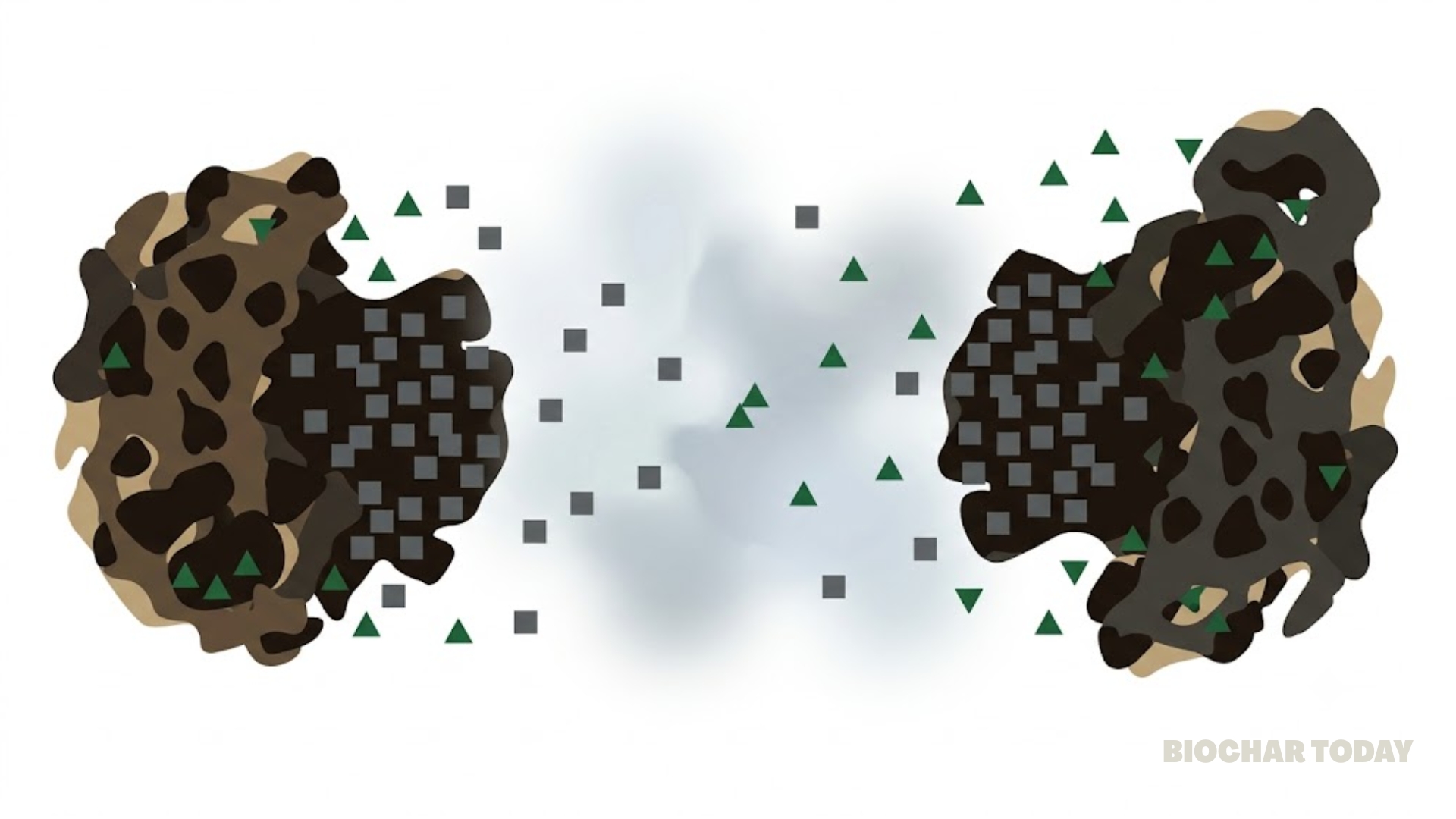
Evaluating Biochar Soil Impact Beyond Standard Stability Metrics
Integrated Thermochemical Approach Optimizes Energy and Nutrient Recovery from Anaerobic Digestate
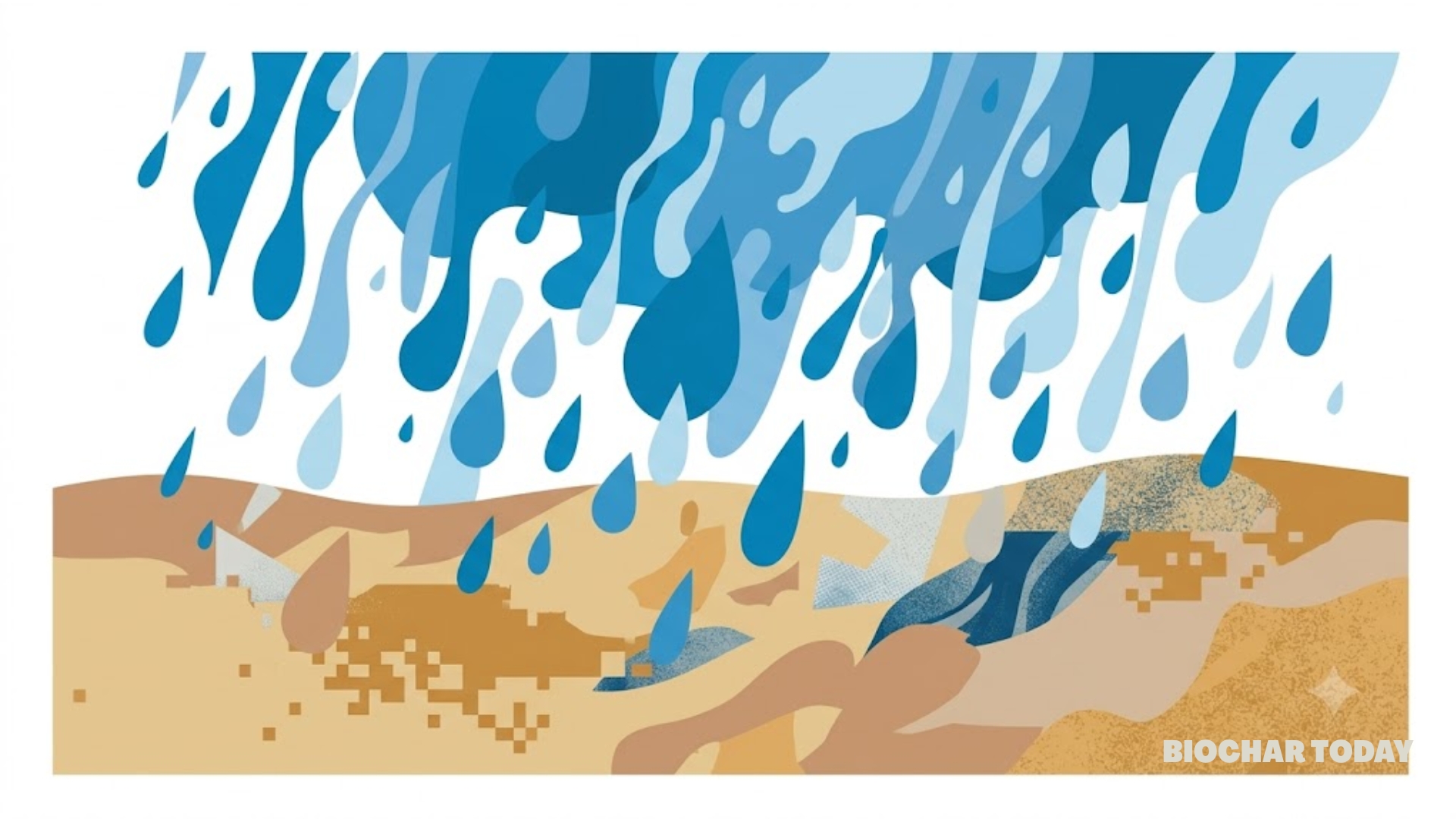
Heavy Rainfall Rather than Biochar Adjustments Governs Soil Performance in Coarse Agricultural Land
Magnesium Oxide Impregnated Combined Biochar Enhances Simultaneous Removal of Lead and Chromium from Wastewater
Modified Periwinkle Shell Biochar Removes up to Ninety-Six Percent of Toxic Heavy Metals and Thirty-Three Percent of Organic Pollutants from Paint Industrial Wastewater
Synthesized Azolla and Biochar Material Yields a 96.21 Percent Methylene Blue Adsorption Efficiency and Transitions into an Effective Electrocatalyst
Previous Page
1
…
4
5
6
7
8
…
33
Next Page
Loading Comments...
Write a Comment...
Email (Required)
Name (Required)
Website