
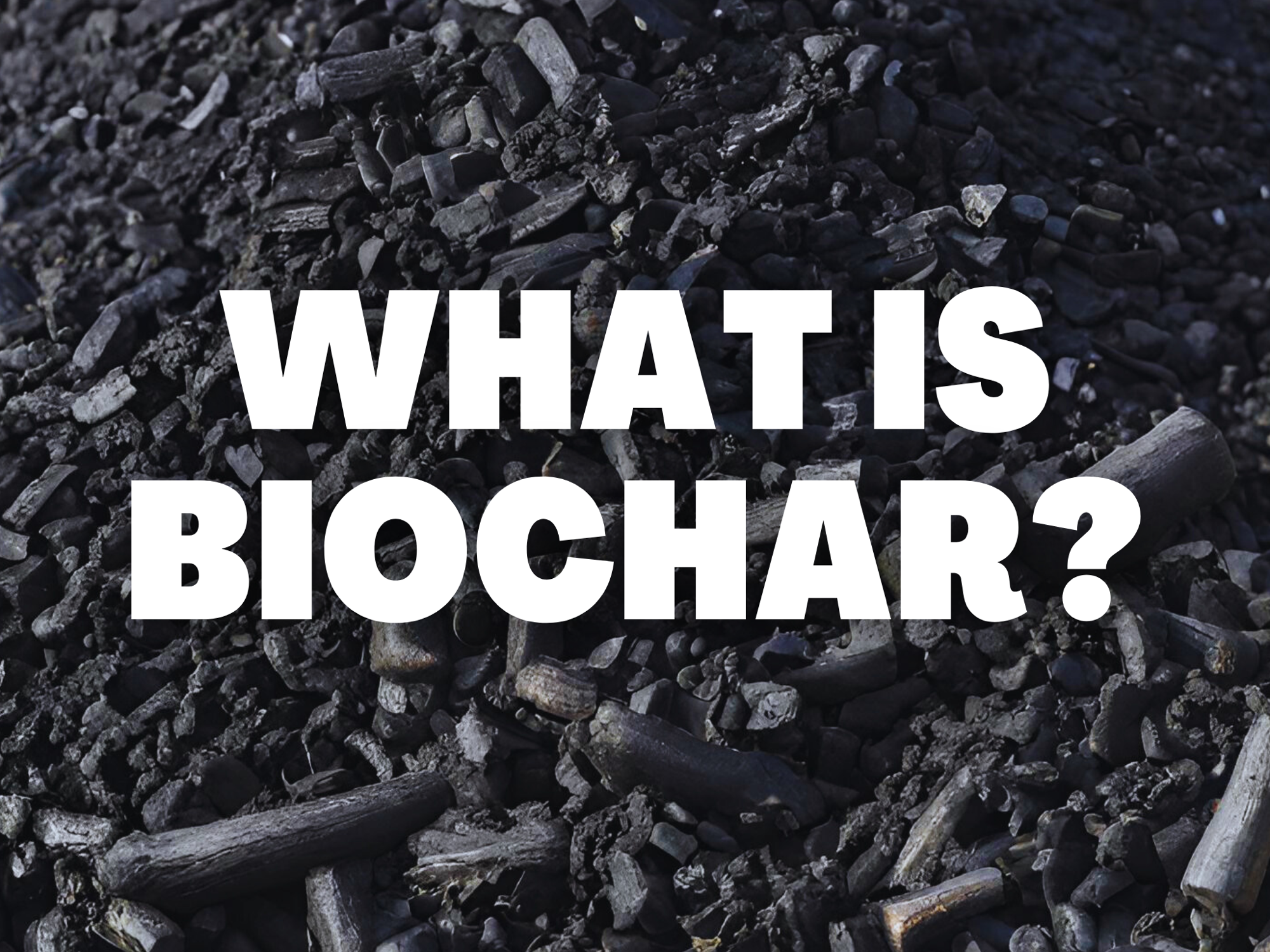
BiocharBiochar is a carbon-rich material created from biomass decomposition in low-oxygen conditions. It has important applications in environmental remediation, soil improvement, agriculture, carbon sequestration, energy storage, and sustainable materials, promoting efficiency and reducing waste in various contexts while addressing climate change challenges. More is a carbon-rich product derived from the thermal decomposition of organic material (biomassBiomass is a complex biological organic or non-organic solid product derived from living or recently living organism and available naturally. Various types of wastes such as animal manure, waste paper, sludge and many industrial wastes are also treated as biomass because like natural biomass these More) in an oxygen-limited environment, a process known as pyrolysisPyrolysis is a thermochemical process that converts waste biomass into bio-char, bio-oil, and pyro-gas. It offers significant advantages in waste valorization, turning low-value materials into economically valuable resources. Its versatility allows for tailored products based on operational conditions, presenting itself as a cost-effective and efficient More. This ancient technique, which has its roots in indigenous Amazonian agricultural practices, is gaining modern momentum due to its potential benefits for soil enhancement, carbon sequestration, and environmental sustainability.
Origins and Production
The concept of biochar is not new. Indigenous populations in the Amazon Basin created a fertile soil known as Terra PretaTerra preta, meaning “black earth” in Portuguese, is a type of highly fertile soil found in the Amazon Basin. It is characterized by its high biochar content, which contributes to its long-term fertility and ability to support productive agriculture More (Black Earth) thousands of years ago by mixing charcoalCharcoal is a black, brittle, and porous material produced by heating wood or other organic substances in a low-oxygen environment. It is primarily used as a fuel source for cooking and heating. More, bone, and manure into the soil, significantly enhancing its fertility and water retention capabilities. Today, biochar is produced using modern pyrolysis methods. Biomass such as agricultural waste, wood chips, and other organic materials is heated to high temperatures (between 300 and 700 degrees Celsius) in a low-oxygen environment. This process prevents the biomass from fully combusting, resulting in a stable form of carbon, along with bio-oil and syngasSyngas, or synthesis gas, is a fuel gas mixture consisting primarily of hydrogen and carbon monoxide. It is produced during gasification and can be used as a fuel source or as a feedstock for producing other chemicals and fuels. More, which can also be harnessed as energy sources.
Characteristics and Benefits
Biochar is distinguished by its high surface area, porosityPorosity of biochar is a key factor in its effectiveness as a soil amendment and its ability to retain water and nutrients. Biochar’s porosity is influenced by feedstock type and pyrolysis temperature, and it plays a crucial role in microbial activity and overall soil health. Biochar More, and rich carbon content. These characteristics are pivotal to its utility in various applications:
- Soil AmendmentA soil amendment is any material added to the soil to enhance its physical or chemical properties, improving its suitability for plant growth. Biochar is considered a soil amendment as it can improve soil structure, water retention, nutrient availability, and microbial activity. More: When incorporated into soil, biochar can improve soil health in several ways. It enhances soil structure, increases water retention, and improves nutrient retention, reducing the need for chemical fertilizers. Additionally, biochar provides a habitat for beneficial soil microbes, which play a crucial role in nutrient cycling and plant health.
- Carbon Sequestration: Biochar is stable and can remain in soil for hundreds to thousands of years, effectively sequestering carbon and reducing greenhouse gas emissions. This makes biochar an important tool in the fight against climate change, offering a way to capture and store carbon from the atmosphere in a stable form.
- Waste Management: By converting agricultural and forestry waste into biochar, the process reduces waste volume and can help mitigate the methane emissions associated with decomposition. This not only aids in waste reduction but also contributes to a circular economy.
- Water Purification: Due to its porous nature and large surface area, biochar can adsorb impurities from water, including heavy metals and other contaminants, making it useful in water purification systems.
Impact on Agriculture and Climate Change
The integration of biochar into agricultural practices can revolutionize sustainable farming. By improving soil fertility, reducing the need for chemical inputs, and increasing crop yields, biochar supports the resilience of agricultural systems against the backdrop of changing climate patterns. Furthermore, its role in carbon sequestration is vital for climate change mitigation efforts. By capturing atmospheric carbon and locking it away in soils, biochar contributes to the reduction of global greenhouse gas concentrations.
Challenges and Future Directions
Despite its potential, the widespread adoption of biochar faces several challenges. Production costs, logistical hurdles related to biomass supply and distribution, and a need for further research to fully understand biochar’s long-term effects on different soil types and ecosystems are among the primary concerns. Additionally, policies and incentives to support biochar production and use are still developing.
The future of biochar, however, looks promising. With ongoing research and technological advancements lowering production costs, and an increasing focus on sustainable agricultural practices and climate change mitigation strategies, biochar could play a significant role in the global sustainability agenda. Scaling up biochar production and utilization will require collaborative efforts among scientists, policymakers, farmers, and businesses to ensure that it is sustainable, economically viable, and environmentally beneficial.
Biochar represents a bridge between ancient knowledge and modern environmental science, offering a multifaceted solution to contemporary challenges of soil degradation, waste management, and climate change. Its benefits, ranging from improving soil health to sequestering carbon, make it an invaluable asset in the pursuit of sustainable agriculture and a healthier planet. As we look to the future, biochar stands out as a key player in the global effort to create resilient agricultural systems and combat climate change, embodying the synergy between traditional wisdom and innovative technology for a sustainable world.


Leave a Reply