

We all know, at its core, biocharBiochar is a carbon-rich material created from biomass decomposition in low-oxygen conditions. It has important applications in environmental remediation, soil improvement, agriculture, carbon sequestration, energy storage, and sustainable materials, promoting efficiency and reducing waste in various contexts while addressing climate change challenges. More is a carbon-rich material born from organic materials. While raw (pristine) biochar is already impressive, it often lacks the specific teeth needed to grab onto certain tough pollutants. Functionalization is the process of intentionally modifying biochar’s physical structure or molecular makeup. Think of it as upgrading a standard sponge with specialized scrubbers or chemical magnets designed to target specific environmental stains that a normal sponge would just miss.
Why It Matters: The Power of the Upgrade
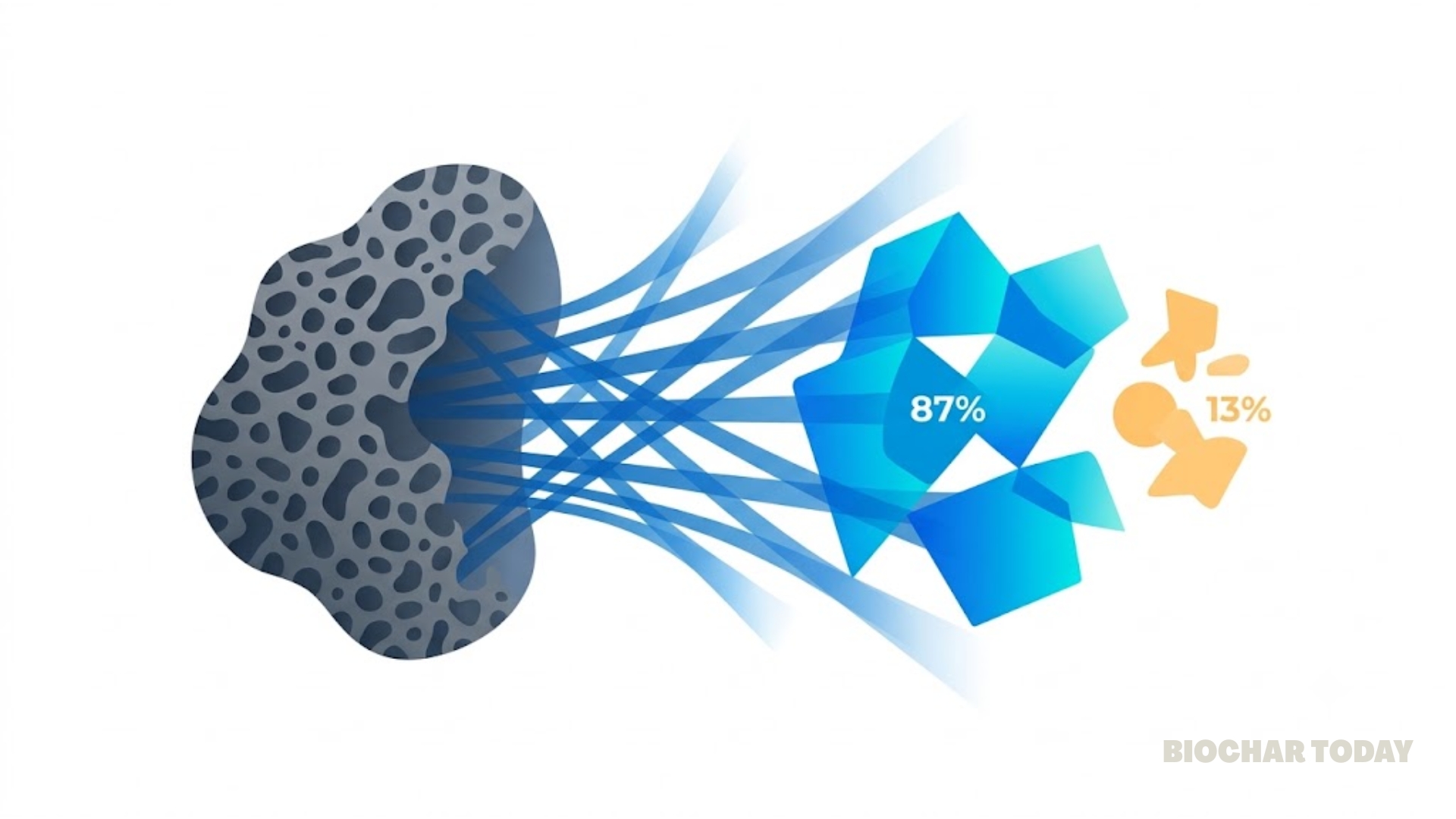
The importance of functionalization lies in efficiency. Raw biochar has limited adsorption sites and low surface functionality. By modifying it, we create a new type of carbon-based material with an enlarged surface area and a wealth of functional groups. This allows it to decontaminate soil and aquatic systems far more effectively than its raw counterpart, providing a sustainable, eco-friendly solution to global chemical pollution. It essentially turns a general-purpose tool into a precision instrument for environmental remediation.
How to Do It: The Big Three Methods
Scientists generally use three main pathways to functionalize biochar: Physical, Chemical, and Biological.
- Chemical Modification: This is the most common route, involving “soaking” biochar in acids, bases, or oxidizing agents to add oxygen-rich “sticky” spots.
- Physical Modification: This uses steam, CO2 or mechanical power (ball milling) to physically smash or etch the biochar, creating more pores and a higher surface area.
- Biological Modification: A newer frontier where microbes are inoculated onto the biochar, using the material as a “carrier” to help degrade pollutants like diesel oil or antibiotics.
Transformation: How Properties Change
When we functionalize biochar, we see dramatic shifts in its personality. Chemically, it might gain more carboxyl or hydroxyl groups, which act as binding sites for heavy metals. Physically, the specific surface area (SSA) can skyrocket; for example, steam activation can significantly increase pore volume and surface area compared to raw char. These changes influence the biochar’s zeta potential (surface charge) and its electron transfer capacity, making it a better catalyst for breaking down organic toxins.
Uses: From Water Filters to Soil Healers
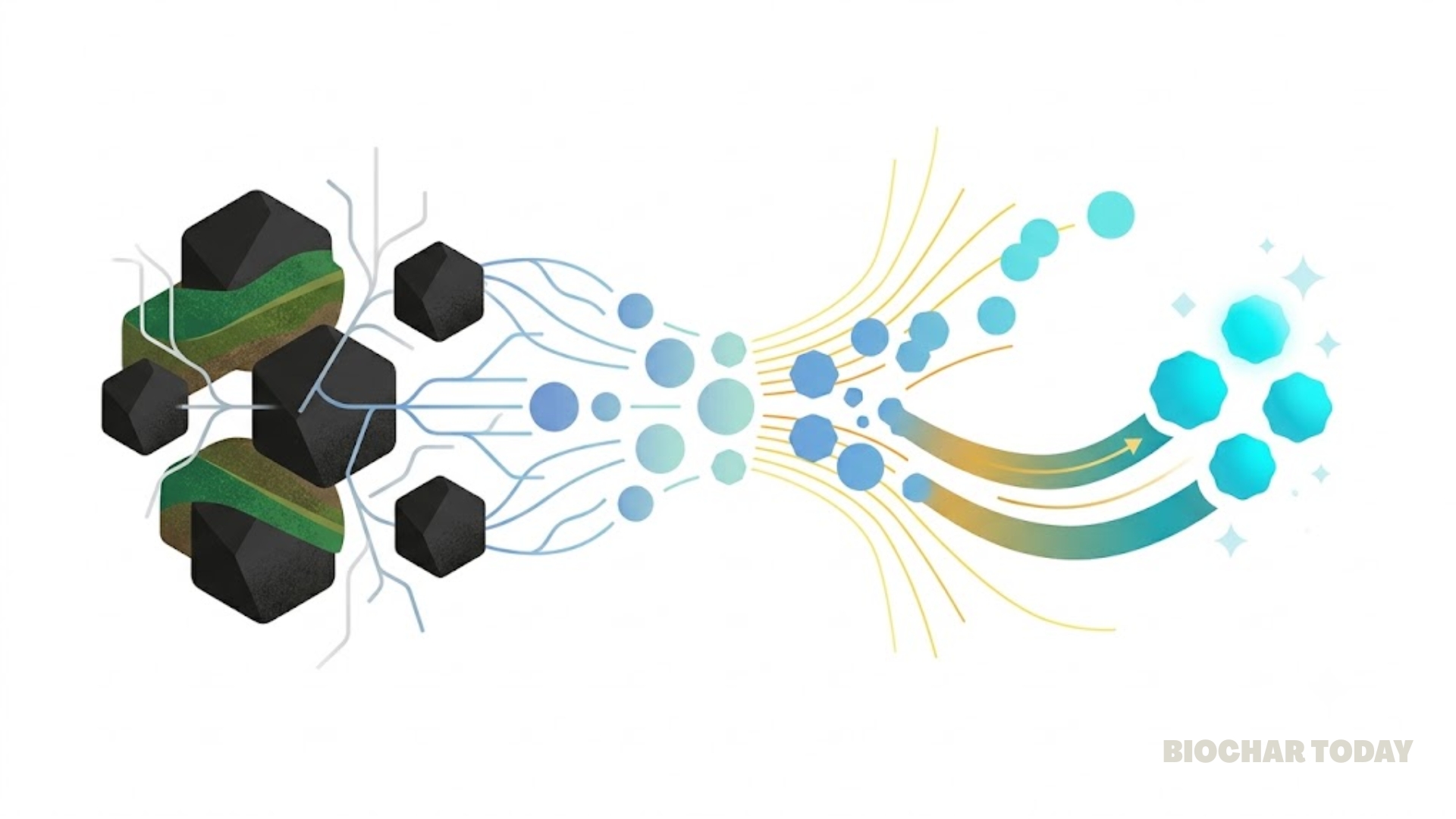
The applications are vast and vital. In water systems, modified biochar can remove everything from heavy metals like lead and cadmium to emerging pollutants like pharmaceuticals and dyes. In the soil, it acts as a stabilizer—immobilizing toxic metalloids like arsenic so they don’t end up in our food, such as rice grains. Beyond cleaning, these materials can improve soil fertility, sequester carbon to fight climate change, and even be recycled using magnets if they’ve been “doped” with iron oxides.
The Road Ahead: Challenges to Overcome
Despite the hype, spilling the char requires a dose of reality. Many functionalization techniques are still in their infancy. Challenges include the high cost of some nanomaterials (like carbon nanotubes) and the energy-intensive nature of physical activation. There is also a “knowledge gap” regarding how these modified chars age over time in the wild and whether the chemicals used to modify them might cause their own ecotoxicological issues. Future research into artificial intelligence and machine learning is now being tapped to help us design the perfect, low-cost biochar for a cleaner tomorrow.


Leave a Reply