
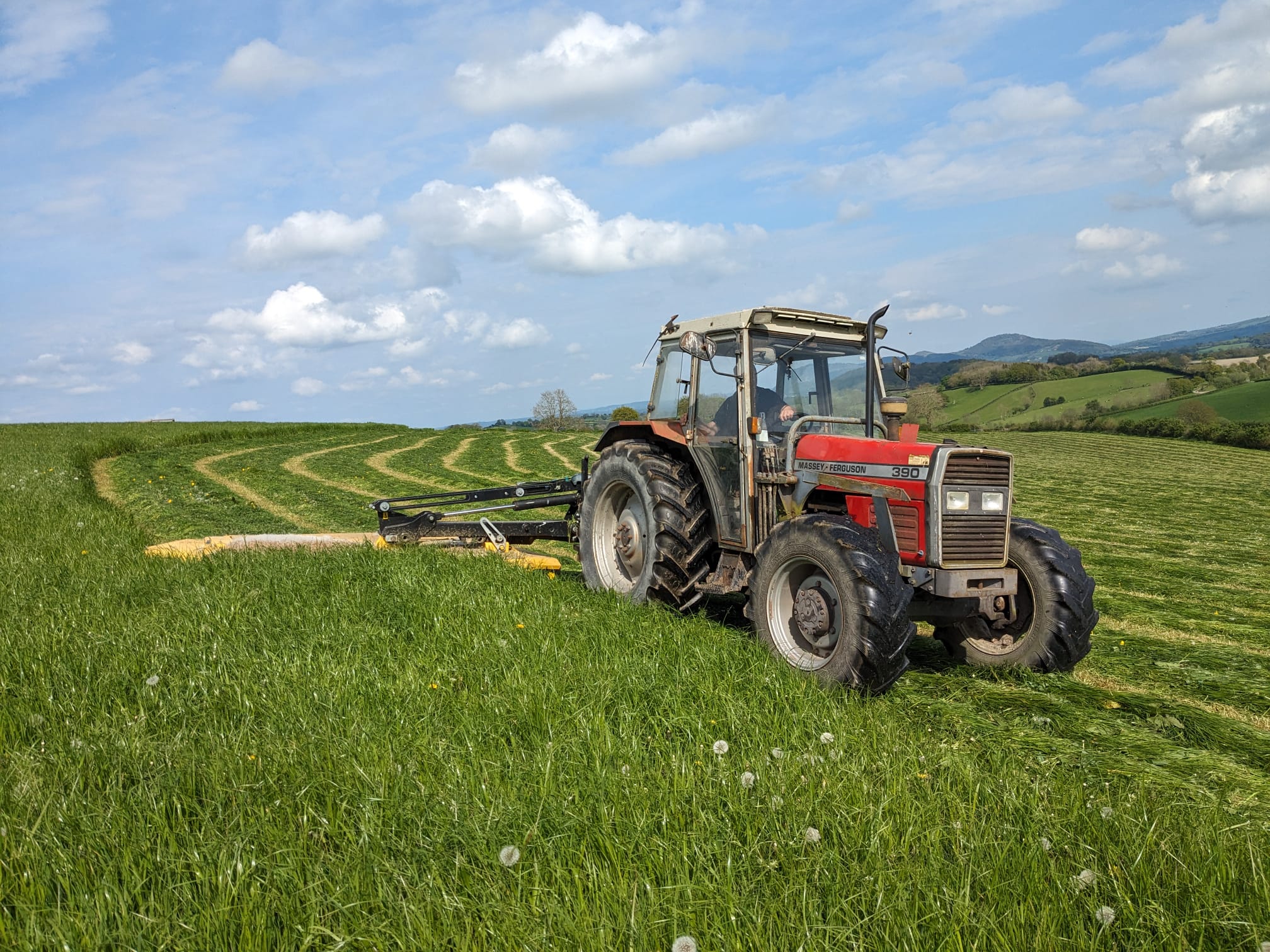
Shropshire Council’s ambitious goal of achieving carbon neutrality by 2030 is driving innovative approaches to waste management and carbon sequestration. At the heart of this effort is a biocharBiochar is a carbon-rich material created from biomass decomposition in low-oxygen conditions. It has important applications in environmental remediation, soil improvement, agriculture, carbon sequestration, energy storage, and sustainable materials, promoting efficiency and reducing waste in various contexts while addressing climate change challenges. More carbon capture & energy project, a multi-stakeholder initiative that offers valuable insights for other local authorities and the wider biochar carbon capture industry by turning waste into valuable resources.
This project, involving key partners like Klere, Woodtek Engineering, and the joint venture Biodynamic Carbon Ltd, is leveraging unique technology and a proactive strategy to overcome challenges and build a sustainable biochar market. The recent briefing provided a detailed look into the project’s origins, progress, and future potential.
Project Genesis and Motivation
Shropshire Council’s commitment to an ambitious 2030 carbon neutrality target spurred the exploration of various carbon sequestration methods. Dan Wrench,Carbon and Climate Project Officer, identified waste biomassBiomass is a complex biological organic or non-organic solid product derived from living or recently living organism and available naturally. Various types of wastes such as animal manure, waste paper, sludge and many industrial wastes are also treated as biomass because like natural biomass these More from hedge and roadside cuttings and trees infected with ashAsh is the non-combustible inorganic residue that remains after organic matter, like wood or biomass, is completely burned. It consists mainly of minerals and is different from biochar, which is produced through incomplete combustion. Ash Ash is the residue that remains after the complete More dieback as a significant potential feedstockFeedstock refers to the raw organic material used to produce biochar. This can include a wide range of materials, such as wood chips, agricultural residues, and animal manure. More. Traditional methods of dealing with this biomass involved costly removal and processing, with contractors often selling the material themselves. The idea of converting this waste stream into valuable resources such as energy and biochar, simultaneously addressing waste management costs and contributing to carbon sequestration, became a key driver for the project.
Richard Macdonald, the council’s estates manager, brought a property development perspective to the project, recognizing the potential for multiple revenue streams beyond just carbon credits. These include the sale of biochar, potential electricity generation from combined heat and power (CHP) systems, heat sales to off-takers, and even gate fees for accepting certain waste feedstocks. While financial viability is crucial for scaling, the primary motivation remains environmental.
Key Players and Collaboration Model
The project’s success is heavily reliant on a collaborative ecosystem. Shropshire Council provides the strategic direction, feedstock source, and initial investment. Woodtek Engineering, a family business with decades of experience in biomass boilers and wood chip dryers, brings its unique vertical pyrolysisPyrolysis is a thermochemical process that converts waste biomass into bio-char, bio-oil, and pyro-gas. It offers significant advantages in waste valorization, turning low-value materials into economically valuable resources. Its versatility allows for tailored products based on operational conditions, presenting itself as a cost-effective and efficient More technology. Biodynamic Carbon, a 50/50 joint venture between Shropshire Council and Carbon Hill (a sister company of Woodtek), serves as the operating entity, managing the equipment and facilitating market entry. This includes the sale of carbon removal certificates on Puro.Earth.
Klere, a consultancy specializing in nature data and carbon capture, provides crucial program management, business development and stakeholder engagement expertise for the project’s efficient delivery. Their experience in managing complex projects and building stakeholder communities has been instrumental in the project’s rapid development and ability to navigate potential hurdles. Other stakeholders mentioned include Enviroconsult for planning and permitting, and Ricardo for technical aspects.
This collaborative structure, particularly the joint venture with Woodtek Engineering, allowed Shropshire to accelerate the project timeline and gain practical experience more quickly than a traditional procurement route.
The Pilot Project in Wales
The story began with a pilot facility located in Wales, hosted by Woodtek Engineering. Woodtek’s existing facility, sometimes referred to as “Betty”, allowed Woodtek to test a wide range of feedstock types and explore markets for biochar and carbon credits. This facility allowed Shropshire Council to dip its “toe in the water into biochar”. While the larger Ludlow facility funding was approved earlier, the joint venture and the readily available site in Wales allowed them to begin producing biochar and gaining practical experience about a year sooner than the Ludlow project would have permitted. This pilot phase, leveraged a new innovative upgraded unit, the C1000, serving as a vital learning ground and a demonstration of the technology’s capabilities before the construction of the dedicated facility at Ludlow. (This is already proving a vital learning ground and a demonstration of the technology’s capabilities which can inform the development of the facility at Ludlow and the advice given to both public and private sector interests.)

Technology and Process
Woodtek Engineering’s pyrolysis system is a key differentiator. Stuart Jones, Director of Woodtek, describes it as a unique vertical system, initially designed to handle low-grade, contaminated feedstock like compost tailing. The vertical design is seen as reducing blockages and downtime, contributing to the system’s reliability.
The process, which Stuart Jones suggests is closer to gasificationGasification is a high-temperature, thermochemical process that converts carbon-based materials into a gaseous fuel called syngas and solid by-products. It takes place in an oxygen-deficient environment at temperatures typically above 750°C. Unlike combustion, which fully burns material to produce heat and carbon dioxide (CO2), gasification More than traditional pyrolysis, involves a central fed furnace and a moving grate, allowing for precise control over combustion. A key advantage highlighted is that the system combusts everything internally, avoiding the production of vinegars, oils, or export of gases, which simplifies regulatory compliance and safety (e.g., avoiding ATEX regulations). This internal combustion also provides significantly more energy in terms of heat compared to traditional screw-fed pyrolysis machines, which is beneficial for potential CHP applications.
The system works best with dry feedstock, ideally below 15% moisture content, and Woodtek has in-house technology and experience with drying biomass to the required levels. The current feed rate for their unit is around 400-450 kilograms per hour.
Market Development and Overcoming Challenges
A crucial aspect of Shropshire’s approach is the strong focus on market development alongside technology deployment. Recognizing that “if you build it, they will come” is not a viable strategy, the project team has actively engaged with potential end-users across various sectors. Trials are underway with asphalt manufacturers, poultry farmers, and materials manufacturers to explore diverse applications for the biochar.
The poultry farming trials, in particular, have shown promising results in improving bird health and potentially reducing ammonia emissions, leading farmers to be willing to pay a premium for the biochar due to the resulting increase in yields. Engaging with highway subcontractors and other local businesses also helps create a local market for the product.
One significant challenge identified is the regulatory landscape regarding the use of green waste for biochar production. Currently, biochar is not consistently recognized as a recycled product under existing regulations, necessitating the initial use of non-waste agricultural arisings as feedstock. The project team is actively lobbying the government and collaborating with academic institutions to advocate for changes to these regulations.
Another challenge has been overcoming negative public perceptions of pyrolysis, often conflated with incineration or plastic and rubber pyrolysis. The project has proactively addressed this through extensive community engagement, including public events, hands-on demonstrations with small-scale biochar units, press releases, and open days at their facility. This transparent and educational approach, highlighting the environmental benefits and addressing concerns directly, has been crucial in gaining community support and navigating the planning process successfully. The contrast with another project in Herefordshire led by a different organisation that faced significant objections underscores the importance of this proactive engagement.
Timeline and Future Outlook
The project is moving forward with clear next steps. The Ludlow facility, which received £2 million in funding approval, is expected to be operational by early January 2026, with site works commencing soon.
Beyond Ludlow, Shropshire Council and its partners are exploring several avenues for expansion and broader impact. They are working with other local authorities, sharing their knowledge and developing a “how-to guide” for implementation to facilitate wider adoption of biochar projects across the UK.
The development of a simplified, or “dumbed-down,” unit is also in progress. These smaller units, designed to operate on prepared feedstock like wood chips or pellets, are intended to replace traditional biomass boilers in institutions such as hospitals, schools, and swimming pools. This could create a significant decentralized carbon sequestration initiative while simultaneously reducing energy costs for these large emitters.
While the immediate focus is on the UK market, both Klere and Woodtek are open to exploring international opportunities as they arise, leveraging Woodtek’s experience with international shipments and containerized unit design. Discussions are already taking place regarding potential applications in Canada, particularly within Indigenous communities looking for smaller, suitable energy systems.
Our Take
Shropshire Council’s biochar project represents a compelling case study in how local government can drive innovation and sustainability through strategic partnerships and proactive engagement. The project’s success to date can be attributed to several key factors:
- Clear Vision and Ambitious Targets: The 2030 carbon neutrality goal provided a strong mandate for exploring transformative solutions like biochar.
- Leveraging Unique Technology: Woodtek’s robust vertical pyrolysis system offers a distinct advantage in feedstock flexibility and operational reliability.
- Strong Collaboration and Project Management: The partnership structure and Klere’s program management expertise have ensured efficient execution and coordination across multiple stakeholders.
- Proactive Market Development: Recognizing the need to build demand alongside supply, the project’s efforts to engage with diverse end-users are critical for long-term viability.
- Effective Community Engagement: Addressing potential concerns head-on through transparency and hands-on demonstrations has been key to gaining public and political support, a critical lesson for other biochar developers.
The project’s focus on converting waste into a resource with multiple revenue streams aligns with circular economy principles and offers a financially attractive model for other councils facing budgetary pressures. While regulatory hurdles remain a challenge for processing certain waste streams, the team’s lobbying efforts and initial focus on non-waste feedstocks demonstrate a pragmatic approach.
The plan to develop smaller, easy-to-use units for institutional use is particularly interesting and could significantly accelerate the adoption of biochar technology across the UK. This decentralized approach could unlock vast potential for carbon sequestration and cost savings in the public sector.
As the Ludlow facility becomes operational and the collaborative efforts with other councils progress, the Shropshire model has the potential to serve as a blueprint for scaled-up biochar deployment. The industry will be watching closely to see how this innovative project continues to evolve and contribute to the UK’s carbon reduction goals. The willingness to share lessons learned and develop guidance for others further positions Shropshire and its partners as leaders in this emerging sector.



Leave a Reply